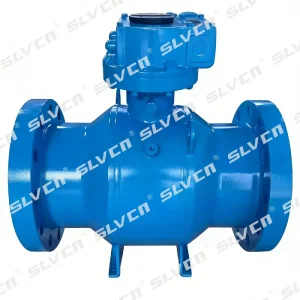
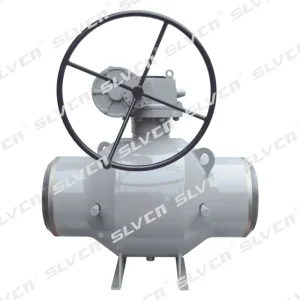
Precision Engineering, Global Supply Chain, and High-Integrity Flow Control Solutions
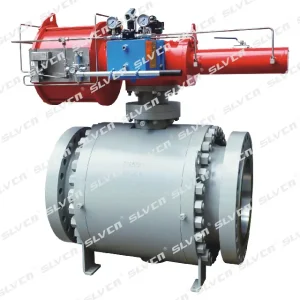
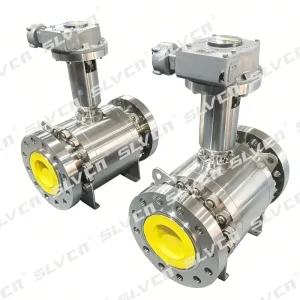
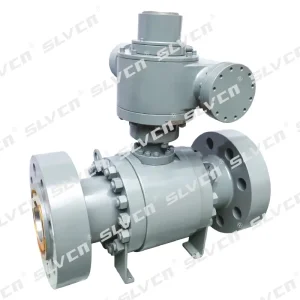
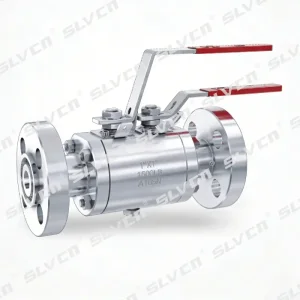
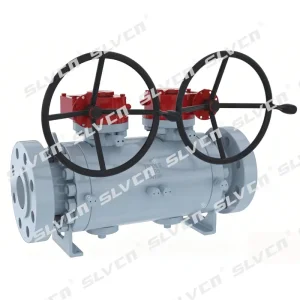
In the contemporary industrial sector, metal seated ball valves represent the backbone of safety and operational continuity. As a premier OEM Ball Valve Metal Supplier & Factory, we observe that the global market is shifting toward "Zero-Leakage" requirements. Industries such as LNG, Oil & Gas, and Green Hydrogen production demand materials that not only withstand high pressure (Class 900-2500+) but also resist severe thermal fluctuations.
📈The transition toward digitalization is reshaping valve manufacturing. We are seeing a surge in demand for smart valves integrated with IoT sensors for predictive maintenance. Our manufacturing roadmap focuses on:
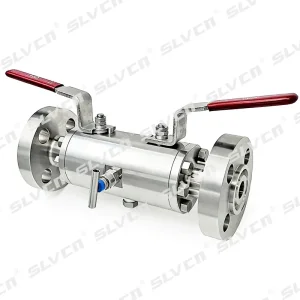
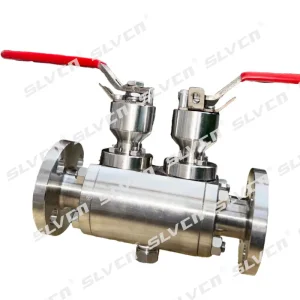
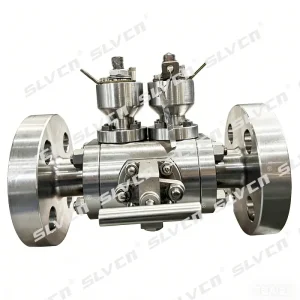
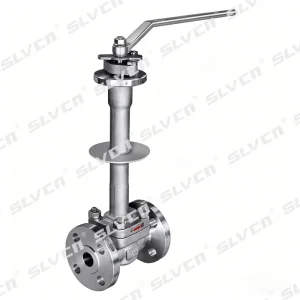
As a seasoned supplier, our E-E-A-T (Experience, Expertise, Authoritativeness, Trustworthiness) is built on decades of field performance. We do not just manufacture valves; we engineer solutions. Whether it's a Double Block and Bleed (DBB) configuration or a cryogenic application, every unit undergoes rigorous hydrostatic and pneumatic testing to meet global standards (API 6D, ASME B16.34).
Metal seats offer superior durability and fire-safe capabilities. Soft seals (PTFE/PEEK) degrade above 250°C, whereas metal seats retain mechanical integrity up to 550°C+.
DBB allows for the isolation of both upstream and downstream sides with an internal bleed, ensuring safe maintenance without depressurizing the entire pipeline system.
We work directly with your engineering teams to provide CAD modeling, custom material certification (MTR), and actuator mounting plate configurations tailored to your specific project needs.
 Shoulong Valve