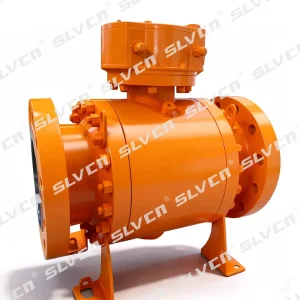
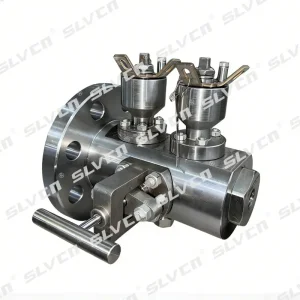
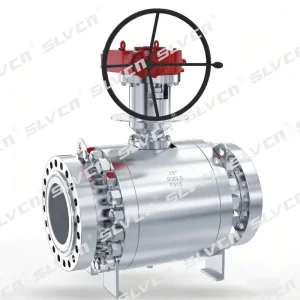
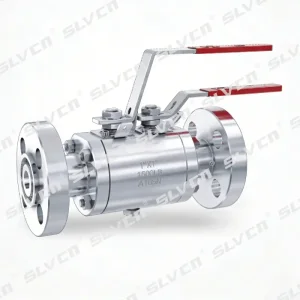
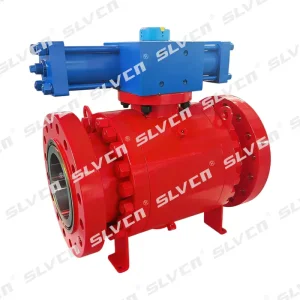
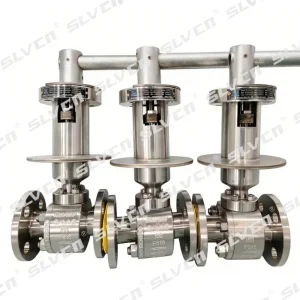
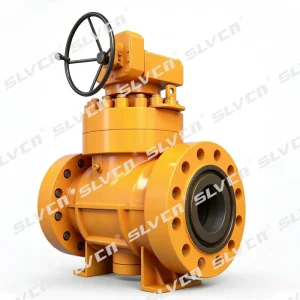
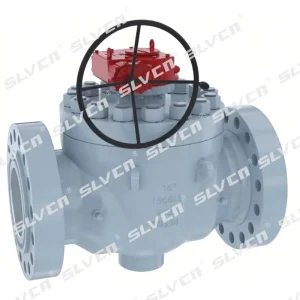
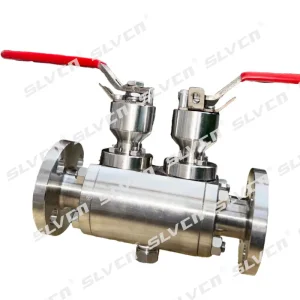
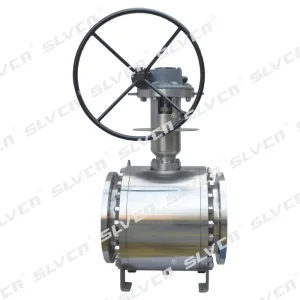
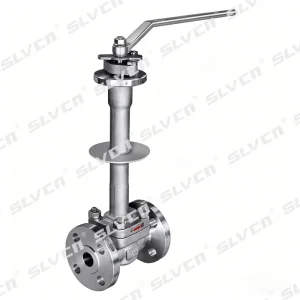
In the high-stakes world of industrial fluid control, the Double Block and Bleed (DBB) ball valve represents the pinnacle of safety and efficiency. As global industries move toward more rigorous environmental and safety standards (such as API 6D and ISO 15848-1), the demand for high-integrity isolation has never been higher. A DBB valve replaces a traditional two-valve system with a single unit, significantly reducing the footprint, potential leak paths, and installation costs while providing a verifiable "zero-leakage" seal.
Leading Block and Bleed ball valve manufacturers are now integrating AI-driven design optimizations and advanced forging techniques to meet the challenges of ultra-high pressure (up to Class 2500) and extreme temperatures (-196°C to +550°C). This white paper explores the technical nuances, market trends, and industrial roadmaps that define the next generation of valve technology.
The global industrial valve market is undergoing a transition. While North America and Europe focus on infrastructure replacement and hydrogen readiness, the Asia-Pacific and Middle East regions are driving growth through massive LNG terminals and desalination projects. China-based DBB ball valve factories have shifted from simple manufacturing to high-end R&D, competing directly with European heritage brands in precision and reliability.
Decarbonization is the dominant trend. Valves are now being engineered for "Hydrogen Service" – requiring specialized sealing materials to prevent the escape of the smallest molecule. Additionally, "Digital Twin" technology is being integrated into the manufacturing process, allowing project owners to simulate valve performance under variable flow conditions before the first cut of steel is made.
The roadmap for the next decade includes Additive Manufacturing (3D Printing) for specialized internal components and the widespread adoption of Hard-Facing Metal Seating (Tungsten Carbide/Chrome Carbide) to handle abrasive media. Automation is also moving from simple pneumatic actuators to intelligent, IoT-enabled electric actuators that predict maintenance needs before failure occurs.
The reliability of a Block and Bleed ball valve starts at the molecular level. Forged materials like ASTM A105N, F316L, and F51 Duplex Stainless Steel are preferred over casting because forging eliminates internal voids and provides a superior grain structure, which is critical for high-pressure containment. In the Middle East’s harsh offshore environments, NACE MR0175/ISO 15156 compliance is mandatory to prevent Stress Corrosion Cracking (SCC) in sour gas service.
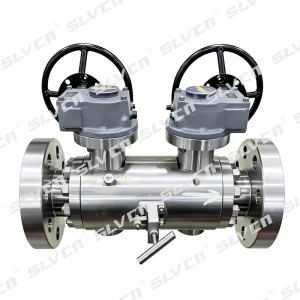
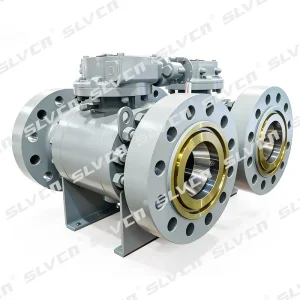
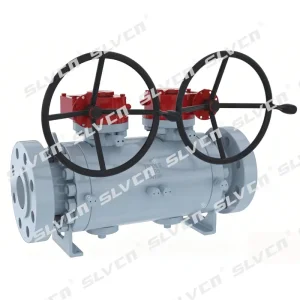
While soft-seated valves (using PTFE, PEEK, or Devlon) offer excellent zero-leakage performance at lower temperatures, Metal-to-Metal Seated DBB valves are the standard for "Severe Service." Our factory employs high-velocity oxygen fuel (HVOF) spraying to coat the ball and seats, ensuring that even under high-cycle operations in abrasive slurries, the seal remains tight. The "Double Block and Bleed" functionality provides two independent sealing surfaces that, when closed, allow the cavity to be vented (bled), proving that no leakage past the seats is occurring.
For LNG applications, valves must perform at temperatures as low as -196°C. This requires an extended stem design to keep the packing area away from the cryogenic liquid, ensuring the stem remains functional. Conversely, for power generation or steam service, high-temperature thermal expansion must be managed through compensated seat designs that prevent "locking" of the ball.
Valves ensure pipeline isolation and safe operation across upstream, midstream, and downstream systems, even under high-pressure conditions.
Valves maintain reliable sealing and stable operation in corrosive media and fluctuating temperatures.
Valves deliver proven low-temperature performance, tight sealing, and safe pressure management for cryogenic systems.
Valves control steam and process flows in high-pressure, high-temperature environments for critical units.
Valves provide reliable isolation and flow control in continuous, high-pressure industrial operations.
Valves offer excellent sealing integrity and safety design to prevent leakage under high-pressure conditions.
With over 30 years of expertise in forging high-performance ball valves, we provide reliable, project-ready solutions. Our valves are rigorously engineered, tested, and certified to meet the strictest international standards, ensuring zero-leakage and dependable performance in harsh operating environments. Trusted by projects across Europe, the Middle East, and worldwide.
Modern engineering projects no longer buy "just a valve." They require integrated solutions. Our Double Block and Bleed valve manufacturing process includes full automation integration. Whether it is a SIL 3 rated Emergency Shutdown Valve (ESV) or a high-frequency switching valve for a pressure swing adsorption (PSA) unit, we provide the complete assembly: valve, actuator, solenoid, and positioner.
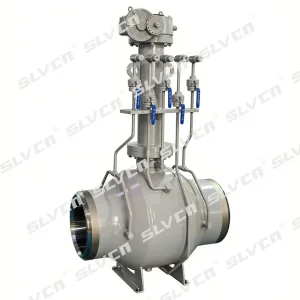
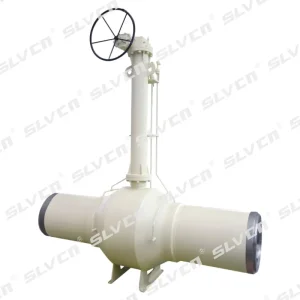
One notable solution is our Buried Underground Fully Welded DBB Valve. For natural gas transmission lines, these valves eliminate the need for heavy concrete pits. The fully welded body prevents soil contamination and external leakage, while the extended stem allows for ground-level operation. This significantly reduces the Total Cost of Ownership (TCO) for pipeline operators.
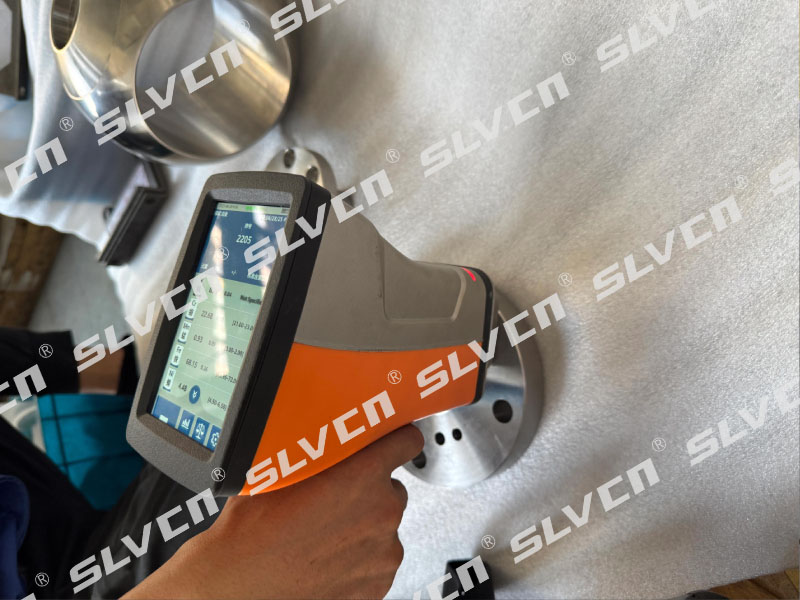
Quality and testing procedures are applied in accordance with API 6D and ASME standards.
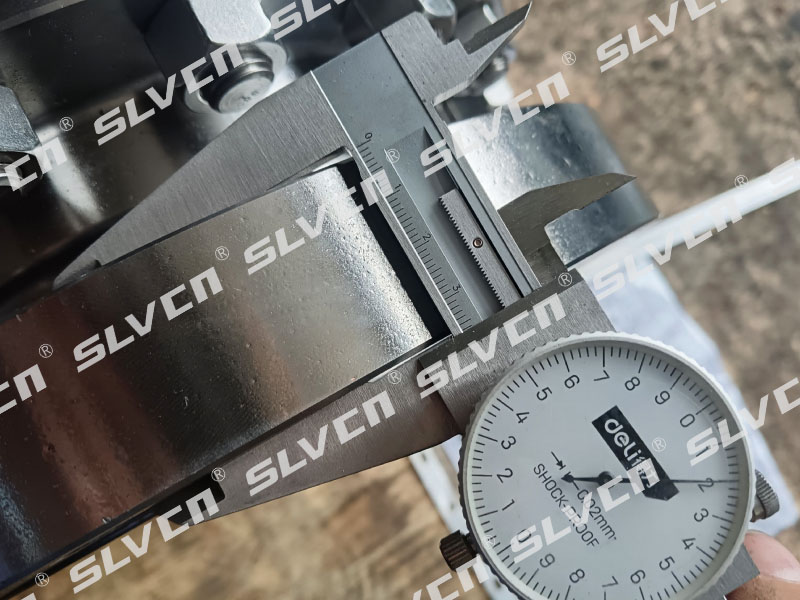
Tight tolerances are maintained using state-of-the-art CNC centers for perfect seat-to-ball alignment.
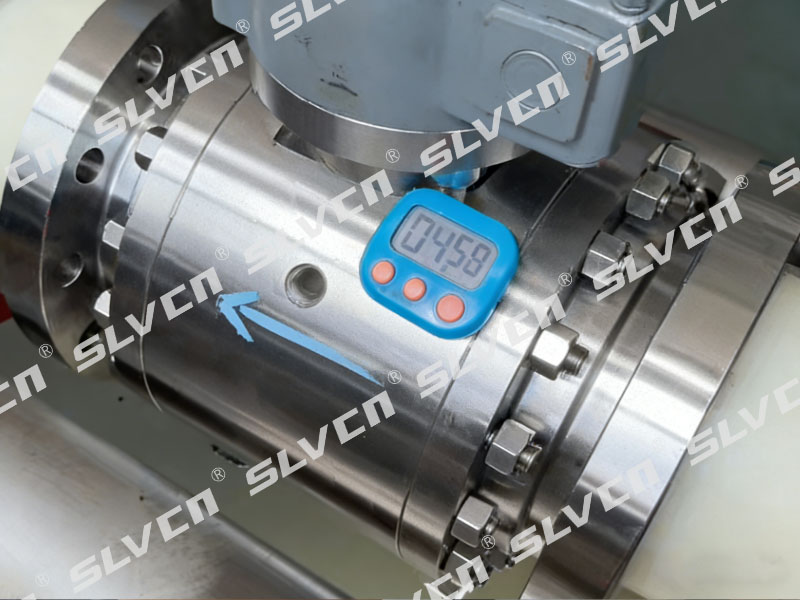
Every valve undergoes hydrostatic and pneumatic testing before shipping to ensure field reliability.
The next 5-10 years will redefine the role of Block and Bleed ball valve factories. We are moving away from being mechanical part suppliers toward becoming "Isolation Service Providers." With the rise of IoT, valves will soon be equipped with acoustic sensors that can detect the molecular sound of a leak long before it shows up on a pressure gauge. This "Silent Leak Detection" will prevent environmental disasters and save companies millions in lost product.
As we look toward 2030, the integration of high-performance materials, smarter automation, and a relentless focus on safety will ensure that the Double Block and Bleed valve remains the heart of the global energy infrastructure. Choosing the right manufacturer is not just a procurement decision; it is a commitment to operational excellence and environmental stewardship.
 Shoulong Valve