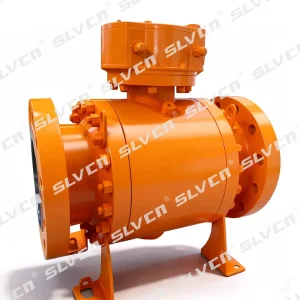
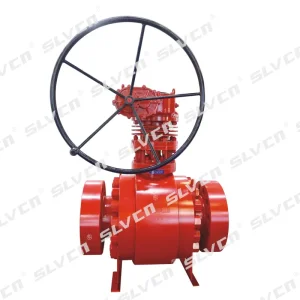
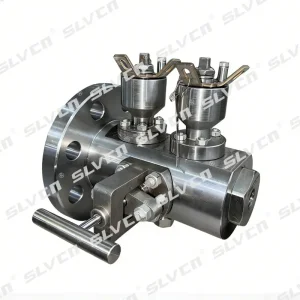
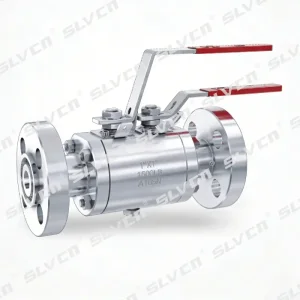
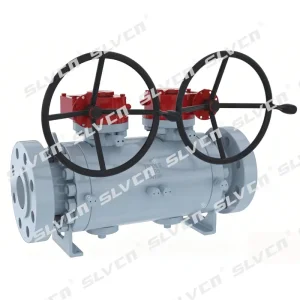
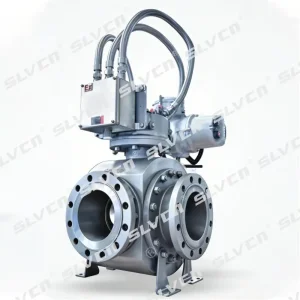
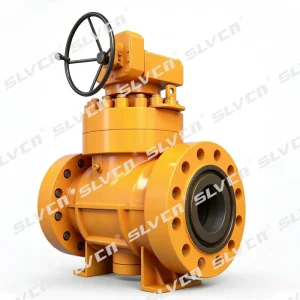
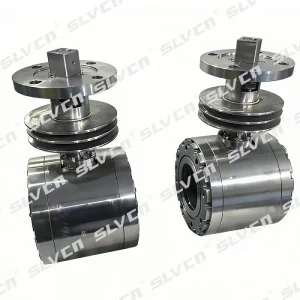
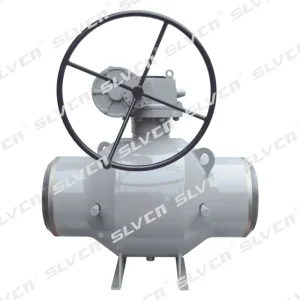
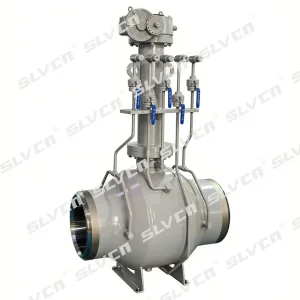
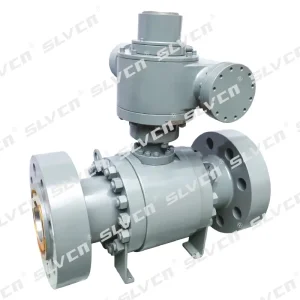
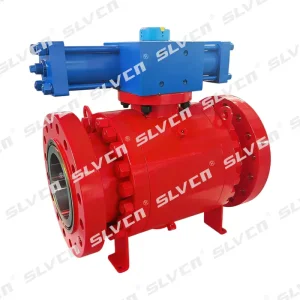
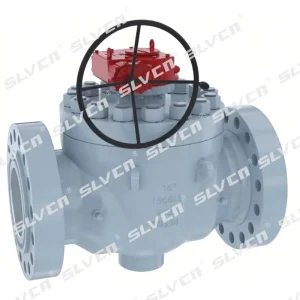
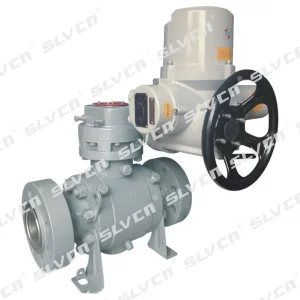
In the complex ecosystem of industrial flow control, the Class 150 Ball Valve stands as a fundamental component. While often overshadowed by high-pressure variants, the Class 150 range—defined by its pressure-temperature ratings under ASME B16.34—is critical for low-to-medium pressure applications in oil and gas, chemical processing, water treatment, and HVAC systems. As a specialized OEM manufacturer, we understand that "Class 150" implies more than just a pressure rating; it denotes a specific requirement for high flow capacity, operational longevity, and cost-efficiency.
Modern industrial procurement is shifting from purely transactional purchasing to value-based partnerships. Organizations are no longer looking for simple suppliers; they are seeking Total Cost of Ownership (TCO) optimization.
Class 150 Ball Valves serve as the workhorses of industrial fluid management. Our engineering team designs these units to perform seamlessly across diverse sectors:
Handling aggressive hydrocarbons with specialized seat materials like PEEK or Devlon for extended cycle life.
Providing corrosion-resistant, high-flow solutions for municipal and desalination plants where reliability is paramount.
Managing cooling water systems and utility pipelines with zero-leakage performance under standard operating pressures.
The valve industry is undergoing a digital and sustainable transformation. Our roadmap for Class 150 production integrates:
We are integrating IoT-enabled sensors directly into our valve actuators, allowing operators to monitor leakage, torque, and cycle count in real-time. This predictive maintenance approach reduces unplanned downtime significantly.
Our commitment to green manufacturing involves optimizing casting processes to reduce energy consumption and implementing VOC-free coatings for environmental protection.
Operating in international markets requires rigorous compliance. We offer:
A: Class 150 is the lowest pressure class rating in the ASME/ANSI B16.5 standard. Its pressure limit depends on temperature. At ambient temperatures, it is typically rated for approximately 285 psi (19.6 bar). As temperature increases, the pressure rating decreases significantly.
A: Forged valves offer superior structural integrity and are free from casting defects like porosity or blowholes. For critical services, even in Class 150 ratings, forging ensures a higher safety factor.
A: Yes. We provide various end-connections including Flanged (RF, RTJ), NPT/BSP (threaded), and Welded (BW, SW) to suit specific site requirements and international standards.
 Shoulong Valve