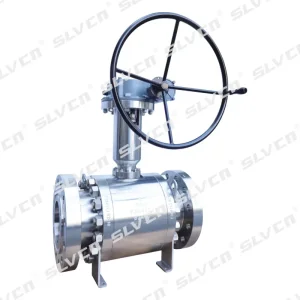
Global Trends in Class 900 Ball Valve Engineering
In the contemporary landscape of oil and gas, petrochemical, and power generation, the demand for Class 900 ball valves has shifted from basic commodity procurement to high-performance, critical-service asset management. As industries push towards higher pressures and more volatile media (such as hydrogen and sour gas), the "Class 900" rating represents a critical threshold where material integrity and seal technology become the primary drivers of site safety.
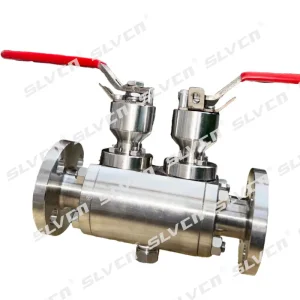
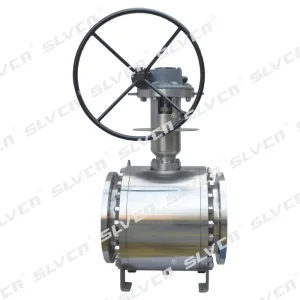
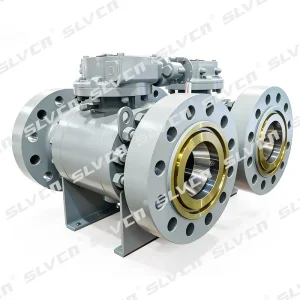
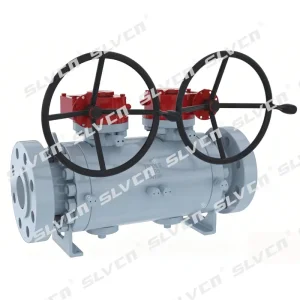
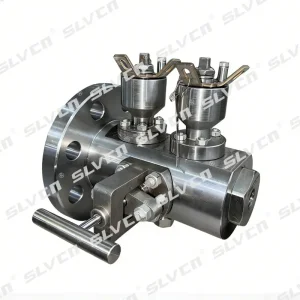
Current market trends indicate a move toward Double Block and Bleed (DBB) configurations as a standard safety protocol. EPC contractors and asset owners are increasingly specifying valves that integrate primary and secondary sealing systems to mitigate the risk of fugitive emissions—a key metric in ESG (Environmental, Social, and Governance) compliance. Our engineering focus has pivoted to meet these demands by implementing advanced metallurgy and computer-aided precision manufacturing to ensure zero-leakage performance under extreme temperature fluctuations.
China Factory 4.0: Supply Chain Resilience & Efficiency
The "China Factory 4.0" initiative has transformed the valve manufacturing landscape. Gone are the days when sourcing from China was strictly about price parity; today, it is about Supply Chain Resilience and Technical Maturity. Our manufacturing facilities integrate IoT-enabled production lines and automated hydrostatic testing systems that provide real-time data on every valve produced.
By leveraging advanced ERP systems and rigorous ISO 9001/API 6D quality management frameworks, we bridge the gap between "made in China" and "engineered for the world." We offer clients a transparent traceability process, where each component—from the forging body to the stem coating—is documented. This level of transparency is essential for multinational projects in Europe, the Middle East, and North America, ensuring that your procurement team receives components that meet stringent international certification standards without the lead-time volatility seen in traditional western manufacturing hubs.
Localized Application Scenarios
Class 900 valves are not "one size fits all." Our engineering team assesses the specific application environment to suggest the correct material grade and coating.
- Upstream Oil & Gas: Resisting hydrogen-induced cracking (HIC) and sulfide stress cracking (SSC) in sour service environments.
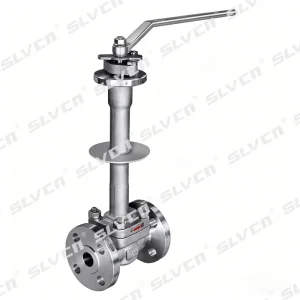
- LNG & Cryogenic Processing: Ensuring stem extension and specialized seat materials maintain integrity at temperatures down to -196℃.
- Refinery & Petrochemical: Utilizing metal-to-metal seating for abrasive, high-temperature catalytic processes.
- Hydrogen Energy Infrastructure: Implementing reinforced sealing technologies to prevent gas permeability in the next generation of energy transport.
Frequently Asked Questions (FAQ)
1. Why choose a Trunnion Mounted design for Class 900 applications?
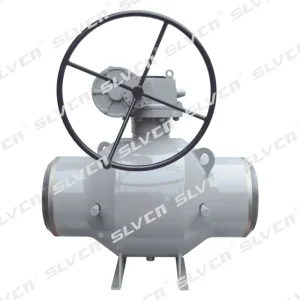
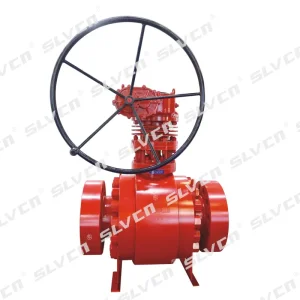
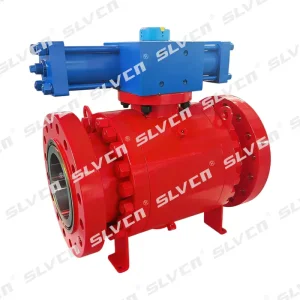
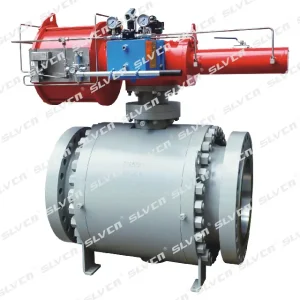
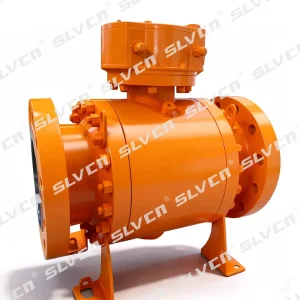
At Class 900 and above, the mechanical load on the ball is significant. Trunnion mounting secures the ball at the top and bottom, reducing torque and preventing the ball from being pushed against the downstream seat, which minimizes wear and ensures long-term operational reliability.
2. How do you ensure your products meet international safety standards?
Our quality assurance protocol includes 100% material inspection, hydrostatic/pneumatic shell and seat testing per API 598 or API 6D, and third-party inspections from entities like SGS, BV, or TUV upon client request.
3. What is the lead time for custom Class 900 Ball Valves?
While standard sizes are often in stock, custom engineered valves generally require 6-10 weeks. Our "China 4.0" agile manufacturing allows us to prioritize urgent procurement needs without sacrificing quality control.
 Shoulong Valve