 Shoulong Valve
1 / 1
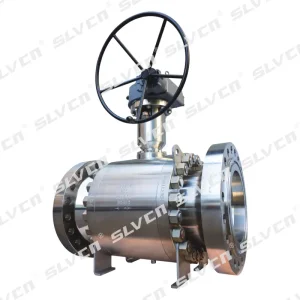
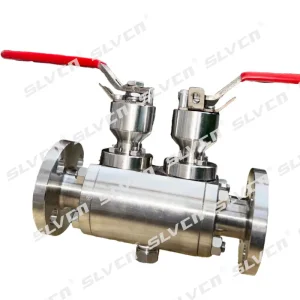
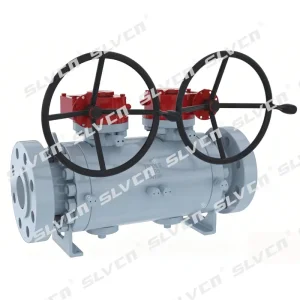
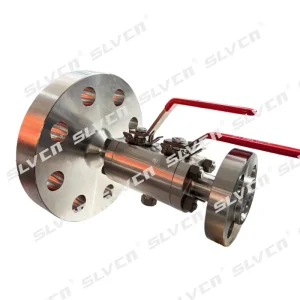
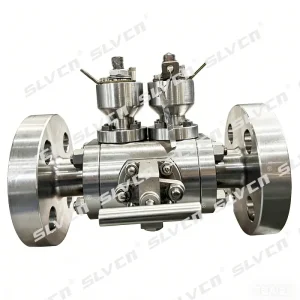
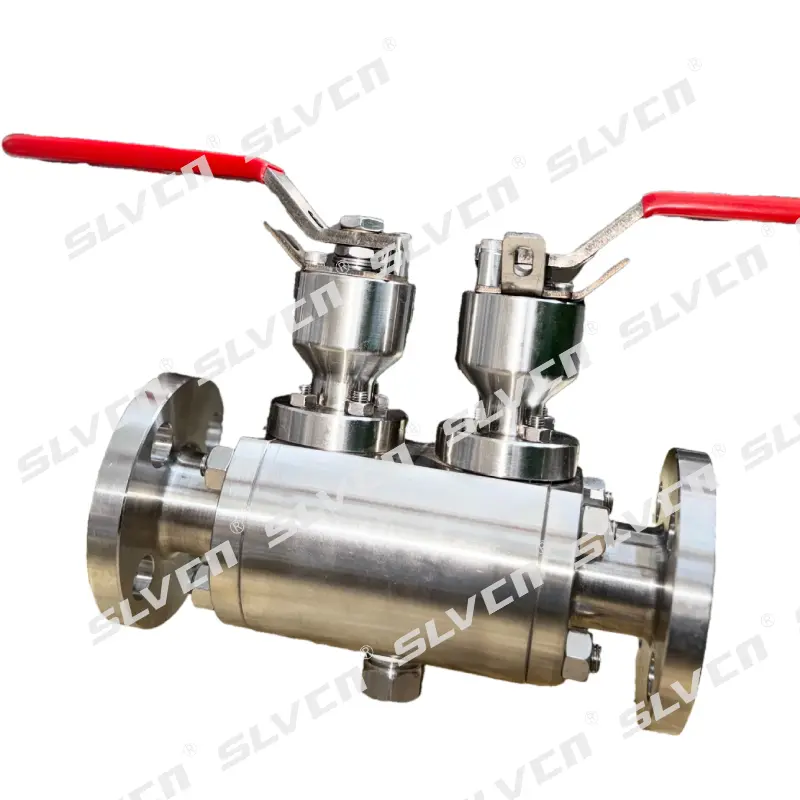
Double block & bleed with central bleed port ensures maximum isolation, safe pressure release, and leakage detection for flammable, toxic, or high-purity media.
Mechanically supported balls reduce seal wear, lower operating torque, and provide stable, reliable performance under high differential pressure.
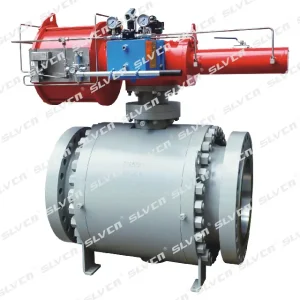
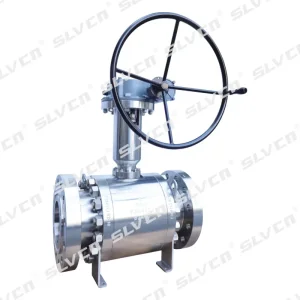
Dual manual handles standard; compatible with pneumatic or electric actuators for automated or on-off control.
Soft seats (PTFE / PCTFE / PEEK / Devlon V) or metal seats available for different temperature, pressure, and media requirements.
Maintains consistent sealing even under low-pressure or fluctuating conditions.
Designed per industry fire-safe and anti-static guidelines for enhanced operational safety.
DBB refers to a valve configuration that uses two seating surfaces to block media flow from both sides while providing a central bleed port between them. This allows operators to safely release trapped pressure, verify isolation integrity, and detect leakage without dismantling the pipeline.
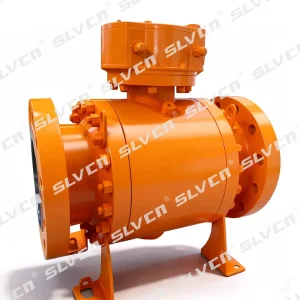
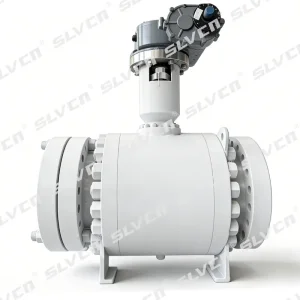
In a trunnion-mounted design, the ball is mechanically anchored at the top and bottom, preventing shifting under pressure. This reduces seal wear, lowers operating torque, and ensures consistent performance under high differential pressure compared to floating designs.
For high-temperature applications, PEEK or metal seats are recommended due to their thermal stability. PCTFE is ideal for cryogenic environments, while PTFE offers excellent general chemical resistance. Metal seats are best for abrasive or extreme pressure media.
Yes. The valve features a standard ISO 5211 top flange mounting pad, making it easy to retrofit pneumatic or electric actuators in the field without replacing the valve body.
Spring-loaded seats apply a constant mechanical pre-load force independent of line pressure. This ensures a tight, reliable seal even during system startup, shutdown, or low-pressure fluctuations where conventional seats might leak.
Fire-safe designs are engineered in compliance with standards like API 607 or ISO 10497. Anti-static provisions typically comply with API 608 or BS 5351, ensuring static electricity is safely discharged through the valve body.