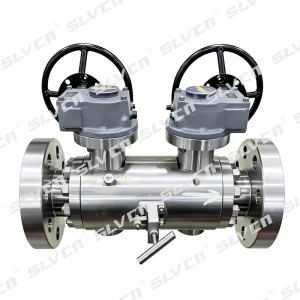
As industrial automation shifts toward Industry 4.0, Double Block and Bleed (DBB) valves are evolving from simple isolation devices to intelligent, predictive components. Our technology roadmap integrates IIoT (Industrial Internet of Things) sensors directly into the valve stem to monitor sealing performance and leakage in real-time. By leveraging predictive analytics, our future-ready DBB valves enable operators to move from reactive maintenance to prescriptive maintenance, drastically reducing unplanned downtime in oil, gas, and hydrogen transmission sectors.
We redefine the "Made in China" narrative. Our factory floors utilize advanced CNC machining, robotic welding, and automated pressure testing benches. This digital transformation ensures batch-to-batch consistency that rivals international giants. By controlling the entire value chain—from forging to final assembly—we ensure supply chain resilience, mitigating the risks of global geopolitical disruptions and providing our partners with lead-time stability that is unmatched in the current market.
Sourcing high-integrity valves requires more than just a purchase order; it requires technical verification. Our commitment to global standards—including API 6D, ASME B16.34, and ISO 9001—ensures that every valve we export is "project-ready" for demanding environments in Europe, the Middle East, and North America. We provide comprehensive documentation packages, including Material Test Reports (MTRs) and non-destructive testing (NDT) results, ensuring our clients meet local regulatory requirements effortlessly.
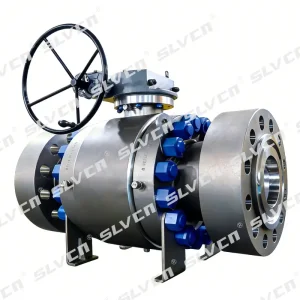
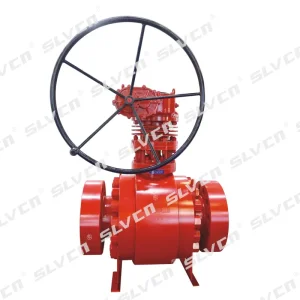
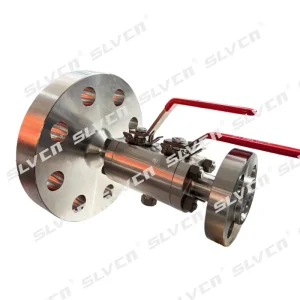
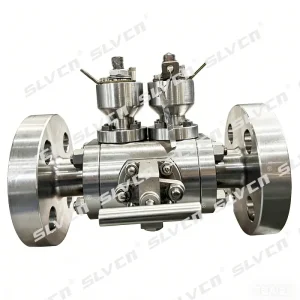
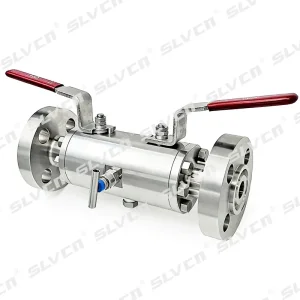
A DBB valve provides two sealing surfaces in a single body, with a bleed port between them. This allows for the safe venting of trapped pressure between seals, providing an absolute assurance against downstream leakage, critical for maintenance and safety in high-pressure pipelines.
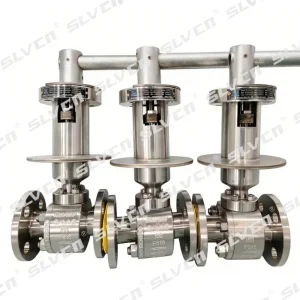
We utilize specialized materials (e.g., F316L) and precise engineering to handle thermal contraction. Our cryogenic valves are tested at extreme temperatures (down to -196°C) to verify seat integrity and stem sealing performance, ensuring zero leakage even in LNG service.
 Shoulong Valve