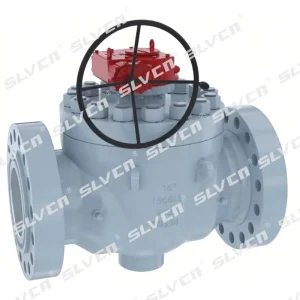
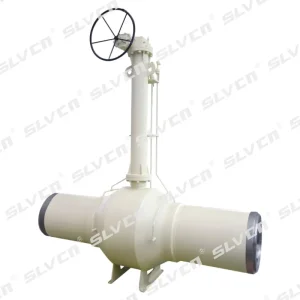
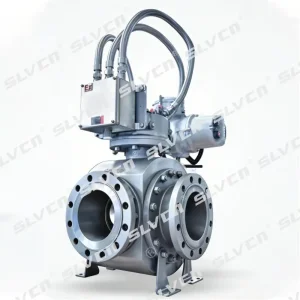
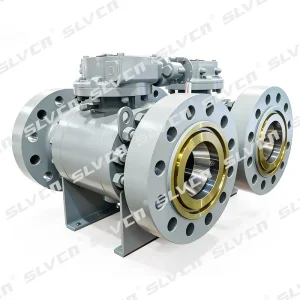
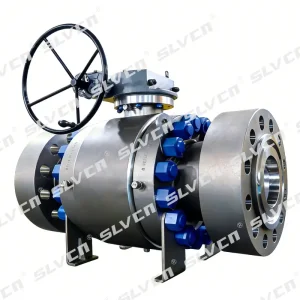
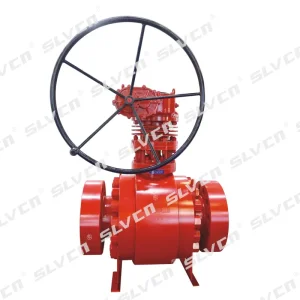
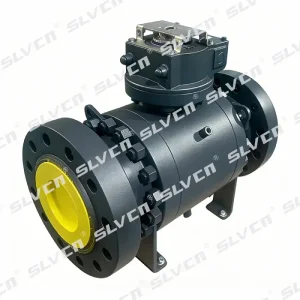
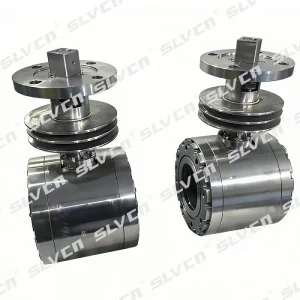
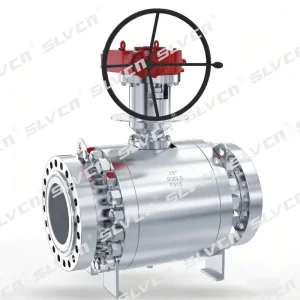
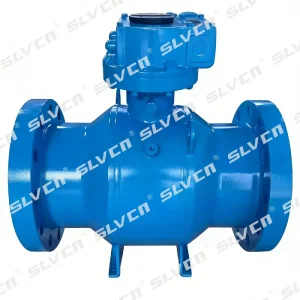
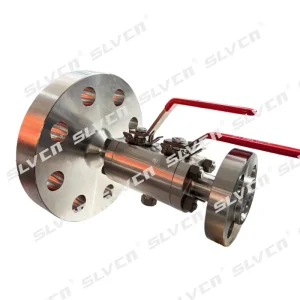
In the hierarchy of industrial piping components, the forged valve body represents the pinnacle of structural integrity. Unlike cast alternatives, which may suffer from internal porosity or inconsistent grain structure, forged valve bodies are subjected to extreme compressive forces. This process aligns the metal's grain flow with the contour of the part, resulting in superior mechanical properties, improved fatigue resistance, and enhanced pressure-boundary integrity. For factories and suppliers targeting the high-pressure sectors—such as oil, gas, and petrochemicals—utilizing forged materials is not merely a choice; it is a critical safety imperative.
The global market for forged valve bodies is currently defined by the transition toward high-integrity, zero-leakage systems. As projects in the LNG, hydrogen energy, and subsea sectors expand, the demand for valves capable of operating under extreme temperatures (-196°C to 550°C) is unprecedented. Modern factories must now bridge the gap between traditional mechanical engineering and digitalized quality control. The ability to guarantee material traceability (from melt to final inspection) is now the standard requirement for Tier-1 suppliers.
Operating a high-quality forged valve factory in the modern era requires strict adherence to international regulatory frameworks. Clients in Europe, the Middle East, and North America demand more than just a product; they require certification packages that include:
The future of valve manufacturing lies in the integration of "Smart Valve" technologies. Factories are moving toward the integration of IoT sensors within the valve body itself, allowing for real-time monitoring of leakage, pressure drops, and cycle counts. Furthermore, the push for green hydrogen infrastructure necessitates specialized forged materials resistant to hydrogen embrittlement. Leading manufacturers are investing heavily in metallurgy research to develop proprietary alloys that extend the service life of valves in aggressive, high-pressure environments.
Why do industry leaders choose specific factories? It comes down to Information Gain. A transparent factory provides detailed documentation on:
1. Ultrasonic Testing (UT) & Radiographic Testing (RT) results for every forging batch.
2. Heat Treatment Cycles: Detailed logs to ensure optimal hardness and impact toughness.
3. Coating Technology: Application of advanced HVOF or Tungsten Carbide coatings for metal-to-metal seating surfaces.
Forging improves the grain structure of the metal, resulting in higher impact strength, improved fatigue life, and better pressure integrity, making it safer for critical service environments.
Oil & Gas, LNG, Power Generation, Chemical Processing, and the emerging Hydrogen energy sector all prioritize forged valves for their reliability in high-pressure and extreme-temperature conditions.
We source from certified mills, perform incoming PMI (Positive Material Identification), and conduct rigorous UT/RT testing on all pressure-retaining components.
Yes, we offer full-cycle OEM/ODM services, including design optimization, material selection advice, and custom automation mounting kits.
 Shoulong Valve