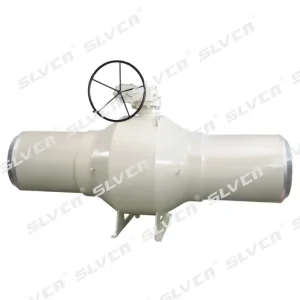
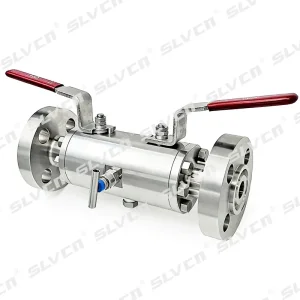
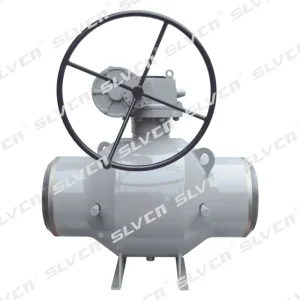
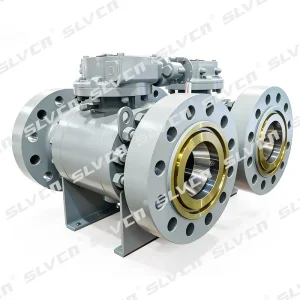
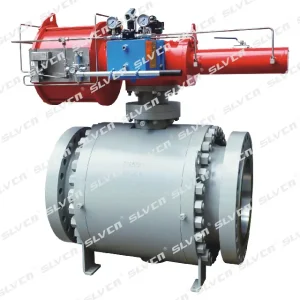
Customizable high-performance trunnion, fully welded, and high-pressure double block and bleed valves.
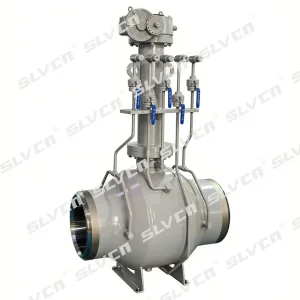
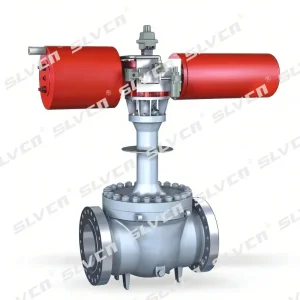
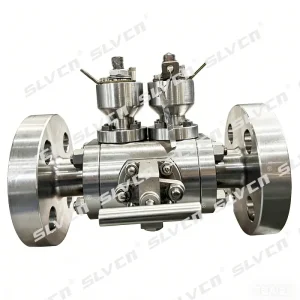
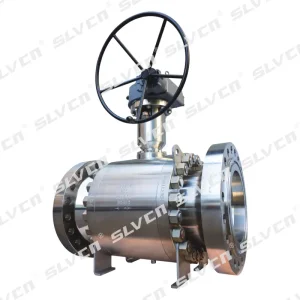
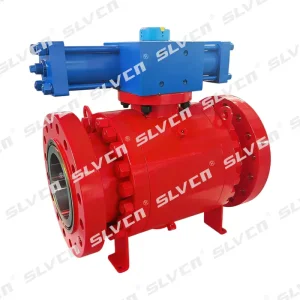
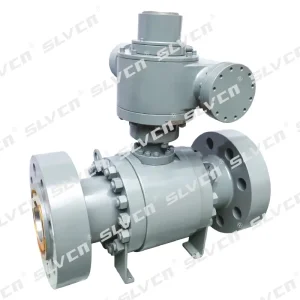
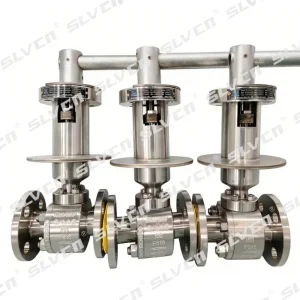
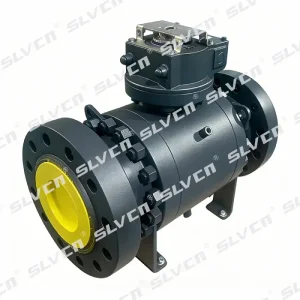
In the modern era of fluid dynamics and process safety management, Hexagonal Valves—often manufactured as compact needle, ball, or manifold configurations from hexagonal bar stock—play a critical role in high-pressure isolation. These valves are highly utilized in instrumentation panels, chemical processing, offshore oil and gas facilities, and hydrogen fueling networks. The global demand is driven by the structural requirement to minimize leak paths and achieve space-saving, low-maintenance operations in hazardous zones.
As process environments scale in complexity, particularly with the rise of supercritical carbon dioxide transport and industrial scale hydrogen containment, traditional valve architectures fail to provide the structural integrity required under high-frequency thermal cycling. Solid-body hexagonal designs address this constraint by integrating bleed, block, and calibration ports directly into a single piece of machined steel, eliminating welded joints that are historically prone to stress corrosion cracking (SCC) and embrittlement.
“Regulatory shifts toward zero-fugitive emission benchmarks, notably EPA Method 21 and European TA-Luft certifications, have pushed processing industries to adopt integrated hexagonal block & bleed systems.”
The production of industrial grade hexagonal valves requires advanced metallurgy, precision multi-axis CNC profiling, and micro-honing capability. Europe, North America, and high-tier APAC manufacturing clusters represent the principal nodes of production. Driven by localization mandates, procurement teams are actively looking to develop secondary OEM relationships to offset risk.
As safety criteria align globally under standards such as API 6D, API 607 (Fire-Safe), and ASME B16.34, manufacturing plants are standardizing test environments. Our focus as an OEM partner is addressing the supply gap for bespoke alloy constructions (Inconel 625, Hastelloy C276, and Super Duplex) that undergo stringent cryogenic testing down to -196°C. This allows our infrastructure partners to minimize operating expenditures and mitigate sudden structural outages.
A technical examination of material durability and mechanical integrity in severe process operations.
Traditional sand-cast valve bodies often contain micro-porosity and inclusions, which represent potential failure points when subjected to extreme high-pressure services (Class 1500 and Class 2500). Machining valves from cold-drawn hexagonal bar stock guarantees a uniform grain structure, higher tensile strength, and superior fatigue resistance.
By designing from a hexagonal profile, designers gain direct structural flats that streamline mechanical wrenching during field installation, while ensuring optimized material utilization during precision milling. This leads to a weight reduction of up to 40% when compared to multi-part, flanged bolted configurations, facilitating deployment in weight-critical offshore top-side structures.
Sour service applications containing hydrogen sulfide (H2S) require compliance with NACE MR0175/ISO 15156. Standard austenitic stainless steel (ASTM A182 F316/F316L) is treated with controlled carbon limits to prevent sensitization during heat treatment. For high-chloride marine environments, Duplex (UNS S31803) and Super Duplex (UNS S32750) provide critical pitting resistance equivalent numbers (PREN > 40), ensuring high protection against localized pitting and crevice corrosion.
For sealing systems, the selection shifts based on the operational medium. Severe service applications utilize metal-to-metal seating with Tungsten Carbide (TCC) or Chrome Carbide (CCC) HVOF (High-Velocity Oxygen Fuel) coatings. Soft-seated variants leverage PEEK, Kel-F, or Devlon V-TFE to achieve bubble-tight gas sealing under low-temperature cryogenic fluctuations.
Anticipating the technological demands of smart process automation and clean energy transitions.
Implementation of packing technologies meeting ISO 15848-1 Class A requirements, securing leak rates below 10-6 mg·s-1·m-1 to accommodate rigorous ESG and green energy criteria.
Integrating miniature acoustic emission sensors and digital strain gauges directly into the hexagonal valve body, enabling real-time integrity monitoring and predictive maintenance without operational downtime.
Development of specialized surface treatments and hydrogen-barrier coating layers to prevent high-pressure hydrogen embrittlement (HE) in H2 transport lines up to 700 bar.
Engineered for reliability across critical applications worldwide.
Valves ensure pipeline isolation and safe operation across upstream, midstream, and downstream systems, even under high-pressure conditions.
VIEW MOREValves maintain reliable sealing and stable operation in corrosive media and fluctuating temperatures.
VIEW MOREValves deliver proven low-temperature performance, tight sealing, and safe pressure management for cryogenic systems.
VIEW MOREValves control steam and process flows in high-pressure, high-temperature environments for critical units.
VIEW MOREValves provide reliable isolation and flow control in continuous, high-pressure industrial operations.
VIEW MOREValves offer excellent sealing integrity and safety design to prevent leakage under high-pressure conditions.
VIEW MOREWith over 30 years of expertise in forging high-performance ball and instrument isolation valves, SLVCN provides reliable, project-ready solutions for critical industrial applications. Our valves are rigorously engineered, tested, and certified to meet the strictest international standards, ensuring zero-leakage and dependable performance in harsh operating environments. Trusted by projects across Europe, the Middle East, and worldwide, we deliver the precision and reliability that demanding industrial systems require.

Quality and testing procedures are applied in accordance with applicable international standards, based on valve type and service conditions.
Our valves are engineered specifically for high-risk, high-pressure, high-temperature, and cryogenic applications - where failure is not an option.
Over 30 years supporting industrial projects worldwide, we understand real operating conditions, international approval processes, and on-site challenges.
Every valve is manufactured under controlled procedures aligned with international standards, ensuring minimal leakage, downtime, and operational risk.
Our valves are supplied to demanding markets across Europe, the Middle East, and global industrial sectors where quality, safety, and compliance are non-negotiable.
Detailed technical responses to critical process design questions regarding instrument isolation and safety valve configurations.
A hexagonal valve (or hex-body valve) is machined directly from solid hexagonal metal bar stock. The key advantage is its compact integration, which allows the incorporation of isolation, venting, and calibration channels within a single mechanical block. This design significantly decreases the space footprint and reduces structural joints, minimizing potential fugitive emission pathways.
A DBB valve system integrates two isolation valves (either ball, gate, or needle type) and one bleed valve into a unified assembly. This configuration enables upstream and downstream fluid isolation. By venting the central cavity via the bleed port, engineers can verify seal integrity before starting maintenance work on downstream equipment.
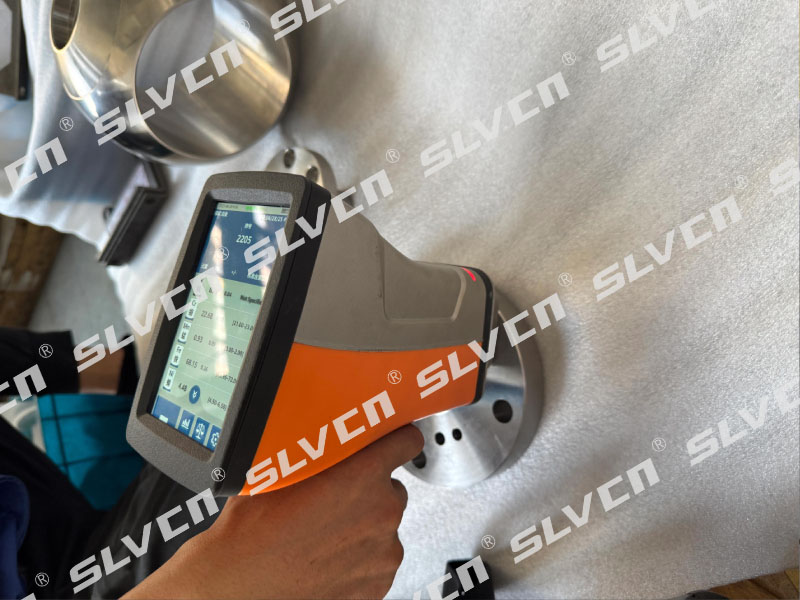
Offshore applications require materials that resist chloride stress corrosion cracking. While standard 316SS with high nickel content is frequently specified, advanced installations utilize Super Duplex stainless steel (PREN > 40) or Nickel alloys such as Inconel 625. These alloys must undergo Positive Material Identification (PMI) and comply with NACE MR0175/ISO 15156 guidelines for sour gas environments.
Fire-safe testing is typically certified in accordance with API 607 or API 6FA. These testing protocols expose the valve assembly to high temperature flames (750°C to 1000°C) for 30 minutes. Even if the primary soft seats decompose under extreme heat, the secondary metal seat must ensure zero external leakage to prevent fire propagation.
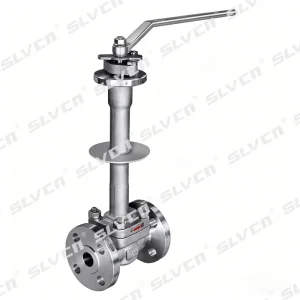
In cryogenic processing (down to -196°C), thermal contraction can compromise standard polymeric seals, leading to leakages. Cryogenic valves feature extended bonnets (conforming to BS 6364) to shield the stem packing from low temperatures, combined with spring-energized PTFE or PCTFE lip seals that maintain elastic recovery under extreme cold.
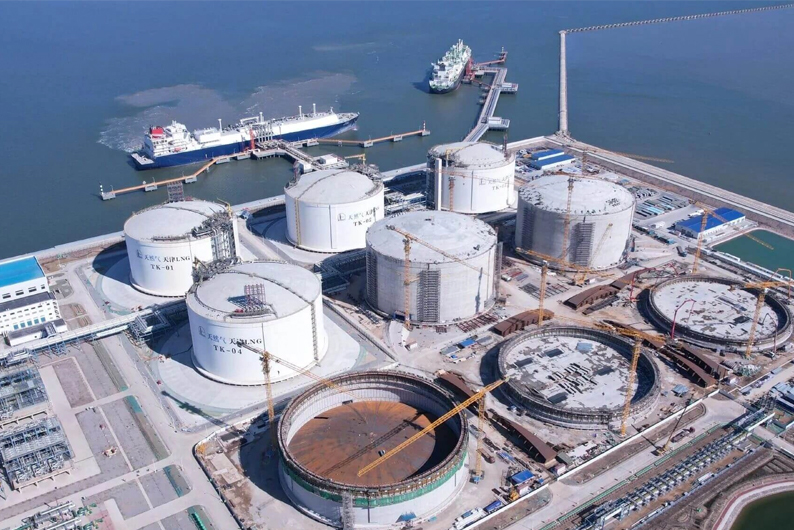
Real-world field performance proving our structural integrity across key industries.
Follow our technical developments, product launches, and industry event updates.
 2025-12-12
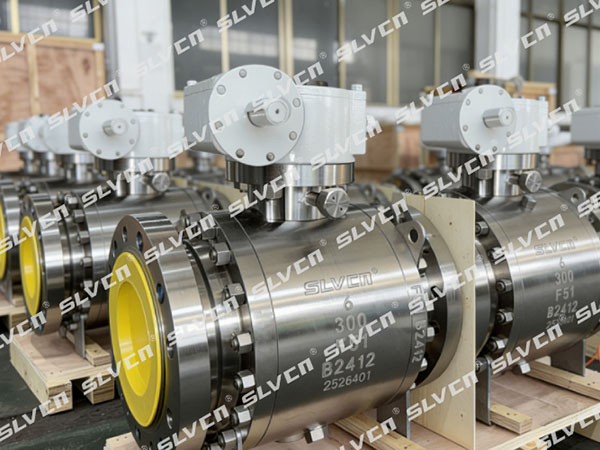
SLVCN is proud to announce the successful shipment of multiple 6" Class 300 RF forged trunnion-mounted ball valves...
READ MORE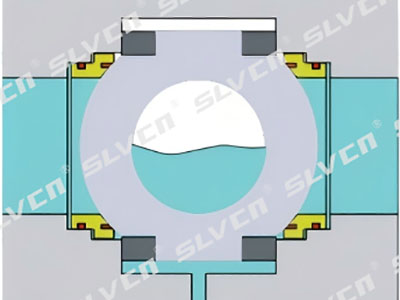 2025-12-11
In high-stakes industries where safety and reliability are paramount - such as oil and gas, chemical processing, po...
READ MORE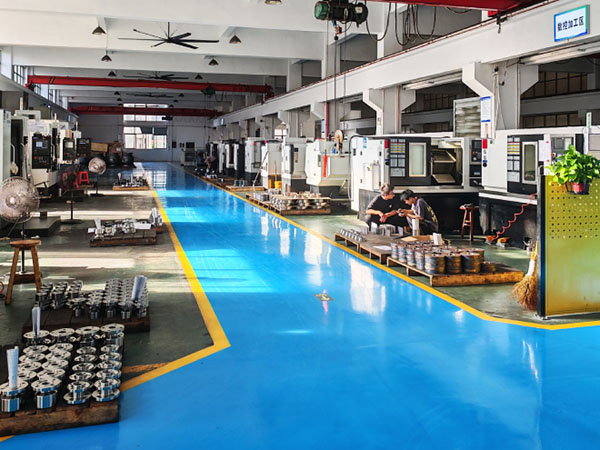 2025-12-11
With over 30 years of experience, SLVCN designs and manufactures high-performance industrial valves for demanding a...
READ MOREComplete project solutions featuring double block and bleed valves, cryogenic designs, and forged steel constructions.
 Shoulong Valve