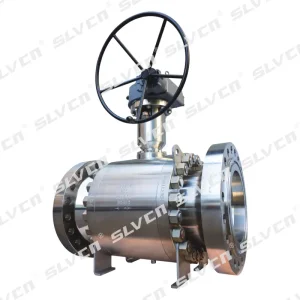
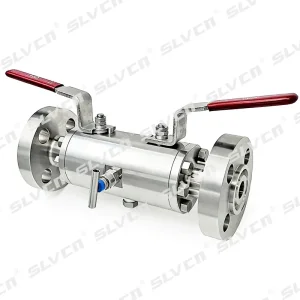
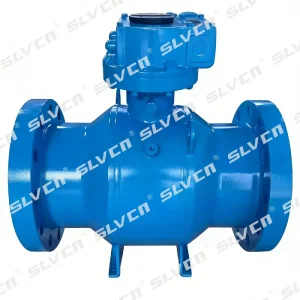
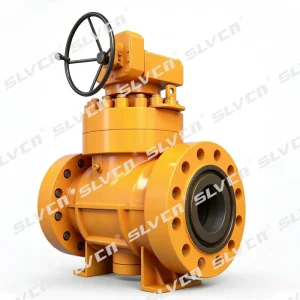
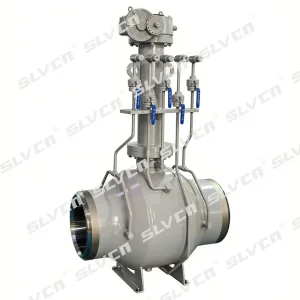
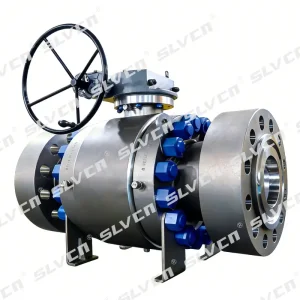
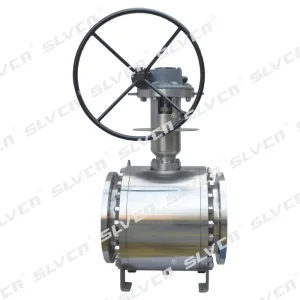
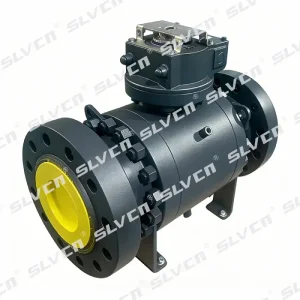
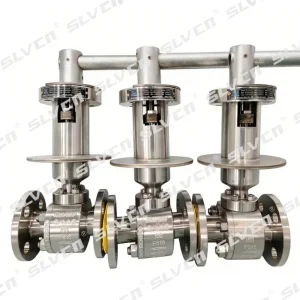
In the modern era of energy transition, the demand for High-Pressure Cryogenic Valves has surged. Unlike standard industrial valves, these components must maintain structural integrity at temperatures as low as -196°C (-320°F). Our engineering approach focuses on material thermal contraction coefficients, ensuring that seats and seals remain tight despite extreme cold. This is the cornerstone of safe LNG (Liquefied Natural Gas) and liquid hydrogen transport.
The transition to "Industry 4.0" in the Chinese manufacturing sector has redefined valve production. By integrating Digital Twin technology and automated precision CNC machining, we offer high-volume consistency that meets stringent international standards (API 6D, ISO 15848-1). Supply chain resilience is no longer just about lead times; it is about "Quality Control at the Source." Our OEM process utilizes real-time monitoring and strict adherence to E-E-A-T (Experience, Expertise, Authoritativeness, Trustworthiness) to ensure every valve leaving our factory is ready for critical service.
Global energy infrastructure is shifting toward decarbonization. As a premier supplier, we observe three critical procurement trends:
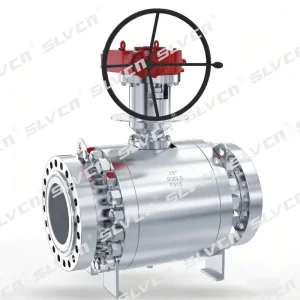
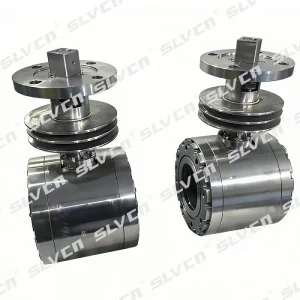
A: Trunnion mounting secures the ball at both the top and bottom, reducing torque and preventing the seat from excessive wear. In cryogenic service, this stability is crucial to maintaining a bubble-tight seal despite thermal contraction.
A: We strictly use austenitic stainless steels (such as CF8M or F316) for bodies and components, which retain toughness at low temperatures, avoiding the brittle fracture risks associated with carbon steel.
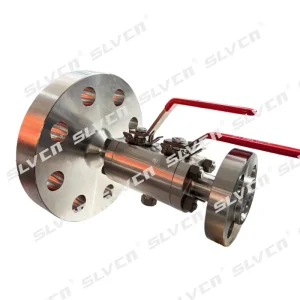
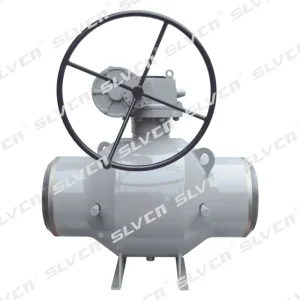
A: Yes, our R&D team provides full-cycle engineering services, including custom flange drilling, stem extensions for buried applications, and automated actuator mounting.
 Shoulong Valve