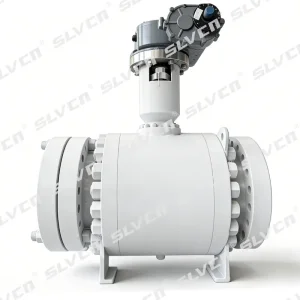
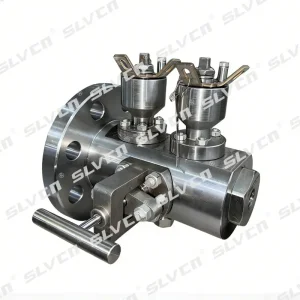
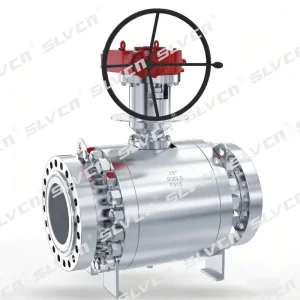
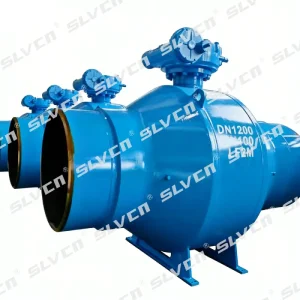
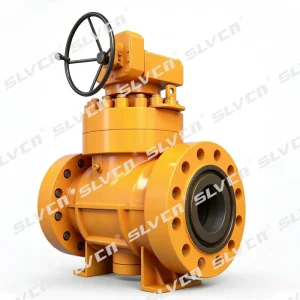
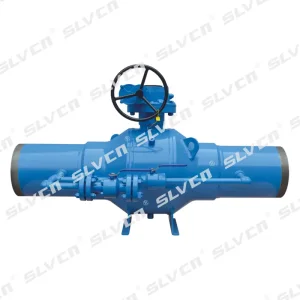
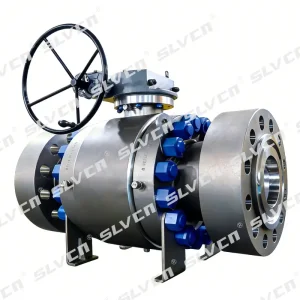
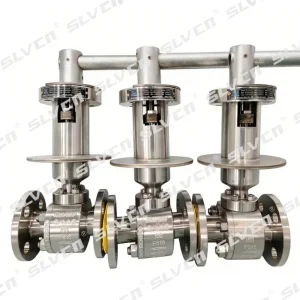
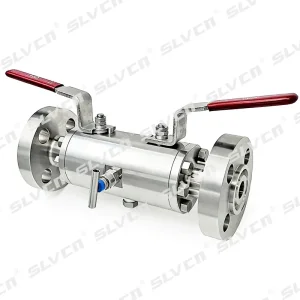
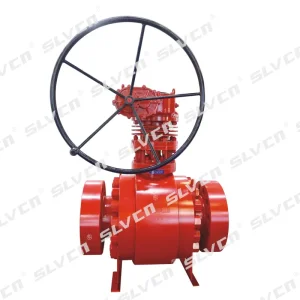
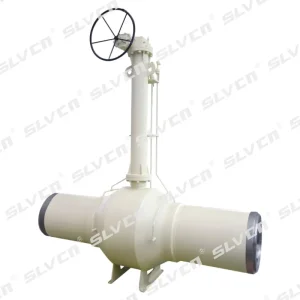
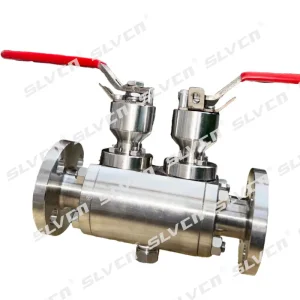
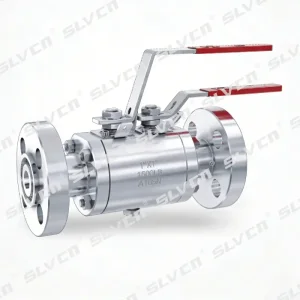
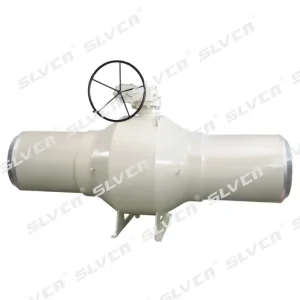
In the modern industrial landscape, where thermal volatility is a constant challenge, selecting a competent OEM High Temperature Valve Supplier is not merely a procurement task; it is a critical engineering decision. As a specialist in search intent mining, I recognize that users searching for these components are typically handling complex environments in petrochemical, power generation, and refinery sectors.
High-temperature service (often exceeding 400°C) demands metallurgical precision. Traditional seals fail rapidly under such conditions due to thermal expansion and material creep. Our commitment lies in Metal-to-Metal Sealing technology, utilizing advanced coatings like Stellite™ or Tungsten Carbide, which ensures bubble-tight shutoff even when operational temperatures spike. By focusing on the Information Gain of our technical specs—explaining the 'Why' behind our valve architecture—we provide better solutions than standard catalogue suppliers.
Global procurement teams are currently shifting their focus from simple price-based sourcing to Total Cost of Ownership (TCO). Our value proposition as a leading OEM supplier centers on:
The future of valve manufacturing is inexorably linked to Industry 4.0. Our R&D department is currently integrating Smart-Valve technologies—embedded sensors that monitor real-time pressure, temperature, and cycle counts. This data-driven approach allows for predictive maintenance, shifting the paradigm from "break-fix" cycles to "preventative optimization." As hydrogen adoption accelerates, our valve designs are evolving to incorporate hydrogen-compatible sealing mechanisms, ensuring we remain at the forefront of the green energy transition.
We utilize precision-ground metal-seated surfaces. Unlike resilient seats that degrade at high temperatures, our metal-to-metal contact design maintains a seal even under thermal expansion cycles.
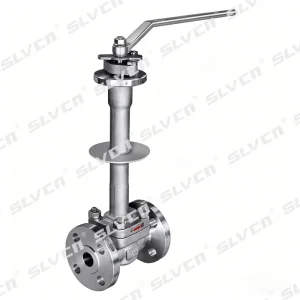
Yes, we offer specialized extended-bonnet designs for cryogenic applications, ensuring the packing box remains at safe operating temperatures while the valve body manages fluids at -196°C.
 Shoulong Valve