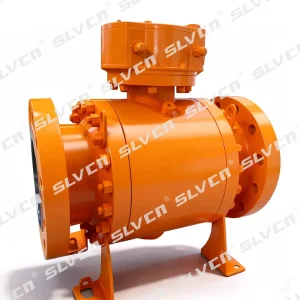
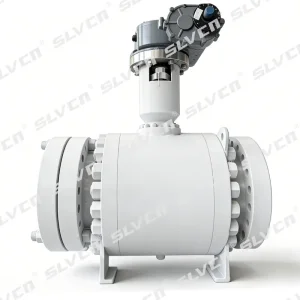
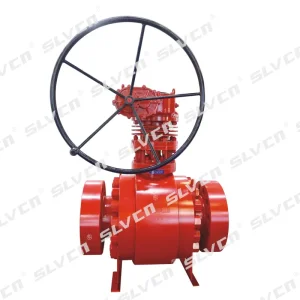
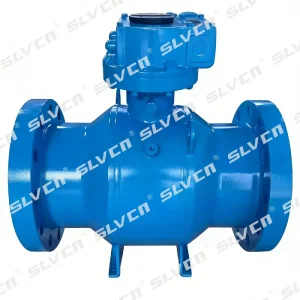
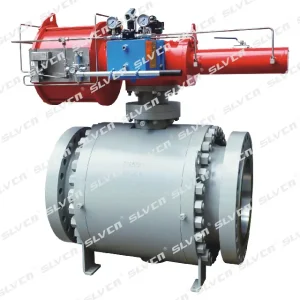
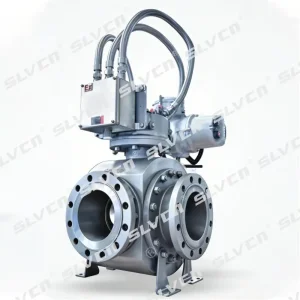
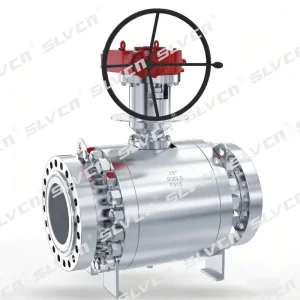
The global oil and gas valve market is experiencing a paradigm shift towards higher automation and material durability. As extraction moves into harsher environments—ranging from deep-sea drilling to extreme Arctic conditions—the demand for API 6D compliant trunnion-mounted ball valves has surged. Global enterprises are no longer just buying valves; they are procuring engineered safety solutions. The focus has moved from simple unit pricing to Life Cycle Cost (LCC) and total cost of ownership (TCO).
China has solidified its position as the premier manufacturing hub for oil ball valves. By leveraging advanced CNC machining, rigorous NDT (Non-Destructive Testing) protocols, and supply chain integration, Chinese factories provide unparalleled production efficiency. Leading manufacturers combine domestic cost advantages with international quality certifications, making them the preferred OEM partners for major energy firms seeking to optimize their supply chain without compromising on technical integrity.
The next decade will define the valve industry through "Smart Valve Technology." We are witnessing the integration of IoT sensors within ball valves to monitor real-time pressure, leak detection, and valve position data. This predictive maintenance capability reduces downtime, which is the single largest cost factor in upstream and midstream energy operations. OEM manufacturers are rapidly adopting digital twins and automated casting processes to stay ahead of this technological curve.
In offshore and onshore drilling, valves are subjected to high hydrogen sulfide (H2S) content. Our OEM solutions utilize specialized NACE MR0175/ISO 15156 compliant materials to prevent sulfide stress cracking, ensuring equipment longevity in corrosive, high-pressure environments.
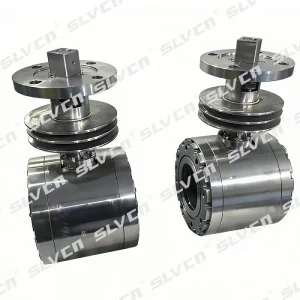
Liquefied Natural Gas (LNG) transport requires valves capable of maintaining integrity at -196°C. We manufacture specialized cryogenic ball valves with extended stems and fire-safe testing, ensuring that thermal contraction does not compromise sealing surfaces or operational safety.
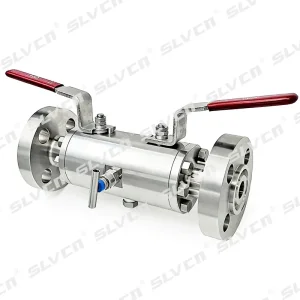
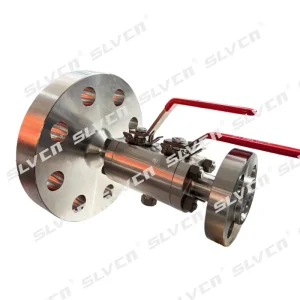
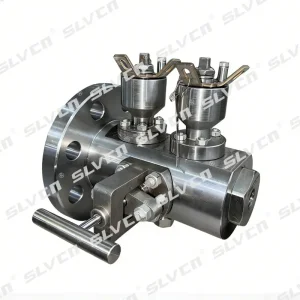
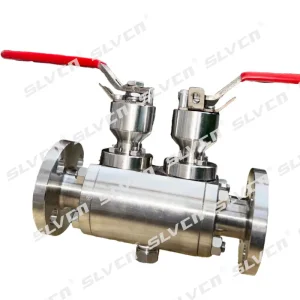
Refineries demand high-integrity DBB (Double Block and Bleed) valves. These units provide positive isolation, allowing for maintenance on one side of the valve while the other side remains pressurized, essential for continuous plant operations and worker safety during maintenance cycles.
Always request API 6D (Specification for Pipeline Valves), API 607/6FA (Fire Safe Certification), and CE/PED compliance. Additionally, ensure the factory has a robust ISO 9001 Quality Management System and, depending on the region, SIL (Safety Integrity Level) ratings for automated valves.
The DBB design allows for two sealing surfaces to block flow from both upstream and downstream sides. The "bleed" feature allows for the cavity to be drained and checked for leakage, providing a high level of assurance for critical isolation, preventing accidental process contamination.
Chinese manufacturers offer a unique blend of high-end raw material sourcing (special alloys, stainless steels) and cost-optimized manufacturing processes. Many top-tier factories have invested heavily in automation, allowing them to compete with European and American manufacturers on lead time and technical customization while maintaining aggressive price points.
 Shoulong Valve