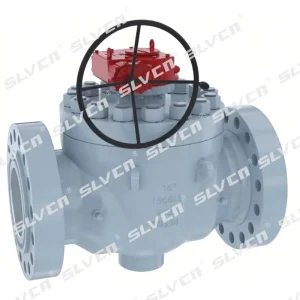
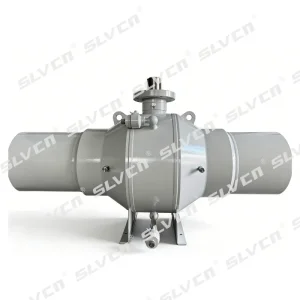
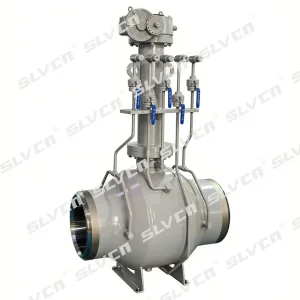
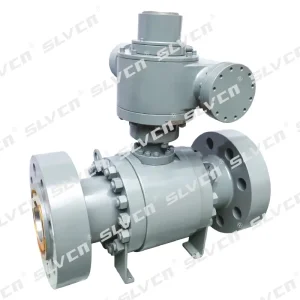
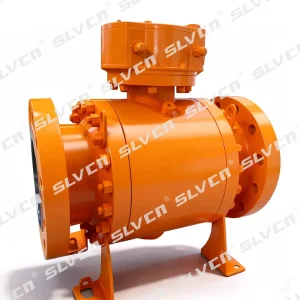
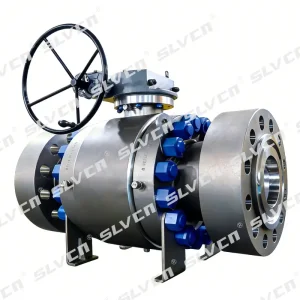
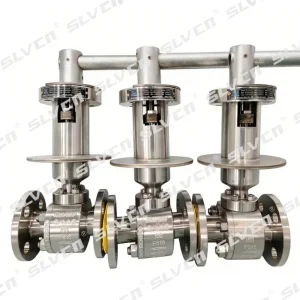
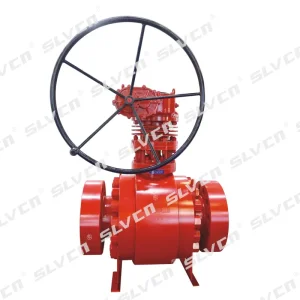
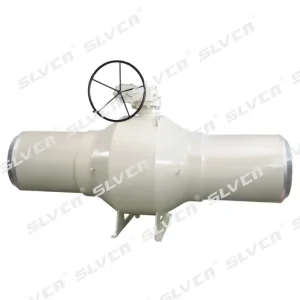
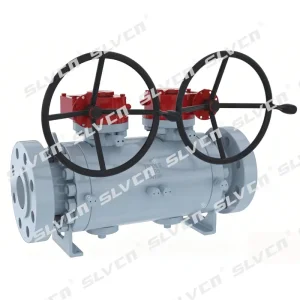
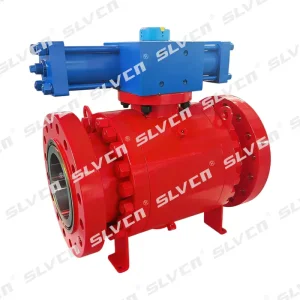
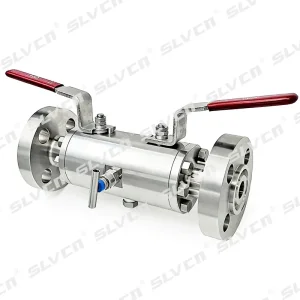
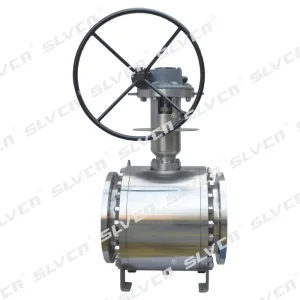
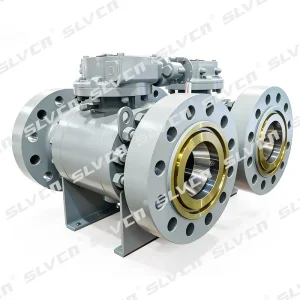
In modern pipeline infrastructure, the "Reduced Bore" vs. "Full Bore" debate often centers on flow capacity. However, our Reduced Ball Valve series is engineered not merely to restrict flow, but to manage pressure differentials and reduce actuator torque requirements in specific, high-criticality zones. By utilizing flow-optimized internal geometry, we ensure that pressure drop remains within acceptable tolerance levels while significantly lowering the footprint and cost of the valve assembly.
Our manufacturing facilities have transitioned into "Factory 4.0" models. This includes:
The integration of smart sensors into valves allows for predictive maintenance. We are currently developing "Intelligent Ball Valves" capable of transmitting health data, reducing downtime by up to 30%.
We maintain rigorous compliance with ASME, API, and CE standards, ensuring our products integrate seamlessly into existing EU, Middle Eastern, and North American energy infrastructure.
Beyond supplying hardware, we act as engineering partners. Our technical team provides on-site consultation for complex retrofits and critical pipeline upgrades.
Reduced bore valves are often more compact, lighter, and cost-effective. They are ideal for applications where the flow capacity requirement does not necessitate full-bore sizing, such as certain process lines where throttling or pressure drop control is required.
We utilize advanced materials including F11, F22, and stainless steels, combined with hard-facing technologies like Stellite or Tungsten Carbide, specifically designed for high-temperature and abrasive service.
Yes. Our in-house R&D team provides end-to-end design, from CAD modeling to prototype fabrication and full-scale production, adhering to your specific pressure class and trim requirements.
With 30 years of export experience, we manage all aspects of global logistics, ensuring compliance with international crating standards and expedited shipping to project sites worldwide.
 Shoulong Valve