 Shoulong Valve
1 / 1
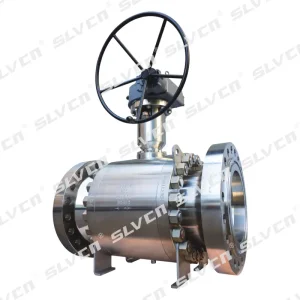
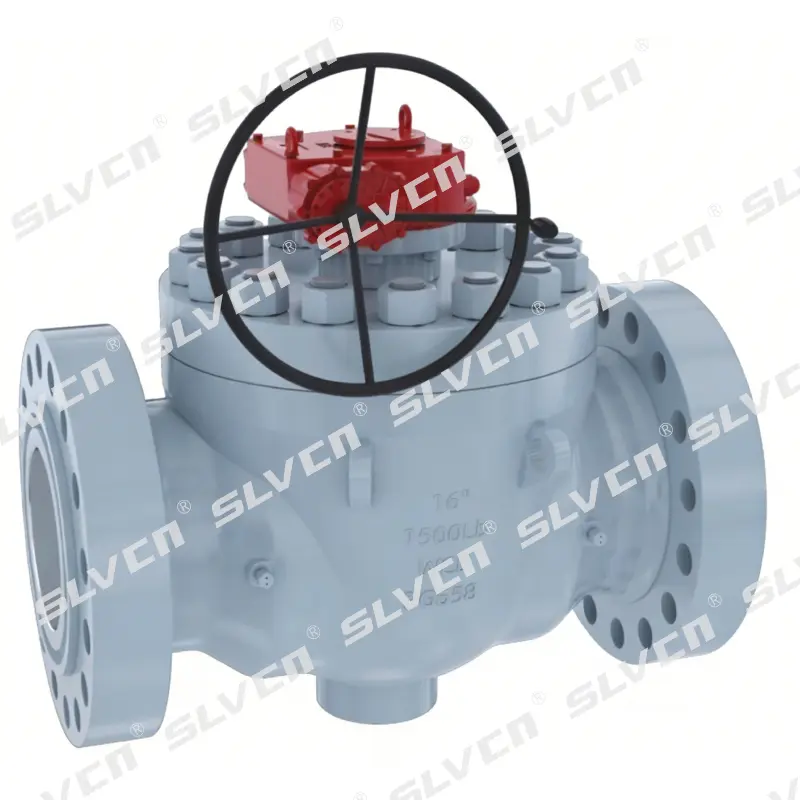
Trunnion-mounted ball absorbs axial loads under high pressure, reducing torque and ensuring long-term sealing stability.
Spring-loaded seats maintain reliable sealing during low-pressure start-up and pressure fluctuations.
Single or double piston effect seat designs available to meet different pressure relief and safety requirements.
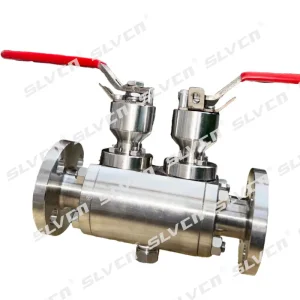
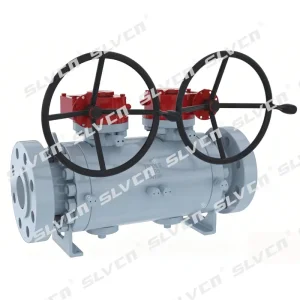
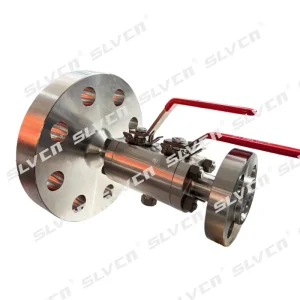
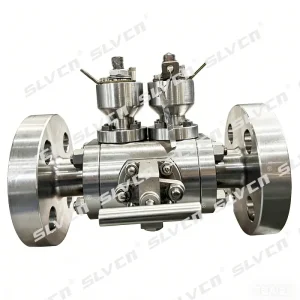
Double Block and Bleed configuration enables cavity pressure relief and sealing integrity verification.
Designed to maintain sealing performance during fire exposure for emergency isolation in hydrocarbon service.
Seat and stem sealant injection available upon request for temporary sealing under abnormal conditions.
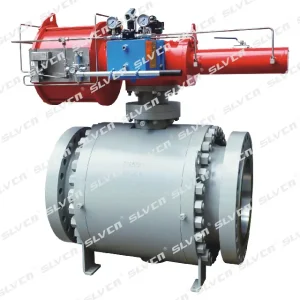
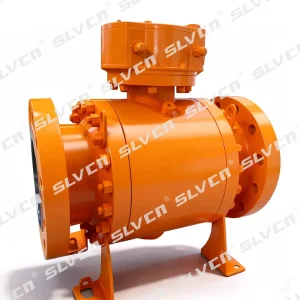
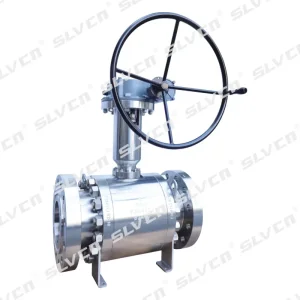
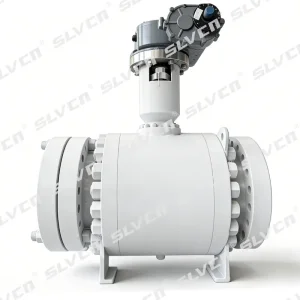
Trunnion-mounted ball valves mechanically support the ball via a fixed trunnion, allowing axial loads to be absorbed by the valve body rather than the seats. This significantly reduces operating torque and extends seat life, making them ideal for high-pressure and large-diameter pipeline applications.
SPE seats seal from one direction only, relying on upstream pressure to energize sealing. DPE seats can seal from both upstream and downstream pressure, providing bi-directional sealing capability. DPE seats are typically used in applications requiring DBB functionality.
In a DBB configuration, both upstream and downstream seats independently seal against the ball, isolating the valve cavity from pipeline pressure on both sides. The bleed port allows operators to safely vent or monitor the trapped cavity pressure.
Fire-safe valves are commonly designed and tested to industry standards such as API 607, API 6FA, and BS 6755 Part 2. These standards specify test conditions under which the valve must maintain sealing performance when subjected to a fire.
Emergency sealant injection is used as a temporary corrective measure when seat or stem seals experience unexpected leakage under abnormal operating conditions, allowing operators to restore a temporary seal without shutting down the pipeline immediately.
Spring-loaded seats ensure consistent contact force between the seat and ball at all times, including during low-pressure start-up or when pipeline pressure fluctuates, guaranteeing reliable sealing across the full operating range.