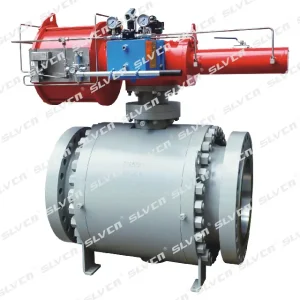
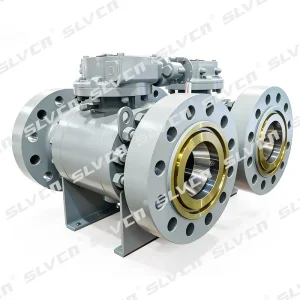
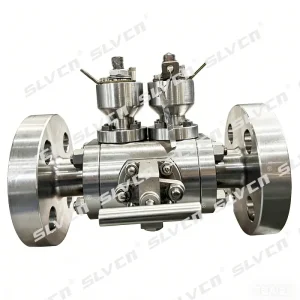
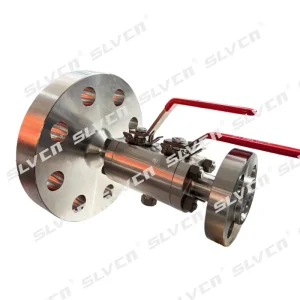
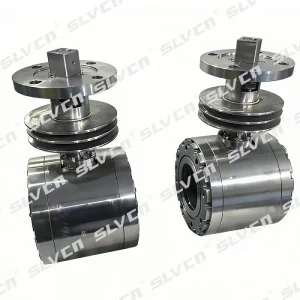
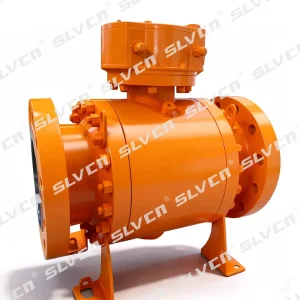
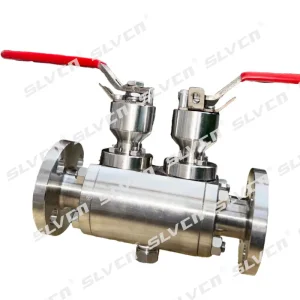
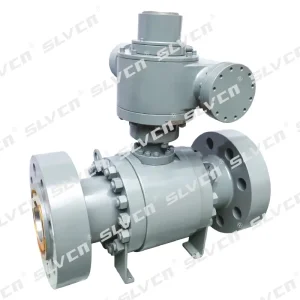
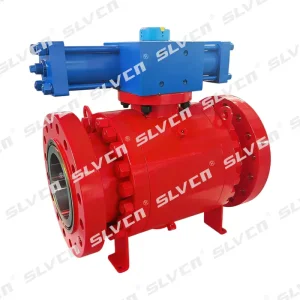
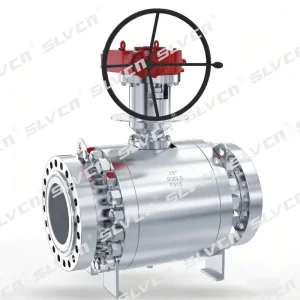
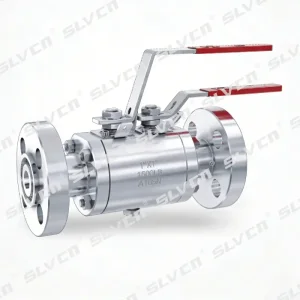
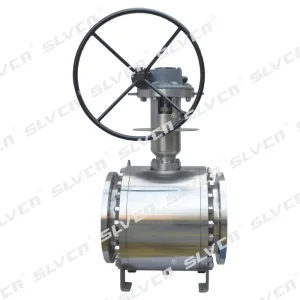
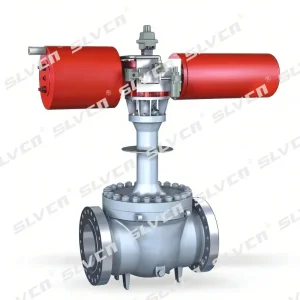
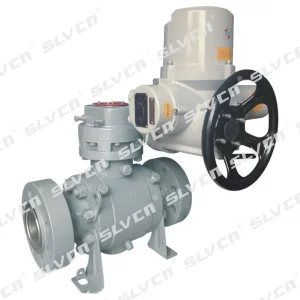
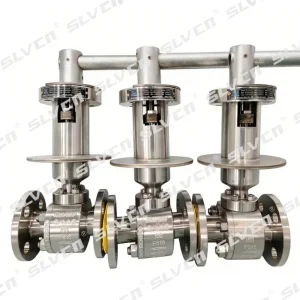
The global demand for high-performance ball valves is undergoing a significant shift. Modern industrial projects, particularly in the Oil & Gas, Hydrogen energy, and Chemical sectors, are moving away from commodity products toward engineered, application-specific solutions. Global procurement managers are increasingly prioritizing Life Cycle Cost (LCC) over initial acquisition costs. This creates a massive demand for OEM partners who can demonstrate deep technical expertise in material science—specifically, the correct grade of stainless steel (316L, 316Ti, Duplex, Super Duplex) to mitigate corrosion under high-stress conditions.
🏭Why are global firms partnering with Chinese factories? It is not just about price. It is about the industrial cluster effect. In key regions, the entire supply chain—from casting and forging raw materials to specialized CNC machining and final testing—is vertically integrated. This proximity allows for:
A "one-size-fits-all" valve does not exist. Our stainless steel ball valves are engineered for specific environmental stresses:
Modern valve procurement is heavily influenced by ESG (Environmental, Social, and Governance) targets. Leakage prevention is the primary focus. Fugitive emission control (ISO 15848-1) is now a standard requirement for major global tenders. Choosing the right OEM supplier means selecting a partner whose manufacturing process emphasizes low-emission technologies and material traceability.
A: A floating ball valve relies on fluid pressure to push the ball against the seat, making it suitable for lower pressures. A trunnion-mounted valve secures the ball top and bottom, allowing it to remain stable under high pressure, significantly reducing operating torque and increasing sealing reliability in critical applications.
A: DBB valves provide two sealing surfaces that allow the cavity between them to be drained or vented. This is vital in hazardous service lines to verify that the upstream side is isolated, preventing media contamination or catastrophic leaks during maintenance.
A: We provide full material traceability, including Mill Test Reports (MTRs) and PMI (Positive Material Identification) testing certificates, ensuring the steel grade meets international ASTM/ASME standards for the specified pressure/temperature ratings.
 Shoulong Valve