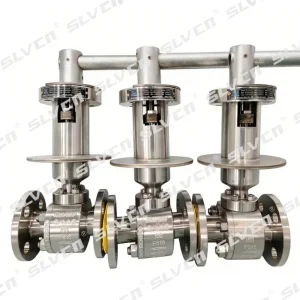
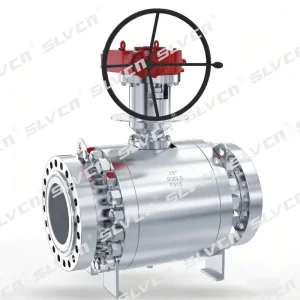
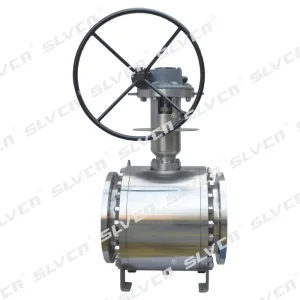
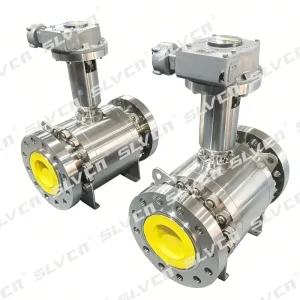
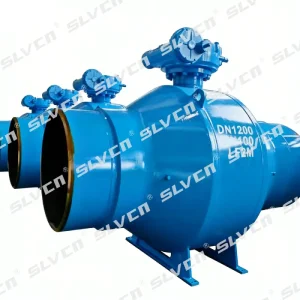
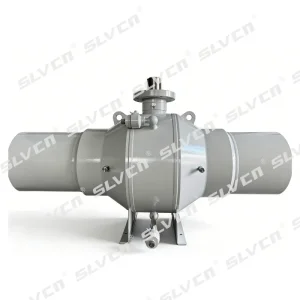
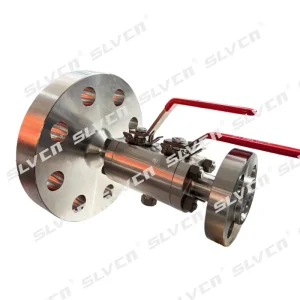
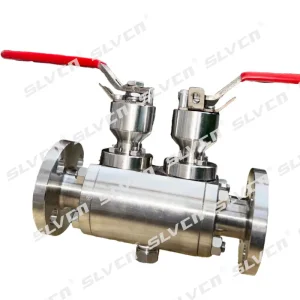
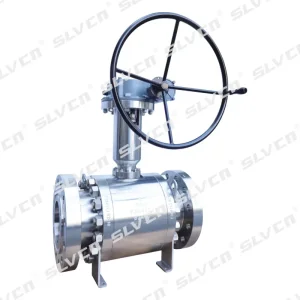
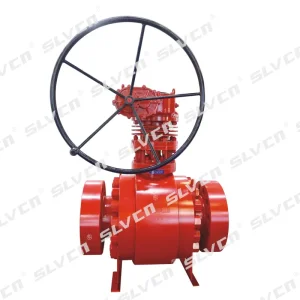
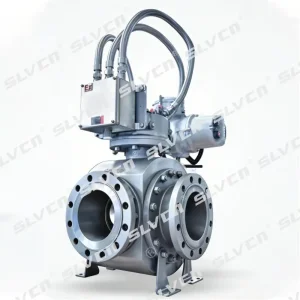
Jakarta, as the heartbeat of Indonesia’s economic and industrial energy sector, is witnessing an unprecedented shift in its energy landscape. As Indonesia pivots toward Natural Gas (LNG) as a primary fuel source for the "Green Energy Transition," the demand for high-reliability cryogenic ball valves has skyrocketed. Whether for regasification terminals in Java or industrial cooling plants in Cilegon, the precision requirements for handling media at temperatures as low as -196°C are absolute.
Indonesia’s infrastructure development, particularly under national initiatives to bolster LNG storage and distribution, positions Jakarta as a critical hub. The reliance on imported energy and the domestic push for LNG utilization necessitate valves that meet stringent ASME and ISO standards. Local manufacturers and industrial players are increasingly seeking Chinese-manufactured valves that provide the perfect balance of cost-efficiency and, most importantly, **information gain**—that is, the deep technical documentation, material traceability (Mill Test Certificates), and rigorous testing data that prove zero-leakage performance.
A standard valve cannot function in cryogenic conditions due to material embrittlement and thermal contraction. Our approach to engineering cryogenic ball valves involves:
As Jakarta moves toward smarter city infrastructure and more robust power generation, the integration of Smart Valve Monitoring—using IoT sensors to track pressure, temperature, and cycle counts in real-time—is the next frontier. We are assisting project managers and procurement heads in Jakarta by not just supplying valves, but by providing comprehensive piping integrity management solutions.
The extended stem distances the valve packing from the cold zone, ensuring that the bonnet seal and actuator do not lose function due to icing or freezing, which is critical for safety in tropical climates with high humidity.
Look for ISO 5211 (Actuator mounting), API 6D (Pipeline valves), and API 607/6FA (Fire-safe). All components must have traceable material heat numbers.
 Shoulong Valve