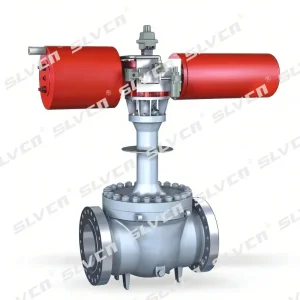
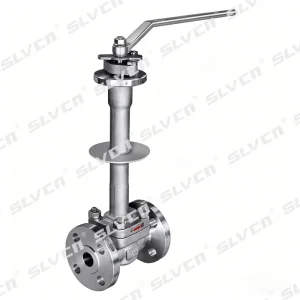
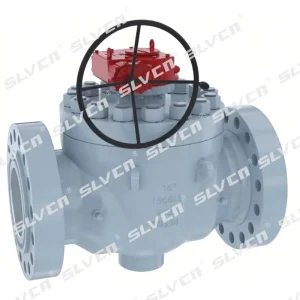
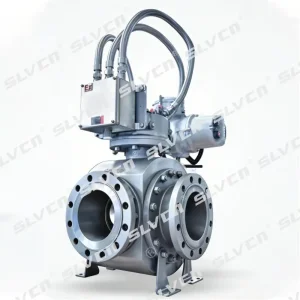
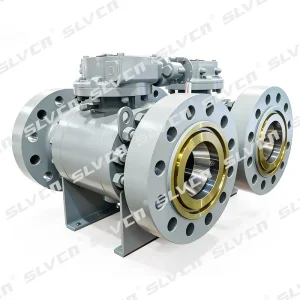
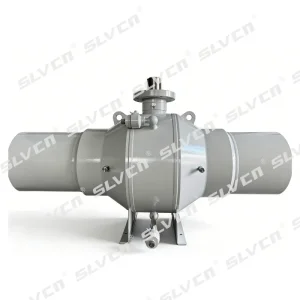
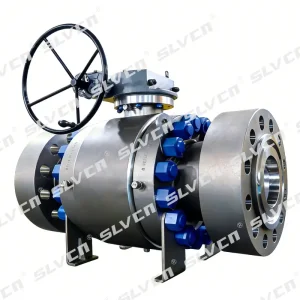
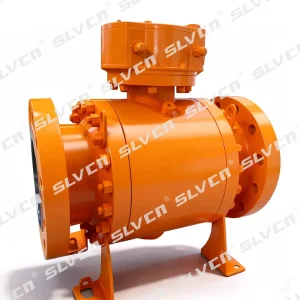
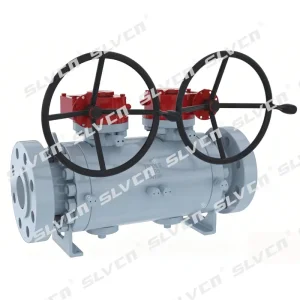
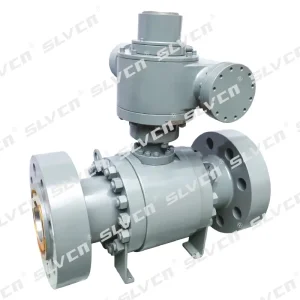
Costa Rica’s industrial landscape is undergoing a significant transformation. As the nation pivots toward sustainable energy, advanced water management, and high-efficiency manufacturing, the demand for reliable, high-performance flow control equipment—specifically Top Entry Ball Valves—has skyrocketed.
For procurement managers and engineers in Costa Rica, the challenge lies in balancing cost with the stringent requirements of critical applications. Top entry ball valves are the gold standard in maintenance-intensive sectors because they allow for in-line repair without removing the valve from the piping system, significantly reducing downtime and operational costs.
Why do industry leaders prioritize the "Top Entry" design? Unlike side-entry or welded valves, the top-entry configuration provides a direct vertical path to the internal components. In Costa Rica’s often remote or high-criticality industrial sites—ranging from geothermal power plants in the Guanacaste region to large-scale agricultural processing facilities—the ability to perform maintenance on-site is a game-changer.
The global valve market is increasingly looking toward China not merely as a low-cost source, but as a hub of manufacturing excellence. The "China Factory Advantage" is built upon decades of investment in:
For Costa Rican businesses, sourcing directly from high-end Chinese factories eliminates middlemen, ensures technical transparency, and allows for direct communication with engineering teams to modify valve specifications to local climate or process requirements.
The industrial application of these valves in Costa Rica is diverse:
Top Entry valves are designed specifically for "In-Line" maintenance. If your facility has critical, continuous flow processes where shutdown time is extremely expensive, Top Entry is the best economic investment.
Always request API 6D or CE certification, inquire about their in-house pressure testing capabilities (Hydro & Gas testing), and ask for references from similar geographical markets.
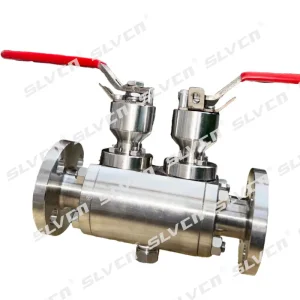
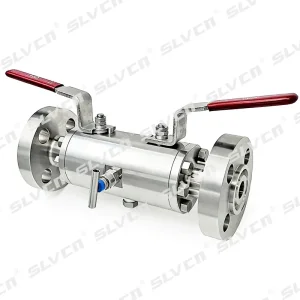
DBB provides two seating surfaces that isolate the upstream and downstream pressure, allowing the cavity to be bled. This ensures 100% isolation, critical for worker safety during maintenance.
 Shoulong Valve