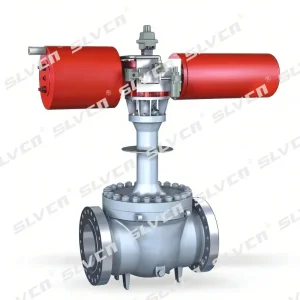
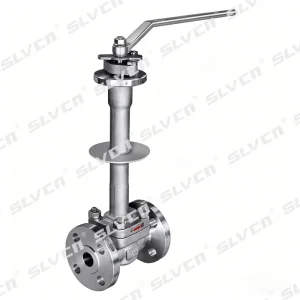
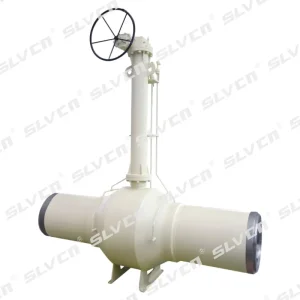
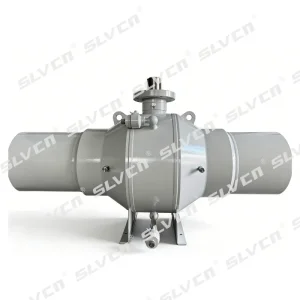
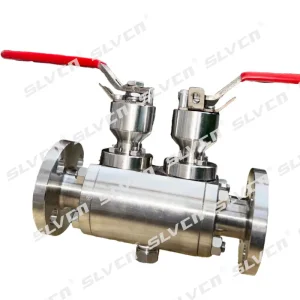
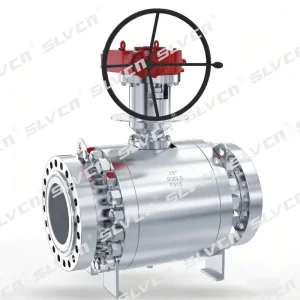
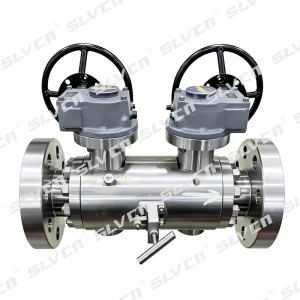
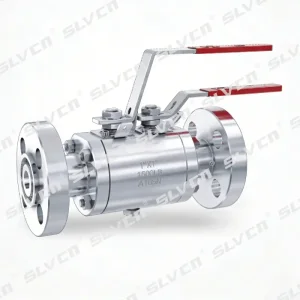
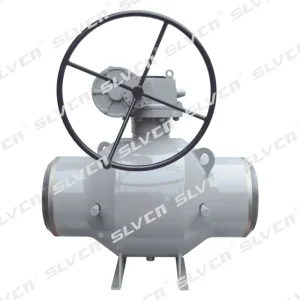
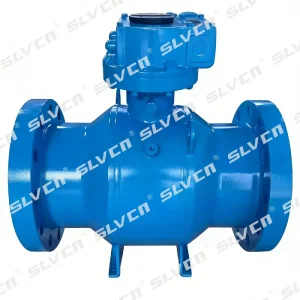
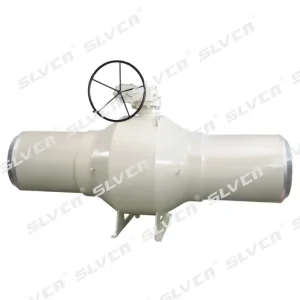
Romania sits at a pivotal juncture in European energy strategy. With the active development of the Neptun Deep project in the Black Sea and the expansion of the BRUA (Bulgaria-Romania-Hungary-Austria) gas corridor, the demand for high-integrity, top-entry ball valves has surged. These projects require equipment capable of withstanding extreme pressure differentials and corrosive offshore environments.
Local industries, including chemical processing plants and refineries, are increasingly shifting towards "In-Line Maintenance" (ILM) strategies to comply with stringent European HSE (Health, Safety, and Environment) regulations. The Top Entry design is the cornerstone of this shift, allowing maintenance teams to access internal components without removing the valve body from the pipeline, significantly reducing operational downtime and costs.
The global valve industry is currently undergoing a paradigm shift driven by three primary vectors: Decarbonization, Digitalization, and Reliability-Centered Maintenance (RCM).
A: Top Entry Ball Valves offer the unique advantage of in-line maintenance. In complex Romanian pipeline networks where excavation is difficult or costly, being able to service the valve internals via the top cover plate provides significant operational resilience.
A: Leading suppliers adhere to international standards such as API 6D, ISO 9001, and CE/PED certification. We implement a "Third-Party Inspection" (TPI) framework to guarantee that every component meets the specific metallurgical and pressure testing requirements demanded by European end-users.
 Shoulong Valve