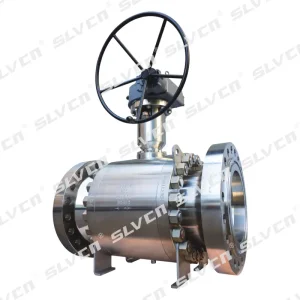
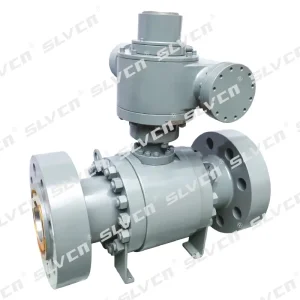
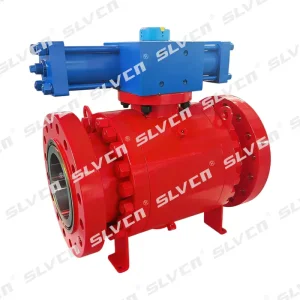
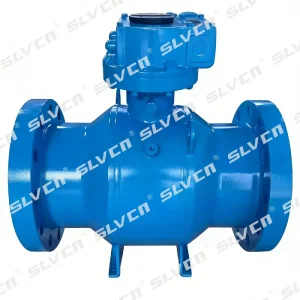
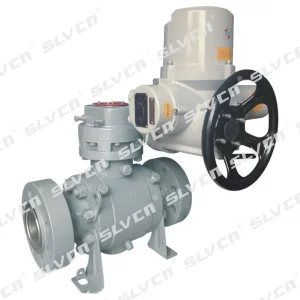
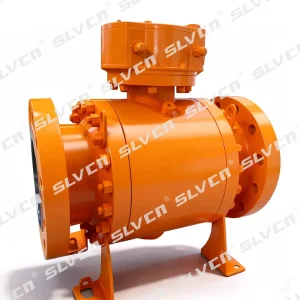
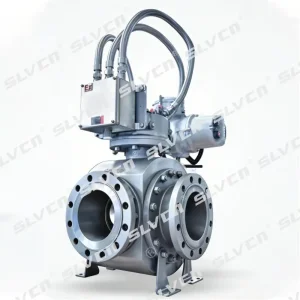
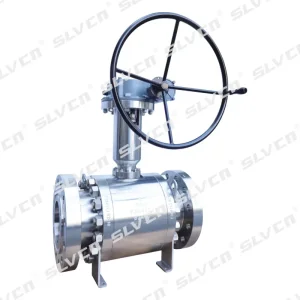
In the domain of oil, gas, and supercritical fluid management, the demand for valves capable of sustaining 10,000 PSI (approx. 690 bar) represents the pinnacle of valve manufacturing. These aren't mere flow control devices; they are safety-critical assets that prevent catastrophic failure in extreme-pressure environments.
The global high-pressure valve market is shifting from "standard supply" to "application-specific, data-driven manufacturing." Information Gain: We observe a trend toward "Intelligent Sealing," where valves are integrated with sensor arrays to monitor real-time pressure decay and seal integrity, shifting from reactive maintenance to predictive health management (PHM).
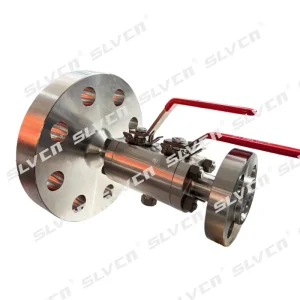
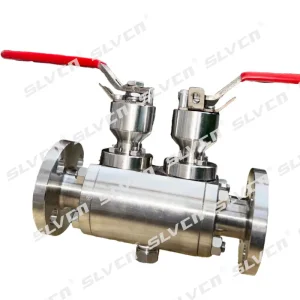
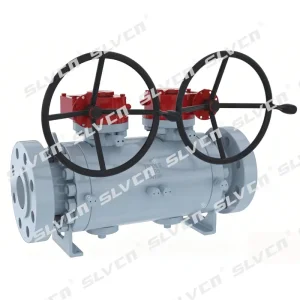
For modern projects, the solution lies in the Double Block and Bleed (DBB) configuration. By utilizing dual isolation valves with a bleed system, operators can confirm seal integrity before maintenance, essentially eliminating the risk of pressure buildup during downtime.
At 10,000 PSI, standard packing materials will extrude, and standard valve bodies will undergo elastic deformation. Specialized wall thickness calculations and stem-sealing technology are required to maintain structural integrity.
Deep-sea exploration, subsea hydraulic controls, high-pressure gas injection, and R&D pilot plants often operate within this pressure class.
Look for full material traceability (mill certificates), third-party hydrostatic/gas pressure test reports (witnessed), and compliance with international standards like PED or ASME.
 Shoulong Valve