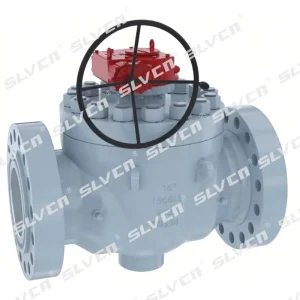
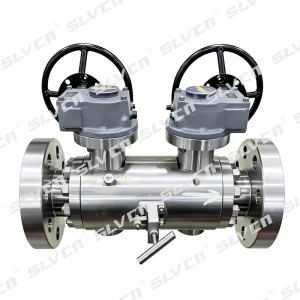
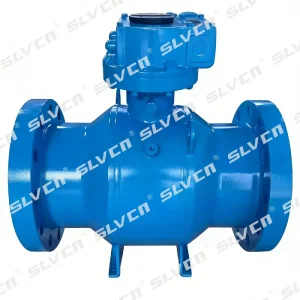
Advanced Engineering, Precision Manufacturing, Global Supply Chain Excellence
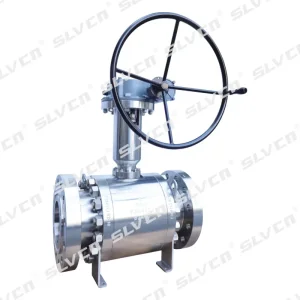
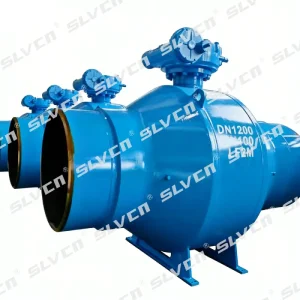
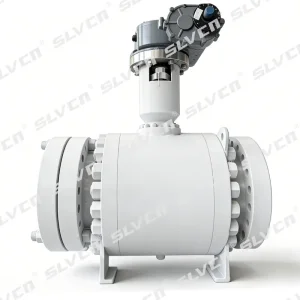
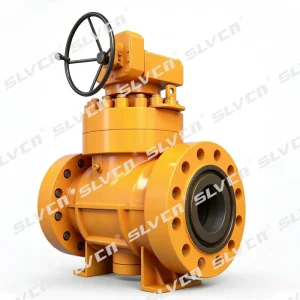
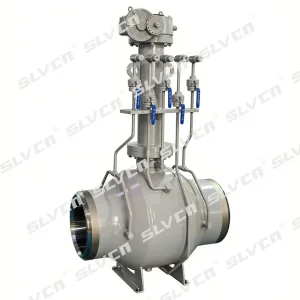
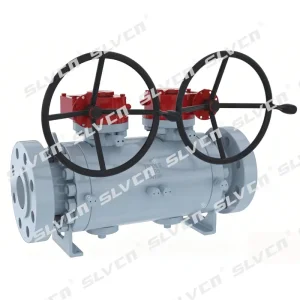
In the landscape of industrial fluid control, the Class 300 ball valve stands as a benchmark for reliability, balancing pressure-temperature ratings with cost-efficiency. As global energy demands shift, the manufacturing of these valves has evolved from simple casting to advanced metallurgical engineering. Today, top-tier OEM factories in China are redefining the market by integrating automated precision machining and rigorous quality control protocols that meet or exceed API 6D and ISO 9001 standards.
China has established itself as the nerve center of the global ball valve supply chain. This is not merely due to labor advantages but rather a result of:
Class 300 ball valves are ubiquitous in the midstream oil and gas sector. They are the "workhorse" for:
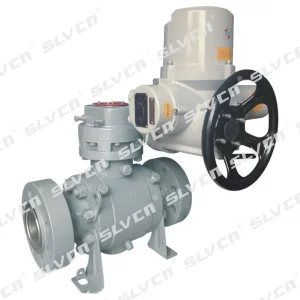
The industry is currently moving toward "Smart Valve" technology. Integration of IoT sensors allows operators to monitor stem leakages and torque performance in real-time. Furthermore, as decarbonization takes hold, manufacturers are optimizing internal geometries for hydrogen service, ensuring that existing Class 300 frameworks can handle the molecular intricacies of hydrogen gas without embrittlement.
When sourcing OEM ball valves, global procurement teams should look beyond the price tag. Verify the following:
A: The trunnion-mounted design supports the ball at the top and bottom, reducing the force required to operate the valve and preventing the ball from being pushed against the downstream seat by line pressure. This ensures lower torque and consistent, reliable sealing even at higher pressures.
A: We utilize advanced metal-to-metal seating technology combined with high-precision lapping processes. Every valve undergoes rigorous API 598 or API 6D testing, including shell and seat leakage tests, to guarantee bubble-tight performance.
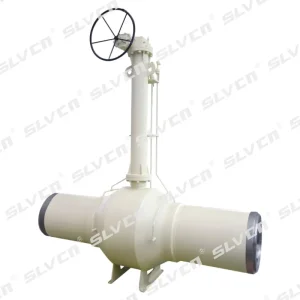
A: Yes. From custom stem extensions for buried service to specific alloy materials like Monel, Inconel, or Duplex Stainless Steel, our engineering team can adapt designs to meet your specific project specifications.
 Shoulong Valve