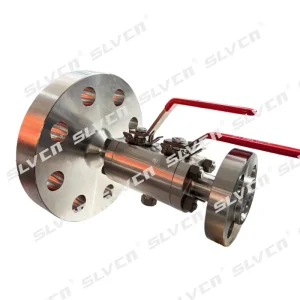
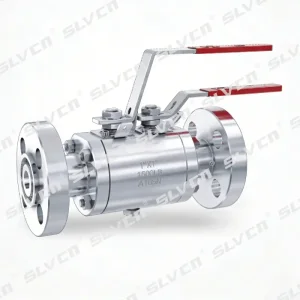
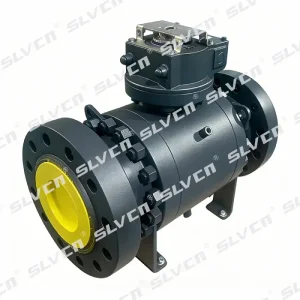
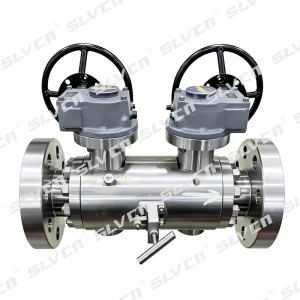
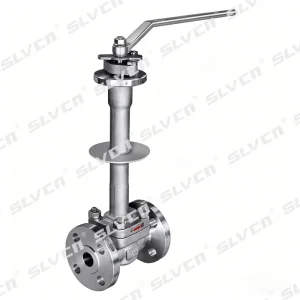
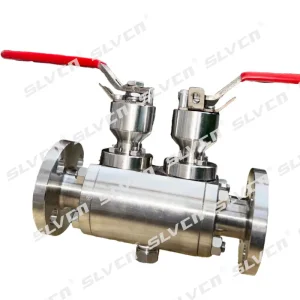
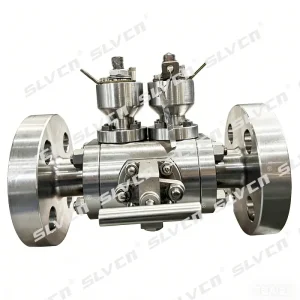
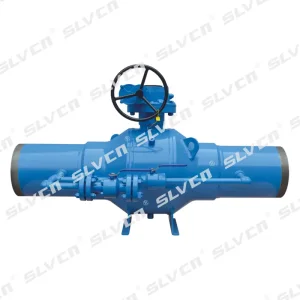
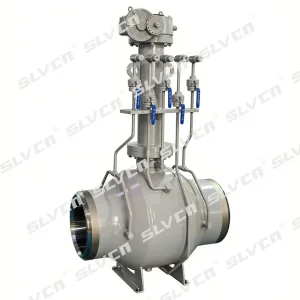
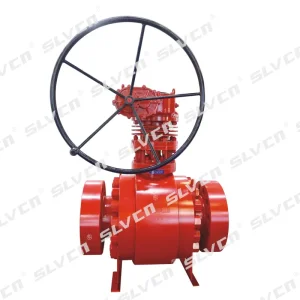
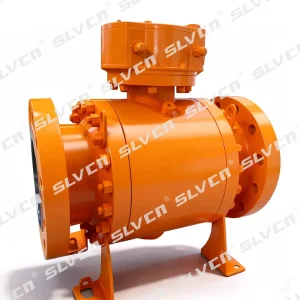
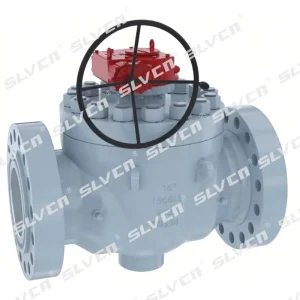
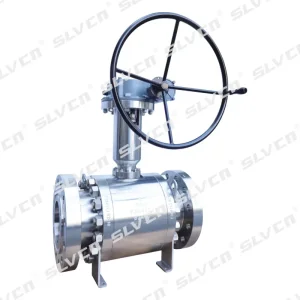
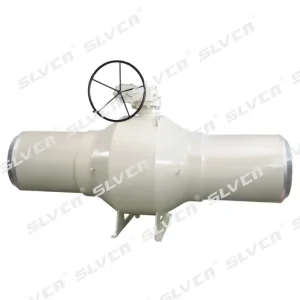
As a global leader in industrial flow control, the demand for **China-manufactured Class 600 ball valves** has surged, driven by stringent safety standards and the expansion of midstream energy networks. Class 600 valves are not merely mechanical components; they are critical safety infrastructure designed to withstand operational pressures up to 1440 psi (approx. 99 bar) under ambient conditions. In high-stakes environments—such as hydrocarbon processing, cryogenic LNG terminals, and high-pressure transmission lines—the structural integrity of these valves is the frontline defense against catastrophic failure.
This industry report explores why global EPC contractors and procurement managers are increasingly sourcing from specialized Chinese factories that leverage CNC precision, vacuum-sealed casting techniques, and advanced non-destructive testing (NDT) protocols to deliver high-performance valve solutions.
The transition toward "Industry 4.0" is redefining the requirements for Class 600 ball valves. Modern projects now demand more than just pressure containment; they require smart-ready valves capable of integrating with IoT monitoring systems. From fugitive emission control (ISO 15848-1) to specialized metallurgy for hydrogen-blended natural gas, the technical roadmap for leading factories in China is centered on:
We provide localized engineering support, bridging the gap between international EPC specifications (Shell, Aramco, Total) and domestic production capabilities.
Adherence to API 6D, API 607 (Fire Safe), and ASME B16.34 standards is the baseline for all our Class 600 series valve exports.
Implementing low-carbon foundry processes and energy-efficient machining to lower the environmental footprint of heavy valve manufacturing.
A: Class 600 valves are engineered with thicker wall sections and robust bonnet/body bolting to handle significantly higher pressure ratings. They are specifically required for transmission pipelines where the pressure may vary or spike, ensuring a safety factor that prevents structural deformation.
A: Material selection is driven by the P&ID (Piping and Instrumentation Diagram) and fluid characteristics. For non-corrosive hydrocarbons, WCB is standard. For sour gas, we recommend A350 LF2 or F316 with specific NACE MR0175/ISO 15156 compliance.
A: Standard off-the-shelf sizes are typically available within 4-6 weeks. For custom forged trunnion-mounted valves or specialized metallurgy (e.g., Duplex/Super Duplex), lead times typically range from 10 to 14 weeks depending on the forging schedule and testing requirements.
Consult with our lead engineers for your next project requirement.
 Shoulong Valve