 Shoulong Valve
1. The Evolution of Double Block and Bleed (DBB) Valve Technology
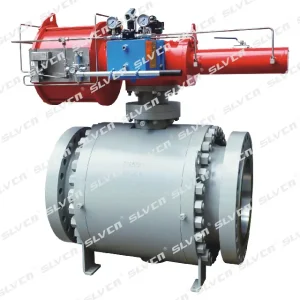
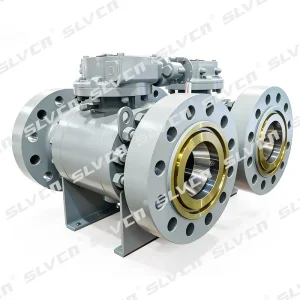
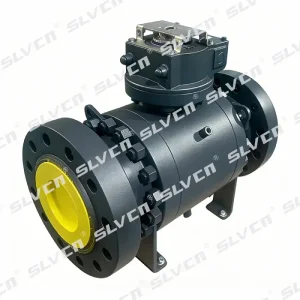
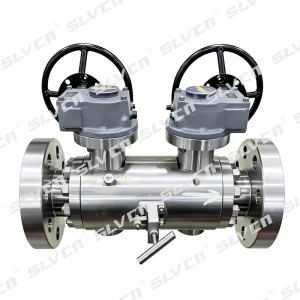
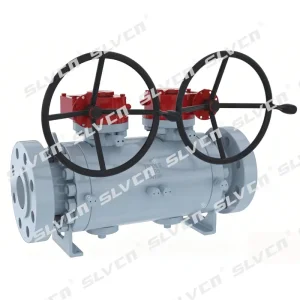
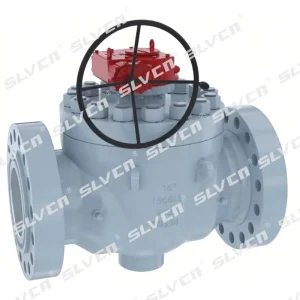
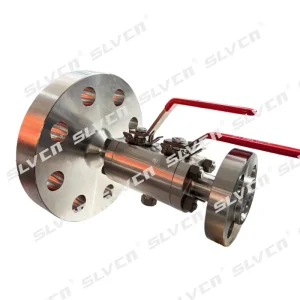
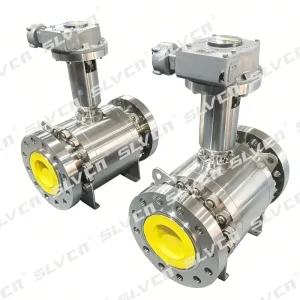
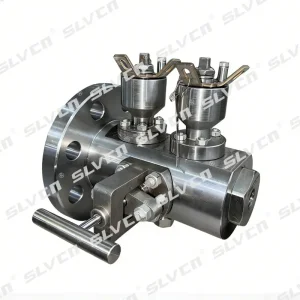
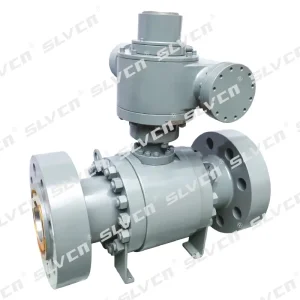
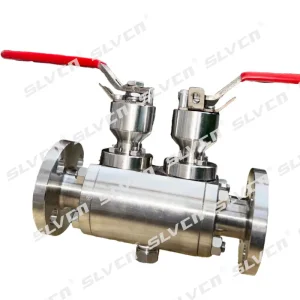
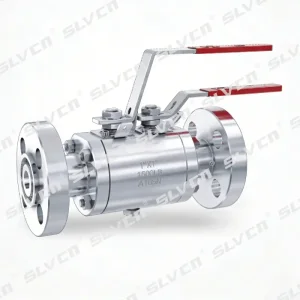
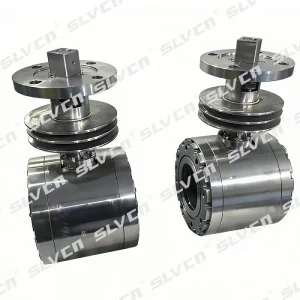
Modern industrial sectors require more than just flow control; they demand total isolation security. Our DBB valve types utilize advanced trunnion-mounted designs that effectively isolate both upstream and downstream flow. By integrating bleed ports, we allow for the venting of trapped pressure between seals, a critical factor in preventing cross-contamination in chemical processing and catastrophic pressure buildup in oil & gas transport.
2. China Factory Supply Chain Resilience & Efficiency
In a volatile global market, supply chain integrity is our competitive edge. Our manufacturing facilities leverage vertical integration—from raw material sourcing to final hydrostatic testing. This allows us to maintain strict ISO 9001 quality standards while mitigating the risks associated with global logistics. Our "Lead Time Optimization" strategy ensures that critical path components reach global project sites ahead of schedule.
3. Technical Roadmap: Smart Valves & Future Outlook
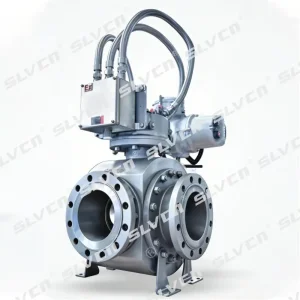
The industry is shifting toward Industry 4.0. Our R&D team is currently prototyping "Smart DBB Valves" equipped with IoT-enabled sensors. These sensors monitor seal degradation and actuator performance in real-time, sending telemetry data to central control systems. This transition from reactive maintenance to predictive maintenance is the cornerstone of our future manufacturing roadmap.