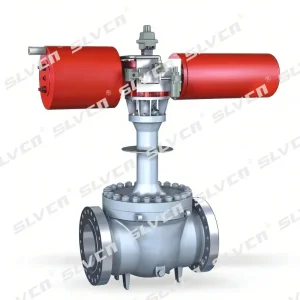
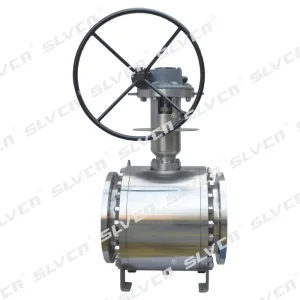
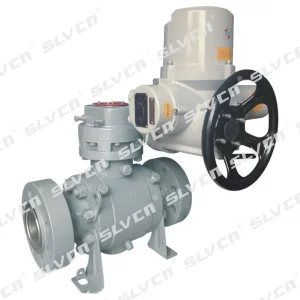
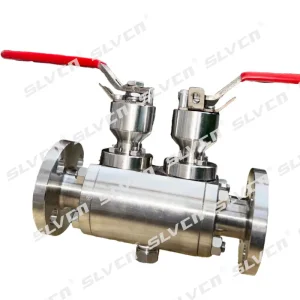
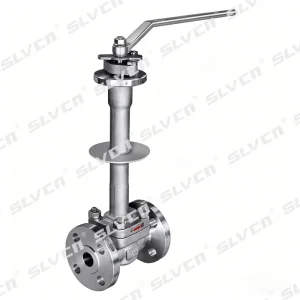
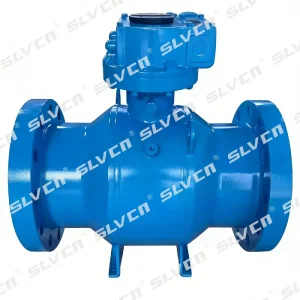
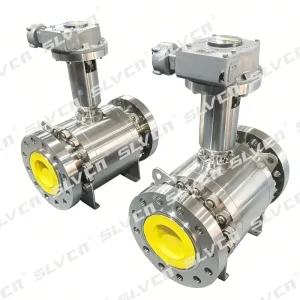
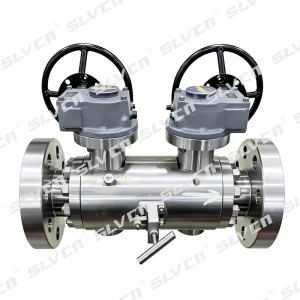
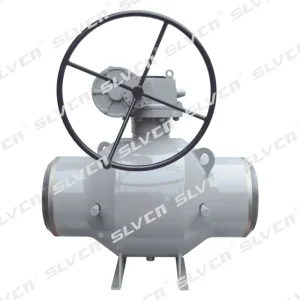
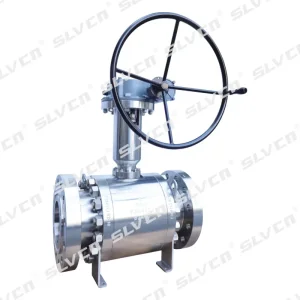
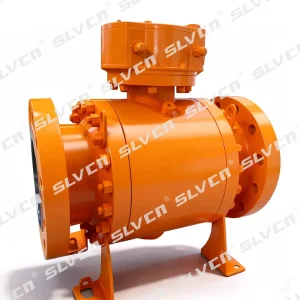
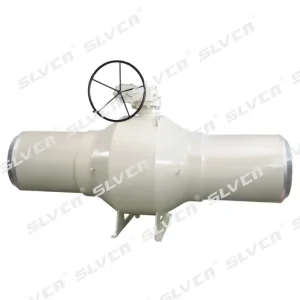
In the complex world of fluid control, the Floating Ball Valve remains a cornerstone of industrial efficiency. Unlike trunnion-mounted designs, a floating ball valve allows the ball to move slightly under pressure, pressing against the downstream seat to create a tight, automatic seal. As an OEM (Original Equipment Manufacturer), we specialize in tailoring these mechanisms for specific pressure ratings, temperature extremes, and corrosive media.
Choosing the right supplier isn't just about price—it's about Information Gain. Our commitment to transparency, material traceability (ASTM/DIN/JIS standards), and rigorous pressure testing (API 598/API 6D) ensures that every unit we deliver functions as a reliable asset in your pipeline integrity strategy.
Leveraging China's world-class manufacturing ecosystem, we combine advanced CNC machining with low-cost production while maintaining the highest quality standards globally.
Every valve undergoes comprehensive validation. From material chemical analysis to cryogenic testing, we ensure full compliance with international safety regulations.
We act as a bridge for global enterprises, providing localized support, logistics coordination, and multilingual technical documentation for seamless procurement.
Floating ball valves are versatile, but their application requires deep industry knowledge:
Q: What is the main difference between Floating and Trunnion Mounted Ball Valves?
A: A floating ball valve uses fluid pressure to press the ball against the downstream seat, making it highly effective for low to medium pressure applications. A trunnion-mounted valve uses a mechanical support (trunnion) to hold the ball, reducing operating torque—ideal for high-pressure/large-diameter applications.
Q: Why should international buyers choose an OEM factory in China?
A: Chinese OEM factories now utilize advanced automation, such as 5-axis CNC machines and robotic welding. By bypassing middlemen, you access direct-from-factory pricing while maintaining strict quality control through internationally certified audit procedures.
Q: How do you guarantee the quality of your valves?
A: We employ a multi-stage Quality Assurance (QA) process, including Positive Material Identification (PMI), hydrostatic pressure testing, gas seat testing, and non-destructive testing (NDT) to ensure compliance with API, ASME, and ISO standards.
 Shoulong Valve