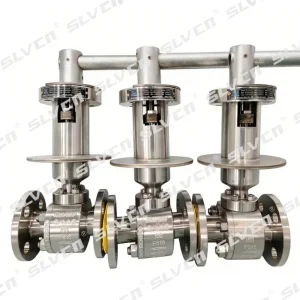
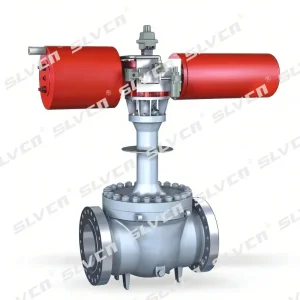
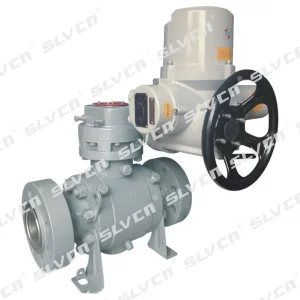
Engineered Excellence for Global Industrial Fluid Control & Critical Isolation
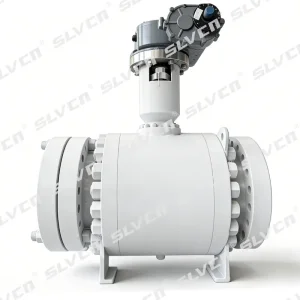
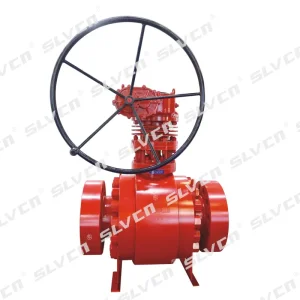
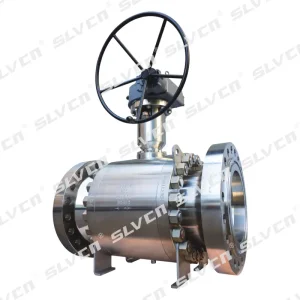
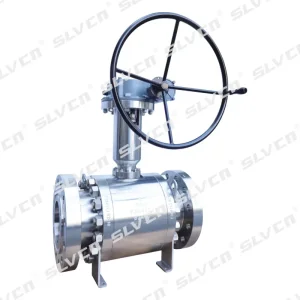
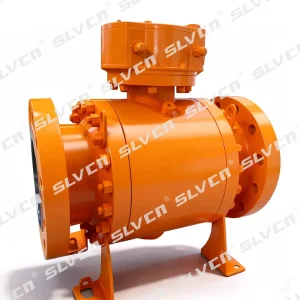
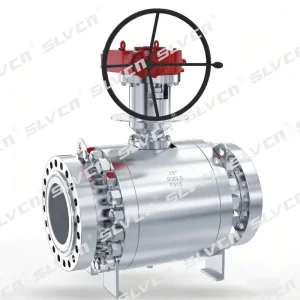
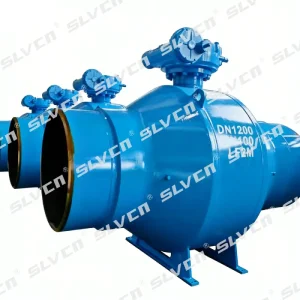
In the complex landscape of industrial flow control, Full Port (Full Bore) Ball Valves represent the gold standard for critical pipeline infrastructure. Unlike reduced-port alternatives, full port valves ensure that the internal flow diameter is equal to the pipeline's internal diameter. This design provides significant operational advantages, particularly in long-distance transmission and high-viscosity applications.
Modern global enterprises, particularly in the Oil & Gas, Petrochemical, and LNG sectors, face increasing pressure to optimize uptime while maintaining stringent safety protocols. The "Full Port" specification is not merely a design preference—it is a critical requirement for:
Integration of IoT-enabled actuators for predictive maintenance, allowing remote monitoring of valve health and leakage detection.
Adoption of advanced alloys and coatings (Inconel, Stellite) to resist hydrogen embrittlement and ultra-low temperature stress in cryogenic applications.
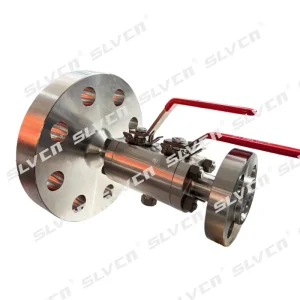
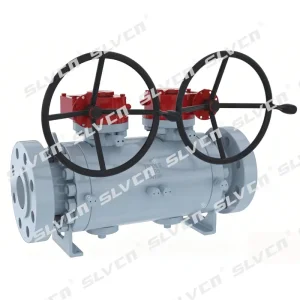
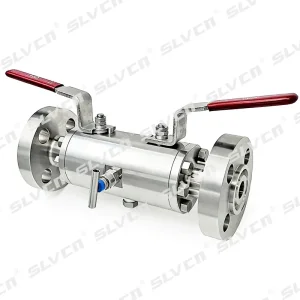
Advancements in Double Block and Bleed (DBB) technology for redundant, zero-leakage isolation in high-risk hydrogen and chemical storage environments.
Sourcing from China-based factories requires a rigorous approach to E-E-A-T (Experience, Expertise, Authoritativeness, Trustworthiness). Global procurement teams must audit suppliers against international benchmarks, not just pricing.
As a seasoned SEO Growth Director, I advise that content demonstrating these certifications inherently ranks higher in "intent-based" searches because it directly addresses the buyer's anxiety regarding quality and safety.
Full port valves have an internal flow path diameter equal to the connecting pipe, ensuring no flow restriction. Reduced port valves have a smaller internal diameter, which creates pressure drop and prevents pigging. Full port is preferred for main transmission lines.
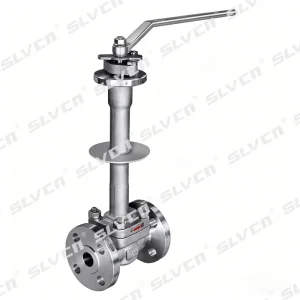
We utilize specialized seat designs, extended stems to isolate the packing from extreme cold, and rigorous cryogenic testing (often down to -196°C) to verify sealing integrity.
Yes. As a factory-direct supplier, we offer customization including specialized trim materials (stellite, tungsten carbide), specific actuation interfaces, and bespoke coating solutions to meet unique project specifications.
Lead times vary based on material availability and testing requirements. However, our streamlined manufacturing process and modular inventory management allow us to meet accelerated project schedules compared to industry averages.
 Shoulong Valve