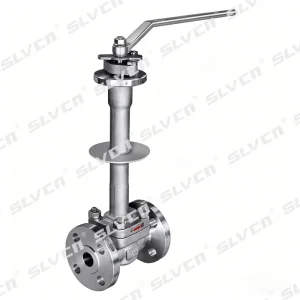
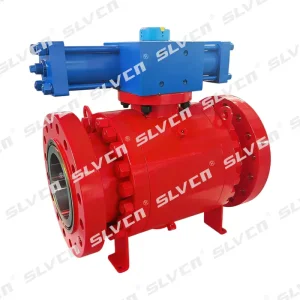
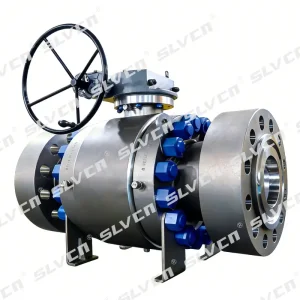
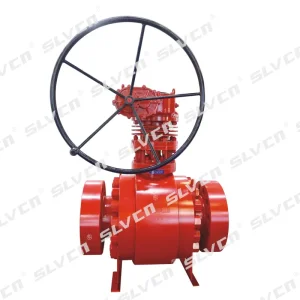
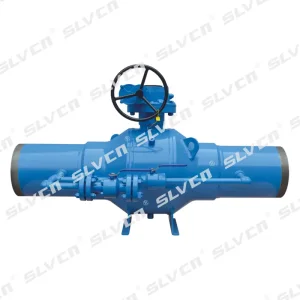
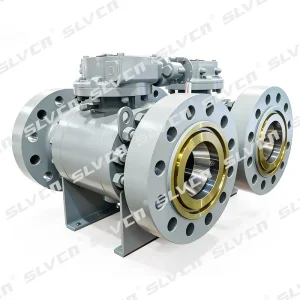
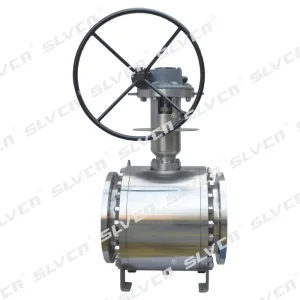
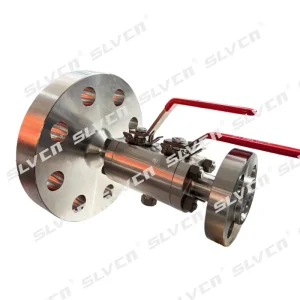
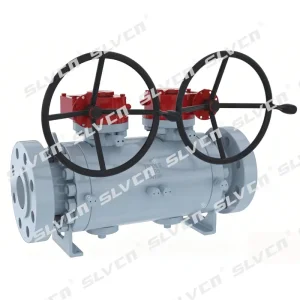
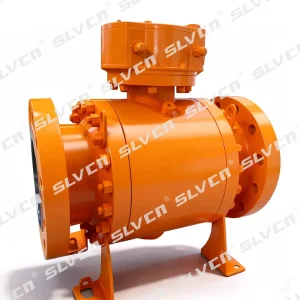
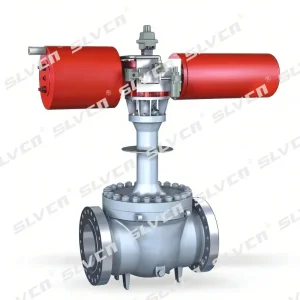
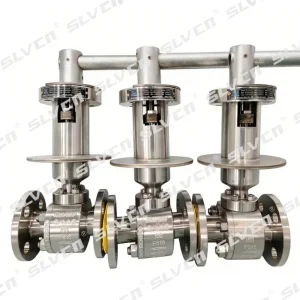
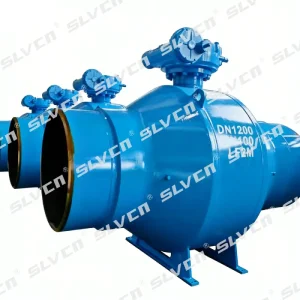
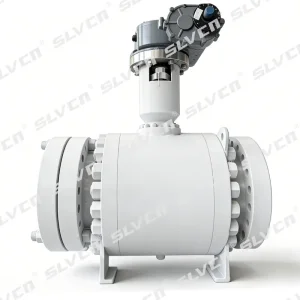
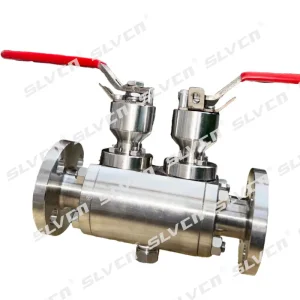
In the landscape of modern industrial infrastructure, the "Gear Operated Valve" represents the pinnacle of torque management and operational safety. China has transitioned from being a regional component supplier to a dominant global hub for high-performance valve engineering. This evolution is driven by relentless investment in R&D, precision manufacturing, and rigorous compliance with international standards such as API, ASME, and ISO.
The next decade of valve manufacturing is defined by the integration of Industry 4.0. China's top-tier factories are currently implementing:
Global industrial procurement faces supply chain instability. However, the Chinese valve manufacturing ecosystem offers unparalleled resilience through:
Vertical integration allows for tighter control over raw material procurement—forging, casting, and precision machining are often done in-house or within a closely linked local cluster. This reduces lead times and ensures that "gear-operated" mechanisms meet the stringent torque requirements of heavy-duty applications without reliance on external, unstable sub-suppliers.
Technical compliance is the barrier to entry for global oil & gas projects. A reputable China factory does not just "build to print"; they engineer to international standards. This includes:
Gear operation provides the mechanical advantage required to operate large-diameter valves or those under high pressure, allowing a single operator to open/close the valve safely without external pneumatic/electric actuation if manual control is required.
Look for third-party inspection certifications (TUV, DNV, BV), proven project case studies, and a clear, transparent MTR (Material Test Report) process for every component.
Yes, leading factories have dedicated engineering teams that can modify trim materials, stem extensions, and gear ratios based on specific project site conditions.
 Shoulong Valve