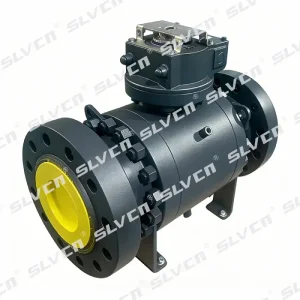
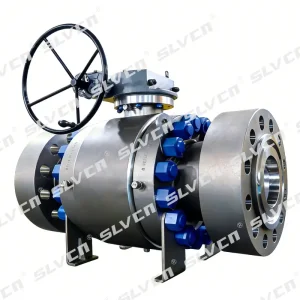
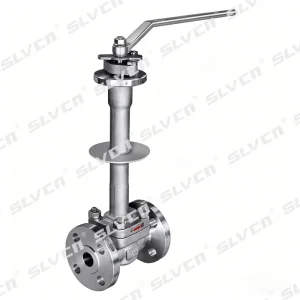
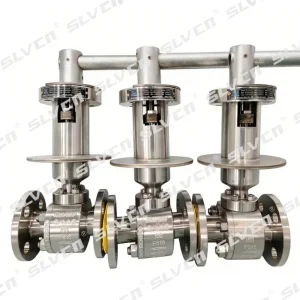
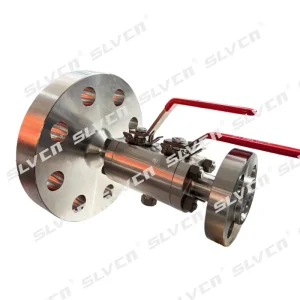
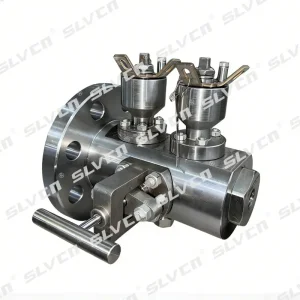
As the energy landscape shifts toward more demanding extraction environments—ranging from deep-sea offshore platforms to high-pressure shale gas transmission—the role of high-pressure ball valves has never been more critical. Modern valve engineering is no longer just about flow control; it is about absolute safety, zero-leakage performance, and environmental compliance.
The Oil & Gas sector is currently witnessing a massive digital transformation. "Smart" valves equipped with IoT sensors are becoming the standard, allowing operators to monitor seal integrity, torque levels, and vibration in real-time. This predictive maintenance approach reduces unscheduled downtime by an estimated 30%. Furthermore, with the rise of Hydrogen energy, valve manufacturers are pivoting toward materials that resist hydrogen embrittlement, ensuring that legacy infrastructure can be retrofitted for green energy transport.
In today's volatile global market, procurement managers face the "trilemma" of cost, quality, and lead time. Leading global factories have responded by adopting modular manufacturing processes. By streamlining production lines to handle customized specifications (like varying pressure classes from 150LB to 2500LB) while maintaining inventory of standard high-demand components, suppliers can significantly reduce lead times for international projects.
Reliability in critical isolation is governed by strict international standards. Our manufacturing workflow adheres to:
Our R&D department is currently focusing on Nanocoating Technology for valve balls and seats. This proprietary coating reduces friction coefficients, effectively extending the service life of valves in highly abrasive media (like sandy natural gas pipelines) by up to 40%.
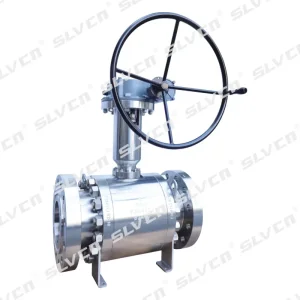
A: High-pressure valves are engineered with reinforced body wall thicknesses, advanced trunnion-mounted designs to distribute load, and specialized metal-to-metal seat seals to prevent deformation under stress, often rated for classes 900LB to 2500LB.
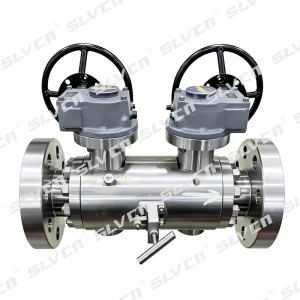
A: A DBB configuration allows for the isolation of the upstream and downstream pressure simultaneously, with a bleed valve in the middle. This ensures that any residual pressure is safely vented, preventing cross-contamination and protecting personnel during maintenance.
A: We implement a 5-step quality gate: Material Spectro-analysis, Hardness Testing, Shell/Seat Hydrostatic Testing, High-Pressure Gas Testing, and Final Operational Torque verification, all documented with traceability reports.
 Shoulong Valve