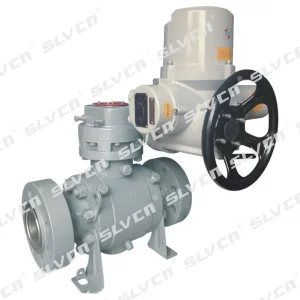
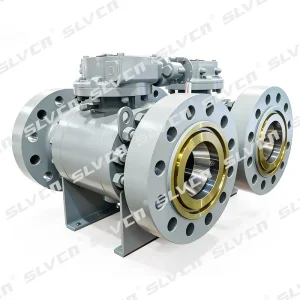
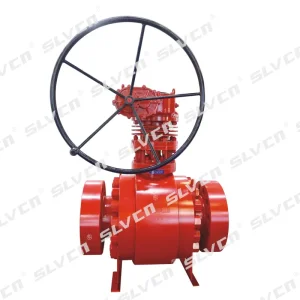
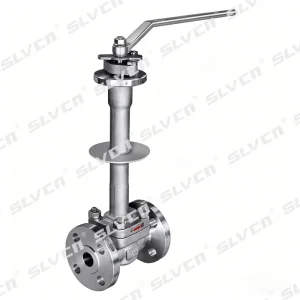
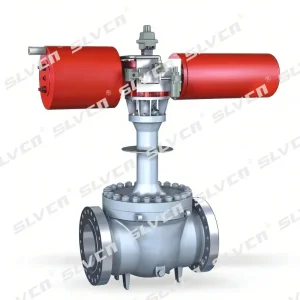
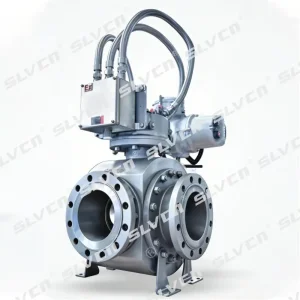
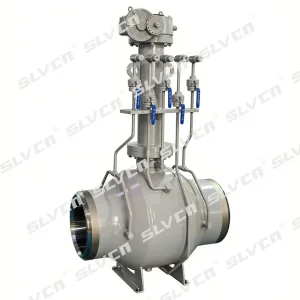
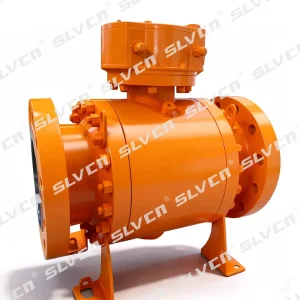
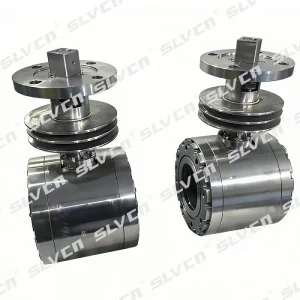
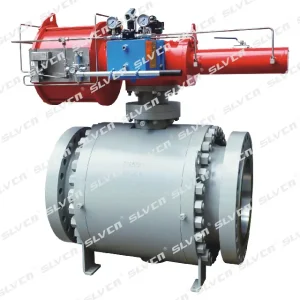
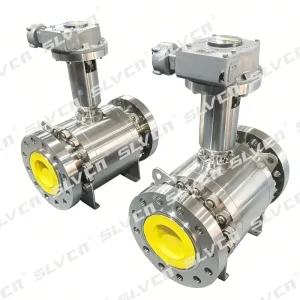
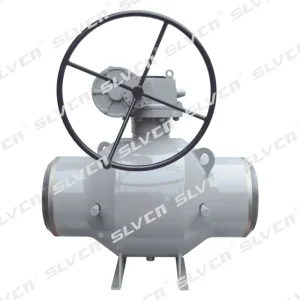
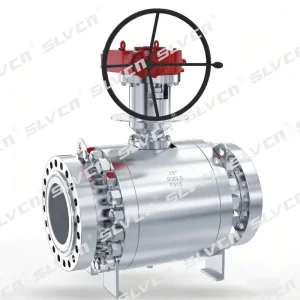
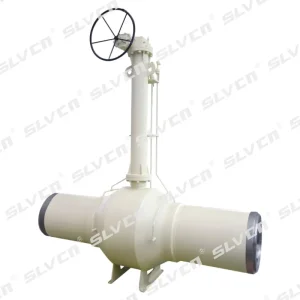
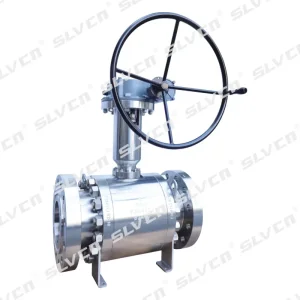
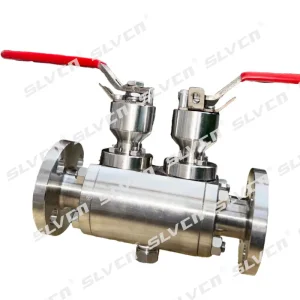
In the modern industrial landscape, the demand for high-performance fluid control is rising. As a premier OEM Metal Seated Ball Valve Manufacturer, we recognize that metal-seated designs represent the pinnacle of sealing integrity under extreme service conditions—including high-pressure steam, abrasive slurries, and cryogenic temperatures. Unlike soft-seated valves, our metal-to-metal seating technology utilizes specialized surface treatments like Tungsten Carbide (WC) and Stellite hard-facing, ensuring zero-leakage performance where other valves fail.
Our R&D department is focused on three critical pillars: Intelligent Valve Actuation, Material Innovation, and Predictive Maintenance. By integrating IoT-enabled sensors directly into the valve body, we are transitioning from standard flow control to "Smart Valve" asset management. Future-proofing our manufacturing roadmap involves testing ceramic-matrix composites to further extend operating temperatures beyond 800°C, ensuring that we remain the preferred partner for energy transition projects, including green hydrogen and carbon capture initiatives.
Global industrial procurement is undergoing a paradigm shift towards supply chain resilience. Our manufacturing base in China benefits from a mature vertical integration model. By housing raw forging, precision machining, and non-destructive testing (NDT) under one roof, we eliminate intermediate supply chain friction. This ensures not only competitive pricing but, more importantly, strict compliance with international standards such as API 6D, ISO 9001, and CE. Our Just-in-Time (JIT) production capabilities allow us to support global projects with agile delivery timelines, mitigating the logistical risks often associated with international sourcing.
Our metal-seated valves are engineered for the harsh, abrasive environments of wellhead production, handling high-pressure fluids laden with sand and debris.
Designed for thermal shock resistance, our valves ensure reliable containment down to -196°C, critical for LNG infrastructure security.
For steam isolation and boiler feed lines, our metal-seated designs prevent erosion and seat-wear, significantly extending Mean Time Between Maintenance (MTBM).
We provide comprehensive technical support that transcends borders. From initial FEED (Front-End Engineering Design) stage consulting to on-site installation supervision, our engineering team acts as an extension of your own. We strictly adhere to global safety standards, providing full material traceability (MTRs) and comprehensive documentation packages required for major EPC (Engineering, Procurement, and Construction) project approval.
A: Metal-seated valves are designed for severe service conditions (high temperature, high pressure, abrasive media). They offer superior longevity, resistance to deformation, and consistent seal integrity that soft seats (PTFE/PEEK) cannot maintain in extreme thermal expansion or abrasive cycles.
A: Yes. As an OEM manufacturer, we specialize in tailor-made solutions. Our engineering team can modify face-to-face dimensions, end connections, and actuator mounting pads to integrate perfectly with your existing infrastructure.
A: Every valve undergoes a rigorous multi-stage inspection process, including PMI (Positive Material Identification), hydrostatic pressure testing, and torque verification, ensuring all products exceed the requirements of API 6D and other relevant international standards.
 Shoulong Valve