 Shoulong Valve
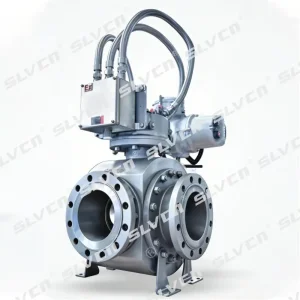
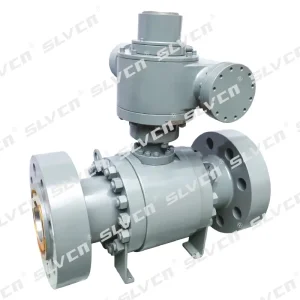
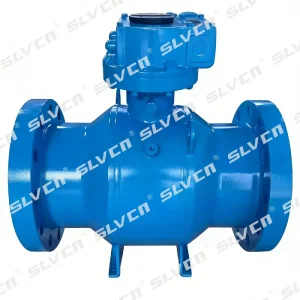
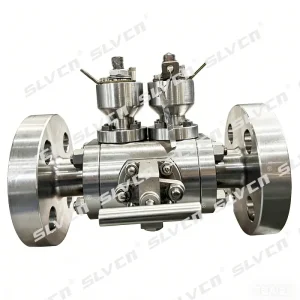
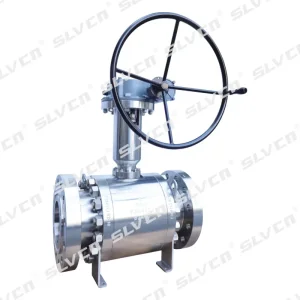
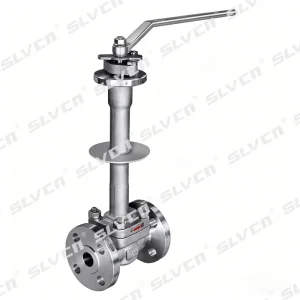
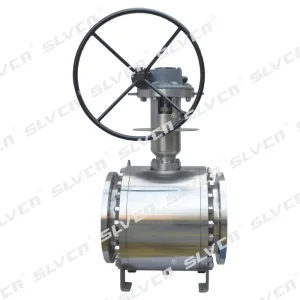
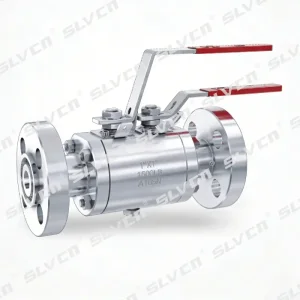
The Evolution of TMBV Manufacturing: A White Paper Overview
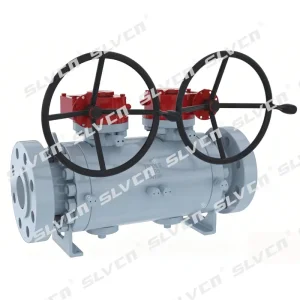
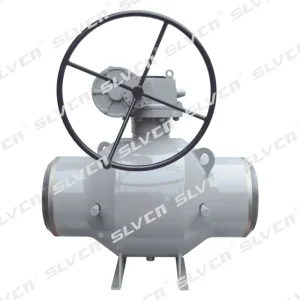
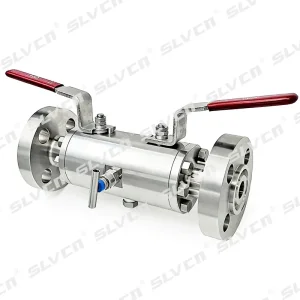
In the modern era of industrial fluid control, the Trunnion Mounted Ball Valve (TMBV) has emerged as the gold standard for critical isolation. As an OEM manufacturer, we have observed a paradigm shift in how global enterprises perceive valve procurement—moving from simple "commodity buying" to "lifecycle asset management."
1. Industry Trends: Beyond Traditional Sealing
The global energy landscape is transitioning rapidly. TMBV manufacturers are now tasked with providing more than just shut-off capabilities. Trends include:
- Zero-Leakage Innovations: With environmental regulations tightening (e.g., LDAR programs), valves must exceed standard API 6D specifications.
- Smart Actuation: Integration of IIoT (Industrial Internet of Things) sensors within valve actuators to provide real-time health monitoring of seals.
- Material Science: Shift toward advanced alloys capable of withstanding cryogenic (-196°C) to high-temperature (550°C+) services within the same project lifecycle.
2. China Factory 4.0: Supply Chain Resilience & Efficiency
As a leading China-based factory, we leverage the "Factory 4.0" initiative to redefine efficiency. Our manufacturing floor is no longer just metal-cutting; it is a data-driven ecosystem.
Supply Chain Resilience: We have digitized our material traceability systems (from casting to final coating), ensuring that every component meets rigorous international standards. This transparency allows global buyers to mitigate the "black box" risks often associated with international procurement, ensuring timely delivery even during global supply chain disruptions.
3. Global Procurement: Aligning Needs with Expertise
Global enterprises, particularly in the Oil & Gas, Petrochemical, and LNG sectors, face a trilemma: Quality, Cost, and Speed. Our OEM model addresses this by aligning with international engineering firms during the FEED (Front-End Engineering Design) phase. By participating early, we optimize valve specifications, reducing unnecessary over-engineering and shortening the supply timeline.
4. Localized Application Scenarios
A TMBV is not a "one-size-fits-all" product.
- Hydrogen Infrastructure: Requires specialized seat materials and high-integrity stem sealing to prevent hydrogen embrittlement.
- Desalination Plants: Focuses on anti-corrosive coatings (Inconel cladding) to survive high-salinity environments.
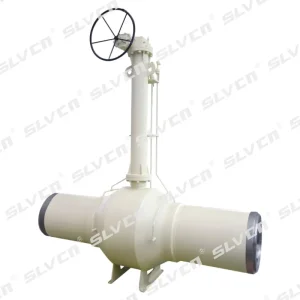
- Transmission Pipelines: Priority is given to high-flow coefficients and long-term, maintenance-free reliability.