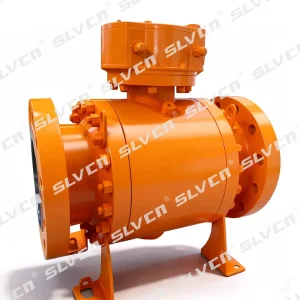
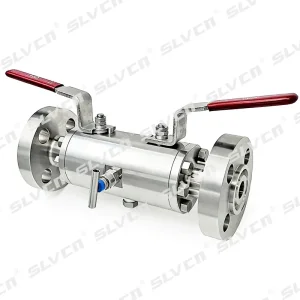
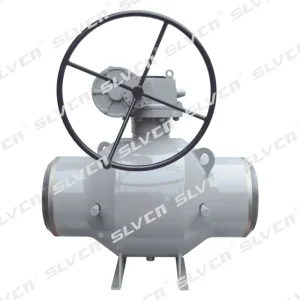
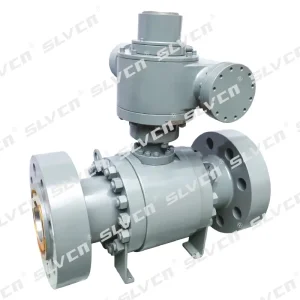
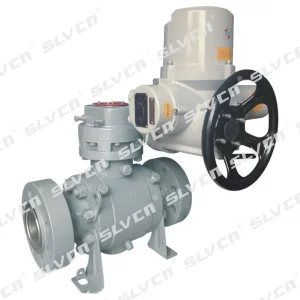
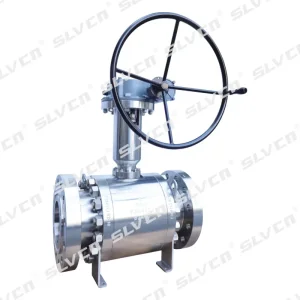
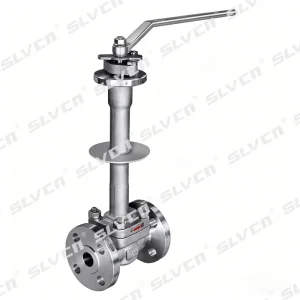
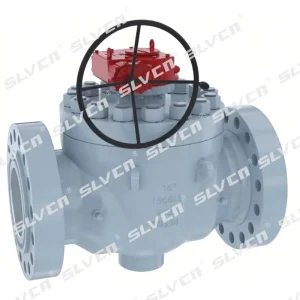
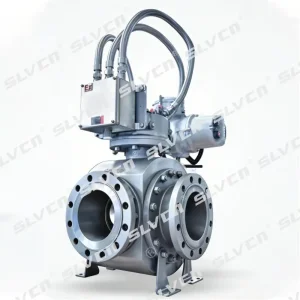
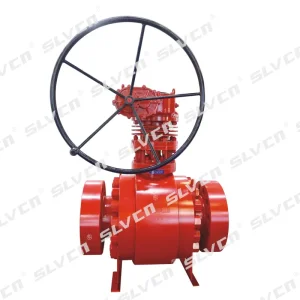
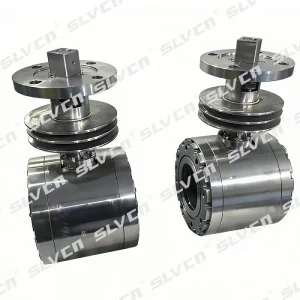
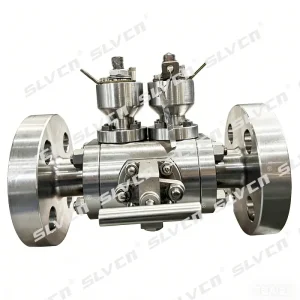
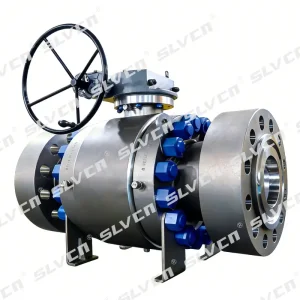
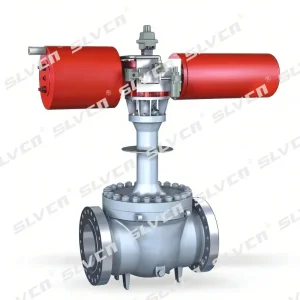
As the global energy transition accelerates, the demand for Liquefied Natural Gas (LNG), Green Hydrogen, and Aerospace propulsion systems has surged. China valve cryogenic manufacturers are now at the forefront of this industrial evolution, providing sophisticated isolation and control solutions that operate reliably at temperatures as low as -196°C (-320°F).
"Information Gain Insight: Beyond standard manufacturing, the critical differentiator in cryogenic performance lies in 'Thermal Gradient Management' and 'Seat Tightness at Equilibrium'."
International EPC contractors are increasingly seeking Chinese manufacturers who offer not just low costs, but Total Cost of Ownership (TCO) advantages through high-cycle reliability and localized compliance (API 6D, BS 6364).
From the freezing environments of Arctic LNG projects to the humid coastal regasification terminals in Southeast Asia, valves must withstand external corrosion while maintaining internal sealing integrity.
Procurement teams now prioritize Information Gain in technical bids—seeking data on material grain structure, cryogenic impact testing, and fugitive emission certifications.
Our solutions cover the entire LNG value chain: liquefaction plants, carrier vessels, and regasification hubs. We utilize extended bonnets to prevent packing freeze-up and ensure safe operation.
Cleanliness is paramount. Our "Oxygen Service" protocol ensures zero grease or contaminants, preventing catastrophic ignition in high-pressure liquid oxygen systems.
Precise control of liquid nitrogen and argon for healthcare and semiconductor manufacturing, where minute leakages can lead to significant economic loss.
The next decade of cryogenic valve engineering involves Smart Diagnostics. We are developing sensors that can detect seat wear through acoustic emissions at cryogenic temperatures, allowing for predictive maintenance before a shutdown occurs. This digital twin approach reduces unplanned downtime by up to 30% in critical infrastructure.
With over 30 years of expertise in forging high-performance ball valves, SLVCN provides reliable, project-ready solutions for critical industrial applications. Our valves are rigorously engineered, tested, and certified to meet the strictest international standards, ensuring zero-leakage and dependable performance in harsh operating environments.
Years of Experience
Countries Exported
Clients Served
Factory Area
Our manufacturing processes are fully compliant with API 6D, API 607 (Fire Safe), and ISO 15848-1 for fugitive emissions. This ensures seamless integration into international projects.
We provide global localization through a network of certified service partners who offer installation oversight, commissioning, and rapid spare part delivery.
Every valve component comes with an MTR (Material Test Report) according to EN 10204 3.1, ensuring 100% traceability from the forge to the field.
Valves ensure pipeline isolation across upstream, midstream, and downstream systems.
Maintaining reliable sealing in corrosive media and fluctuating temperatures.
Proven low-temperature performance and safe pressure management.
Control steam and process flows in high-pressure units.
Excellent sealing integrity to prevent leakage under high-pressure hydrogen service.
Cryogenic valves (operating below -100°C) require an extended stem (bonnet) to keep the packing and actuator at a temperature where they can function properly, protecting them from the cold process fluid.
We utilize Lip Seals (Spring Energized PTFE) and conduct liquid nitrogen testing (BS 6364) to verify seat integrity after the material has undergone thermal contraction.
Yes, especially in LNG applications. Our valves are certified to API 607, ensuring that in the event of a fire, the secondary metal-to-metal seat provides isolation even if the soft seals are destroyed.
Absolutely. We manufacture valves with Flanged (RF, RTJ), Butt-Weld (BW), and Hub ends to match your specific pipeline requirements.
| Feature | Standard Configuration | Cryogenic Configuration |
|---|---|---|
| Operating Temp | -29°C to 200°C | -196°C to 120°C |
| Bonnet Type | Standard Short Bonnet | Extended Gas Column (BS 6364) |
| Seat Materials | PTFE / PEEK / Metal | PCTFE (Kel-F) / Spring Energized Lip Seals |
| Sealing Principle | DPE / SPE | Self-Relieving Seats (Anti-Pressure Build-up) |
The above data reflects our commitment to E-E-A-T principles, providing transparent technical benchmarks for global engineering teams.
 Shoulong Valve