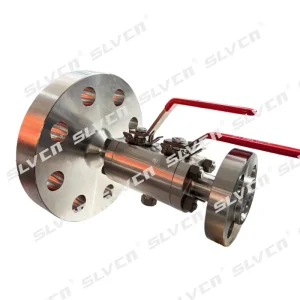
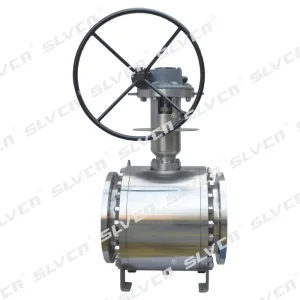
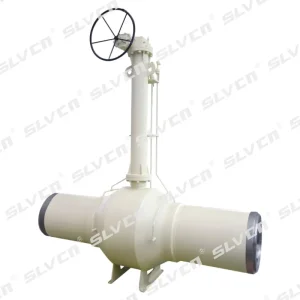
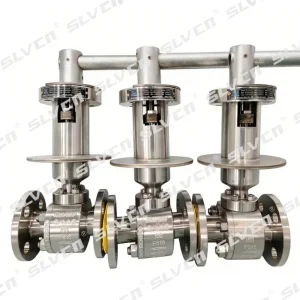
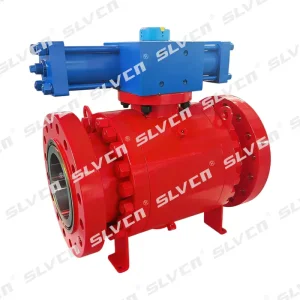
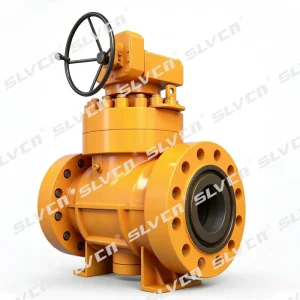
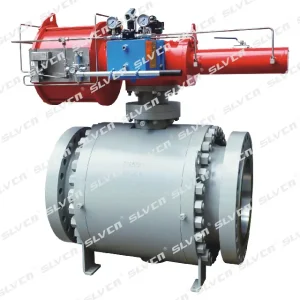
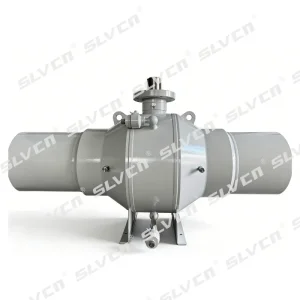
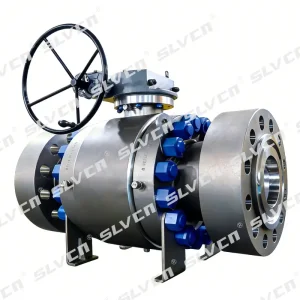
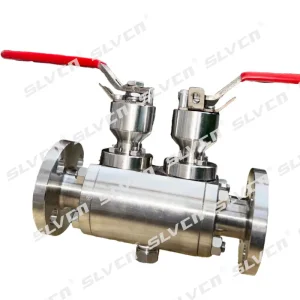
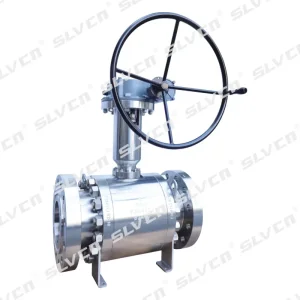
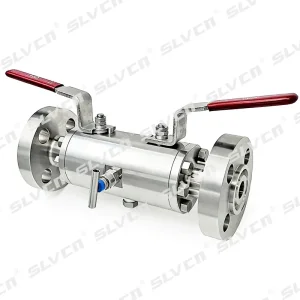
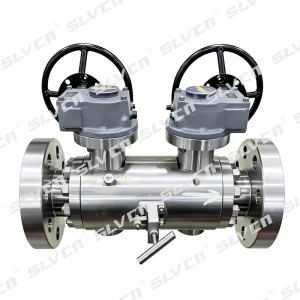
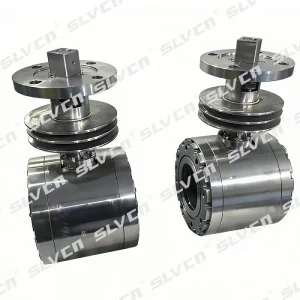
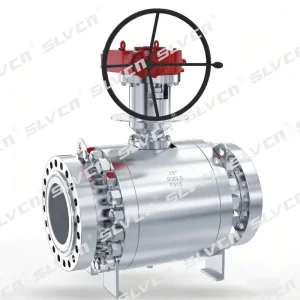
In the landscape of global industrial procurement, the term "China Valve Trunnion Factories" has evolved from a synonym for cost-efficiency to a mark of engineering sophistication. Trunnion-mounted ball valves are the critical gatekeepers of high-pressure infrastructure, including oil and gas pipelines, cryogenic systems, and hydrogen transport networks. As industry requirements tighten regarding safety (API 6D/6A) and environmental compliance, Chinese manufacturers have aggressively pursued R&D, integrating automated manufacturing and advanced metallurgical testing.
The decision to source from China is driven by the Triple-Threat Advantage:
The global demand for trunnion valves is shifting toward "Intelligent Infrastructure." We are seeing a move away from manual operation toward automated, sensor-integrated valves that report on leakage and health status in real-time. Chinese factories are currently spearheading this trend, incorporating IoT-ready actuators directly into their trunnion valve assemblies.
The primary distinction is the mechanical support. In a trunnion valve, the ball is anchored by an upper and lower stem (the trunnion), which absorbs the thrust from line pressure. This reduces the torque required to operate the valve and prevents the seat from wearing unevenly, making it the only choice for high-pressure, large-diameter applications.
Top-tier Chinese valve manufacturers adhere strictly to API 6D, ASME B16.34, and ISO 9001. Modern factories implement rigorous internal Quality Control (QC) systems, including High-Pressure Gas Testing, Cryogenic Testing (-196°C), and Fire-Safe testing (API 607/6FA).
Look for three markers: 1) Proven track record in your specific industry (e.g., Oil/Gas vs. Hydrogen). 2) In-house material traceability (MTRs). 3) Clear evidence of "Information Gain"—factories that share technical white papers, CAD models, and detailed performance specifications upfront demonstrate true expertise.
 Shoulong Valve