Engineered to meet international pipeline standards with verified zero-leakage profiles and extreme pressure capabilities.
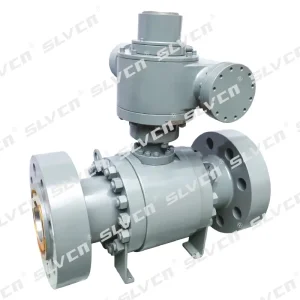
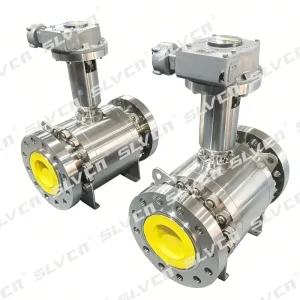
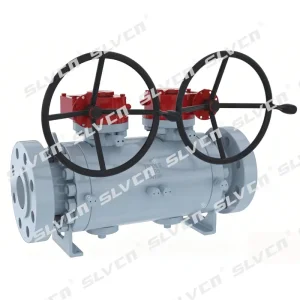
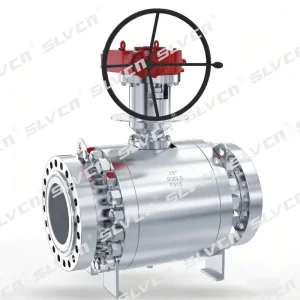
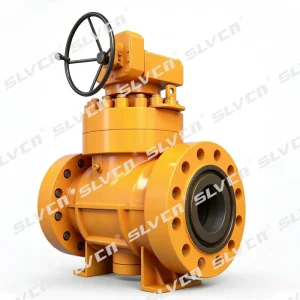
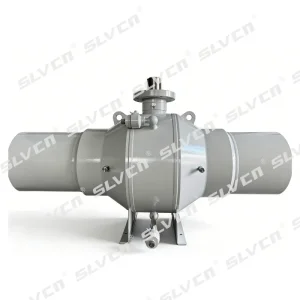
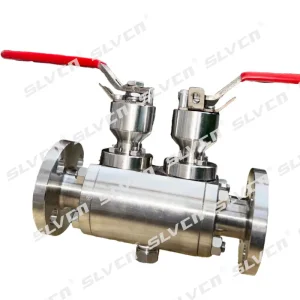
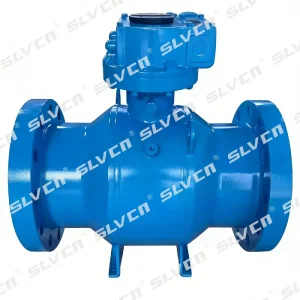
In modern industrial infrastructure, pipeline integrity is not merely a operational metric; it is the cornerstone of environmental compliance, municipal safety, and asset lifecycle optimization. As global networks shift toward tighter emissions controls and highly demanding media delivery systems—including dry natural gas, high-temperature steam, and clean hydrogen mixtures—the demand for advanced flow isolation tech has sky-rocketed. Among these, the fully welded ball valve stands out as the ultimate standard for high-pressure, long-distance transmission pipeline systems.
Procurement teams, engineering consultants, and EPC coordinators face unique challenges when specifying welding ball valves for major international projects. The criteria go beyond simple pricing models; they cover manufacturing traceability, metallurgy validation, design compliance, and long-term operating parameters. When auditing an OEM supplier, engineers must prioritize the following aspects:
1. Material Integrity and Certified Traceability: The integrity of forged carbon steel, low-temperature carbon steel (LTCS), and corrosion-resistant alloys (CRA) must be backed by EN 10204 3.1 or 3.2 certification. This ensures chemical properties and physical strength meet pressure requirements under severe environmental stress.
2. Fugitive Emission Compliance: Modern valve systems must satisfy strict environmental policies. Look for suppliers offering designs certified to ISO 15848-1 Class A or B, minimizing emissions near urban centers or high-consequence areas (HCAs).
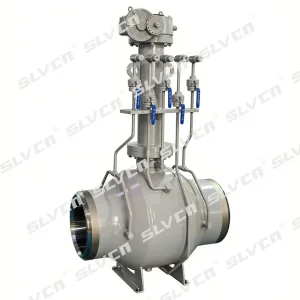
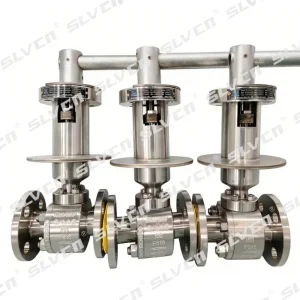
3. Severe Service Customization (OEM Adaptability): High-pressure grids often require specialized stem extensions for underground installation, transition pups for on-site pipeline welding, or custom bypass/drain arrangements. An OEM partner must deliver precise engineering drawings and validation testing before casting or forging begins.
Engineered for safety and reliability across the most demanding industrial fields.
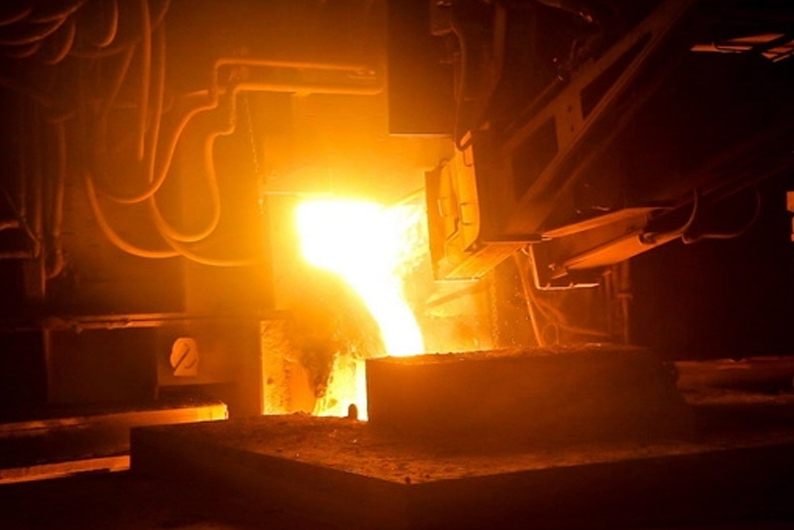
Specially engineered for high-pressure, high-temperature, and cryogenic installations where system failure is not an option.
Over 30 years supporting global EPC projects. We understand actual operating conditions, international approvals, and site-welding challenges.
Every single step is completed under controlled quality management protocols, guaranteeing zero leakage and minimum downtime.
Our valve designs are verified and supplied to highly regulated markets across Europe, the Middle East, and APAC.
The manufacturing process of an OEM welding ball valve requires highly specialized welding protocols. Any heat distortion near the seat area during assembly welding can damage internal elastomeric or thermoplastic insert materials, leading to inline leakage before the valve is even commissioned. Below is the technical roadmap for ensuring structural and sealing integrity during fabrication:
To join the forged body pieces, automated Submerged Arc Welding (SAW) or Gas Tungsten Arc Welding (GTAW) is utilized. Strict control of the interpass temperature is vital. Engineers monitor temperature thresholds on the valve body using real-time sensors to protect the non-metallic seat rings (Devlon, PEEK, or PTFE) from exceeding their thermal degradation limits.
Every single body weld must undergo rigorous Non-Destructive Testing (NDT). This includes ultrasonic testing (UT) and radiographic testing (RT) of all circumferential butt welds to confirm zero porosity, lack of fusion, or micro-cracking, matching API 6D and ASME B31.8 requirements.
Choosing the correct materials is essential when preparing technical specifications for municipal gas pipelines or high-pressure chemical transfer systems:
Critical engineering solutions designed to perform under extreme pressures, temperatures, and fluid media.
Zero-leakage valves for long-distance midstream pipelines, distribution stations, and underground storage terminals.
Corrosion-resistant alloys and metal seated configurations for highly toxic, acidic, or volatile hydrocarbon processing.
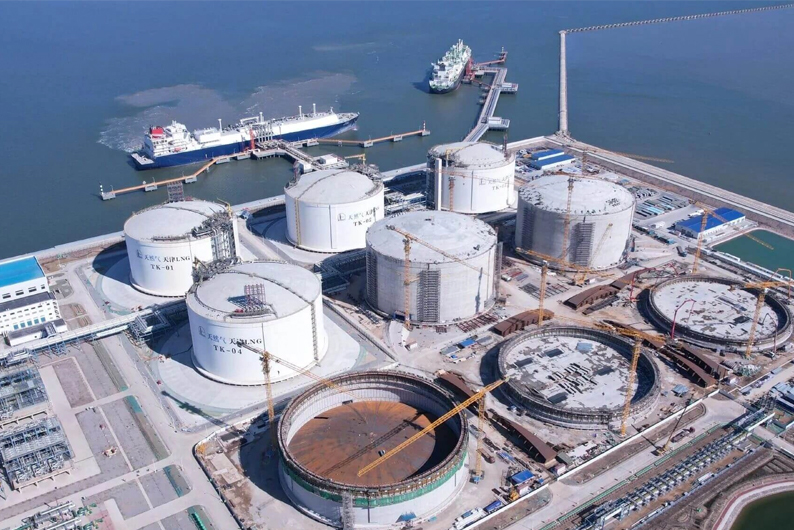
Extended stem designs with thermal relief pathways to safely handle ultra-low temperatures without pressure build-ups.
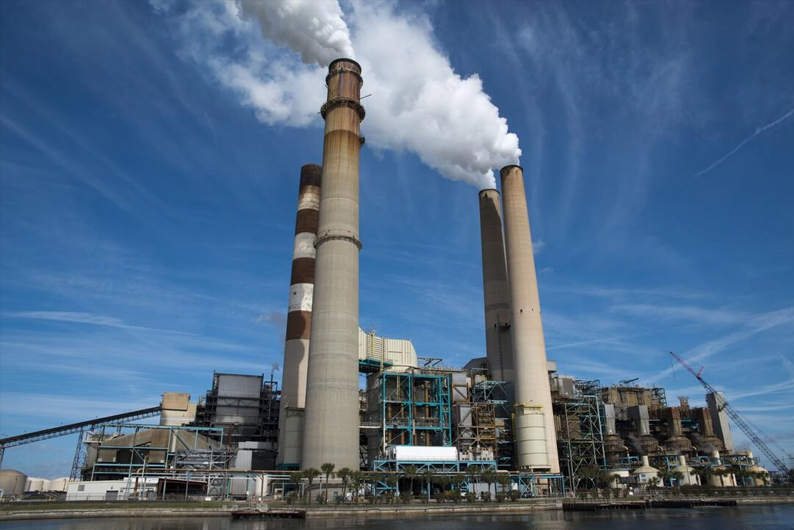
High-pressure, thermal-shock resistant control and isolation systems for steam distribution and cooling loops.
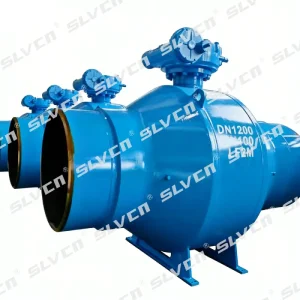
Reliable, corrosion-proof material selections and large-bore designs for municipal water grids and desalination plants.
Advanced low-emission shaft seals and clean metallurgic specifications to prevent hydrogen embrittlement and leakage.
With over 30 years of manufacturing experience in forging high-performance ball valves, SLVCN provides project-ready solutions for critical industrial projects worldwide. Our valves are rigorously engineered, tested, and certified to meet international standards (including API 6D, API 607, ISO 15848-1, and SIL 3), ensuring dependable operation in the harshest environments. Trusted by oil, gas, and utility projects across Europe, the Middle East, and beyond, we deliver the precision and quality that demanding engineering systems require.
From custom stem lengths for buried distribution grids to high-pressure metal seated designs, our team provides full CAD support, material traceability, and prompt localized technical services.
Real-world field applications. Proven durability under intense operating conditions.
Answers to critical engineering questions about design features, testing standards, and field maintenance.
Fully certified designs tailored for high pressure, cryogenic storage, and municipal pipeline systems.
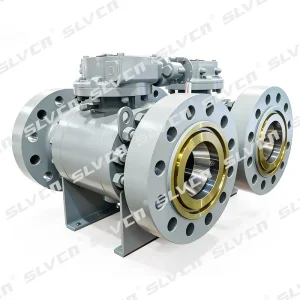
 Shoulong Valve