Panama is more than a geographic bridge; it is the "Great Connection" of global trade. As the host of the Panama Canal, the country facilitates over 6% of global trade volume. For the valve industry, particularly Fully Welded Ball Valves, Panama represents a high-demand market driven by massive infrastructure projects, LNG bunkering services, and the expansion of the Colon Free Zone. The Panama market requires valves that can withstand tropical humidity, high saline environments (marine corrosion), and rigorous safety standards set by the Panama Canal Authority (ACP) and international EPC contractors.

Critical for fuel storage terminals and bunkering stations along the Atlantic and Pacific entrances of the Canal.
Supporting Panama's transition to LNG with high-pressure gas transmission networks required for new power plants.
Urban water management and underground pipeline systems that demand zero-maintenance, fully-welded designs.
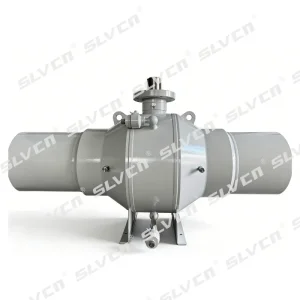
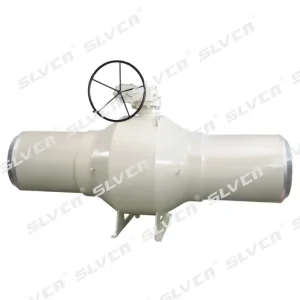
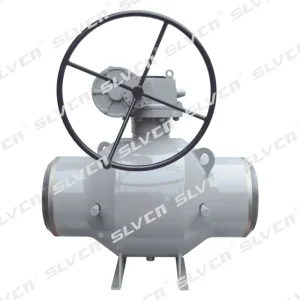
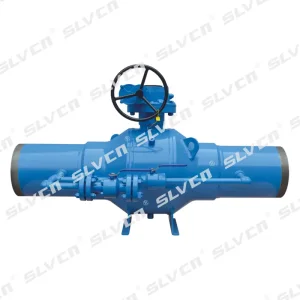
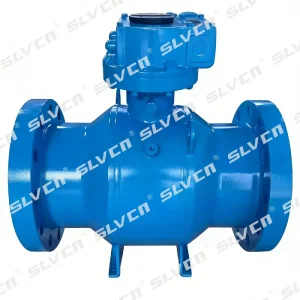
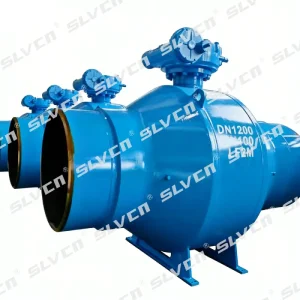
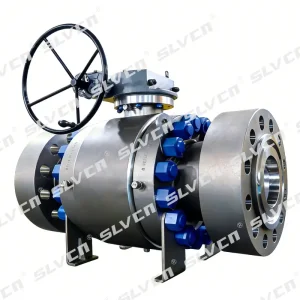
Standard bolted body valves are susceptible to external leakage over time due to gasket degradation and temperature fluctuations. In the Panama Canal Zone, where soil conditions can be unstable and environmental regulations are among the strictest in the world, the Fully Welded Ball Valve has become the preferred choice for engineers.
The synergy between Chinese manufacturing speed and Panama's logistics efficiency creates a competitive edge for contractors.
Chinese factories offer a complete industrial chain, from forging to final assembly, ensuring that Class 600 or Class 900 valves are delivered within 4-8 weeks compared to 20+ weeks from European manufacturers.
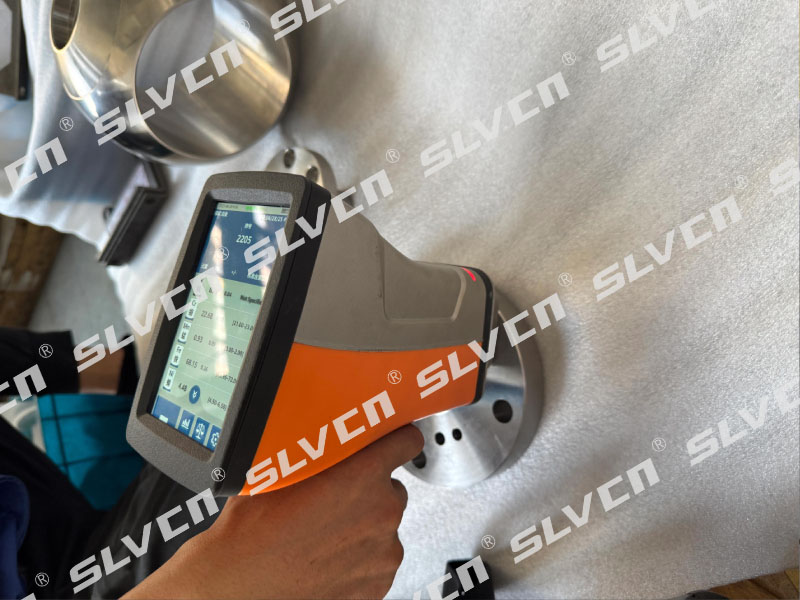
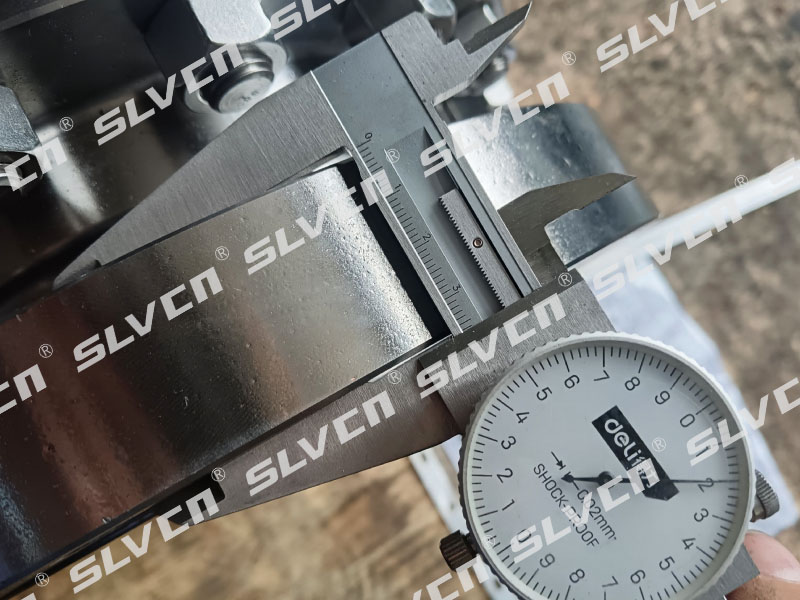
Leading Chinese suppliers adhere to API 6D, API 607 (Fire Safe), and ISO 15848-1 standards, meeting the stringent quality criteria required for international projects in Balboa or Cristobal.
With direct shipping routes from Shanghai/Ningbo to the Panama Canal, transit times are optimized, reducing landing costs for large-scale infrastructure projects.
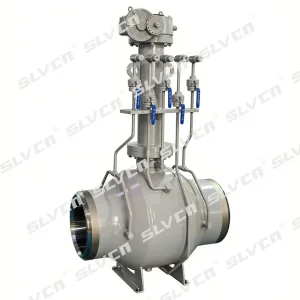
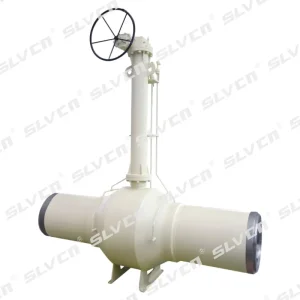
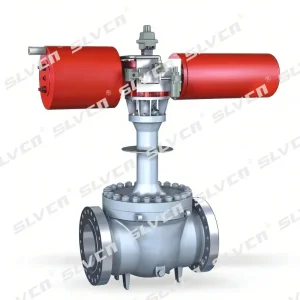
In Panama City’s expanding suburbs, fully welded valves with extended stems are buried deep underground. The seamless body prevents corrosion from the acidic soil of the Isthmus, ensuring a service life of over 30 years without the need for periodic maintenance pits.
For the fuel terminals in the Colon Free Zone, our valves feature DBB (Double Block and Bleed) capabilities. This allows for safe isolation of fluid during ship-to-shore transfers, critical for preventing oil spills in the sensitive ecosystem of the Canal.
The next decade of the Panama industrial market will be defined by "Predictive Maintenance." Our factories are now integrating AI-compatible actuators and sensors into Fully Welded Ball Valves. These systems monitor torque, pressure drops, and cycle counts in real-time, feeding data to centralized control rooms at the Panama Canal Authority, allowing for interventions before a failure occurs.
The high salt content in Panama's coastal air accelerates corrosion in bolted valves. A fully welded body minimizes exposed crevices and threads, significantly reducing the surface area prone to atmospheric and galvanic corrosion.
Yes. We specialize in custom stem extensions (from 500mm to 3000mm) specifically designed for the burial depths required by Panamanian engineering codes, complete with corrosion-resistant coatings like 3LPE or Fusion Bonded Epoxy (FBE).
Every valve undergoes a high-pressure gas test and a low-pressure air test according to API 6D standards. For critical projects in Panama's energy sector, we also offer Helium mass spectrometer leak detection.
Typical manufacturing for standard sizes (2" to 12") is 4-6 weeks. Sea freight from China to Panama takes approximately 25-30 days via the direct Trans-Pacific route.
 Shoulong Valve