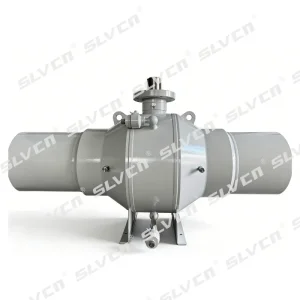
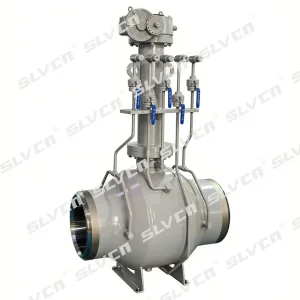
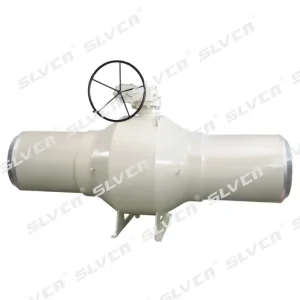
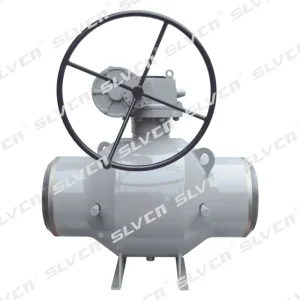
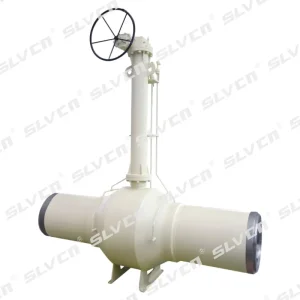
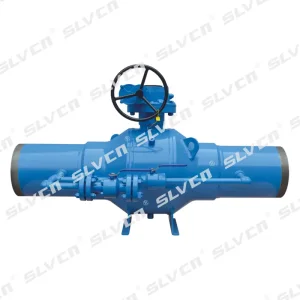
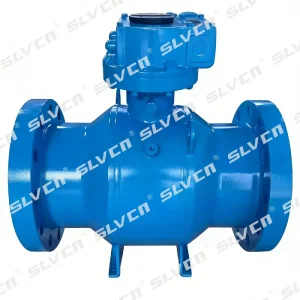
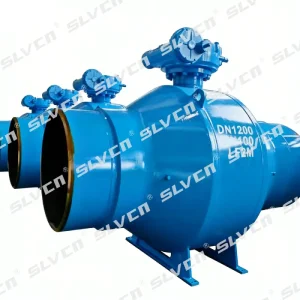
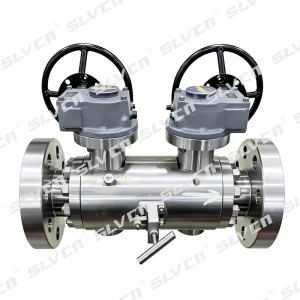
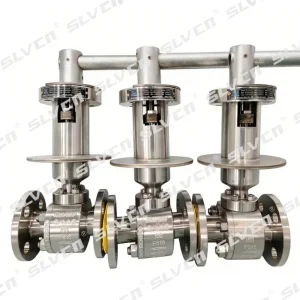
The Russian energy sector, characterized by its vast pipeline networks stretching across Siberia and the Arctic circle, presents unique engineering challenges. Operating in these regions requires equipment that can withstand extreme temperature fluctuations (down to -60°C) and the high-pressure demands of long-distance natural gas and oil transmission. Our fully welded ball valves are designed not just for reliability, but for survivability in these critical, harsh environments.
Unlike bolted valves, fully welded ball valves eliminate potential leakage paths at body joints. For buried underground pipelines, this is the gold standard for safety and integrity. By eliminating bolted connections, the risk of fatigue-related leaks due to ground shifts or thermal expansion is virtually removed. This is critical for the Russian infrastructure landscape, where maintenance is difficult and costly.
We understand that entering the Russian market requires strict adherence to GOST standards and TR CU (EAC) certification. Our manufacturing process incorporates these local compliance requirements early, ensuring your customs clearance and field inspections are seamless.
We utilize specialized Low-Temperature Carbon Steel (LTCS) such as A350 LF2 and austenitic stainless steels for internal trim, ensuring Charpy V-notch impact test requirements are met to prevent brittle fracture in sub-zero Russian climates.
A: Yes, our engineering team is well-versed in GOST standards. We can provide valves configured for the pressure ratings and metallurgical requirements common to the Russian pipeline network.
A: We work with established logistics partners who specialize in cross-border trade, ensuring all necessary customs documentation, including Certificates of Origin and compliance paperwork, are correctly handled.
A: Depending on the complexity and volume, our manufacturing cycle is optimized for efficiency. We provide detailed production schedules and project milestones for large-scale energy projects.
 Shoulong Valve