Expert Engineering Solutions for the Jordan Energy & Industrial Market
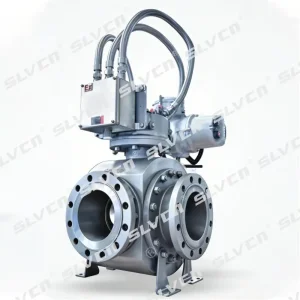
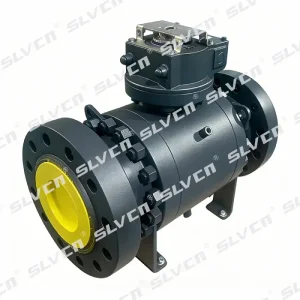
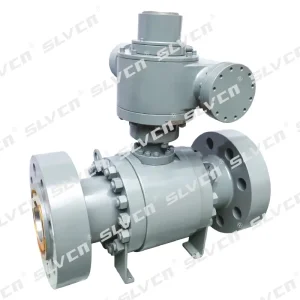
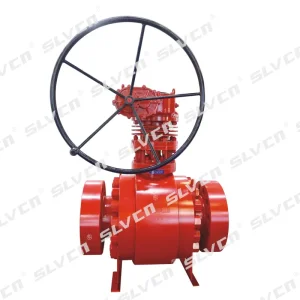
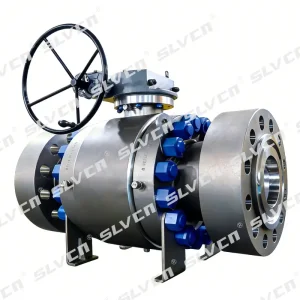
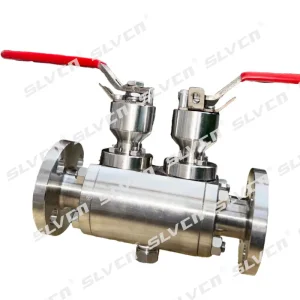
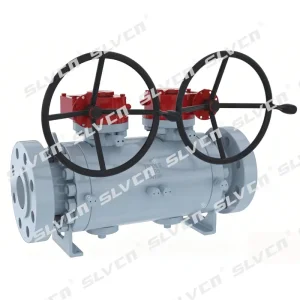
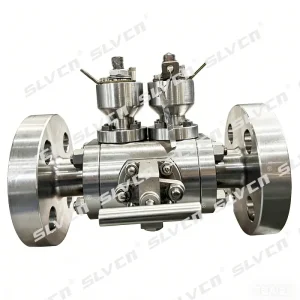
Send Inquiry NowJordan’s industrial landscape is rapidly evolving, driven by the need for energy security and infrastructure modernization. The Hashemite Kingdom has become a critical node in regional energy dynamics, particularly through the expansion of the Aqaba LNG Terminal and the upgrading of cross-border gas pipelines. Trunnion Mounted Ball Valves (TMBVs) serve as the backbone of these critical systems.
Unlike floating ball valves, trunnion-mounted designs provide mechanical support at both the top and bottom of the ball, drastically reducing operational torque and ensuring tight shut-off under high-pressure conditions—a mandatory requirement for the harsh, arid environments of the Middle East.
Jordan’s specific industrial challenges—including sand abrasion, significant temperature fluctuations, and aggressive process media in chemical/phosphate industries—require valves with advanced material integrity. Our factory-grade TMBVs are tailored for:
The global valve market is shifting from commodity procurement to lifecycle-cost optimization. Modern TMBVs now incorporate Predictive Maintenance Integration, allowing sensors to monitor real-time leakage and seat wear. Furthermore, the global drive towards decarbonization means that future-proof valves must support hydrogen-blend gas transmission, requiring specialized sealing technologies that prevent embrittlement.
Our manufacturing philosophy focuses on "Zero-Leakage Architecture." By utilizing finite element analysis (FEA) during the design phase, we optimize body wall thickness and seat loading. Future iterations of our TMBV lineup will feature:
Q: Why is a Trunnion Mounted Ball Valve preferred over Floating Ball Valves for high-pressure systems?
A: Trunnion valves secure the ball in place, meaning the fluid pressure is transferred to the bearings, not the seats. This allows for lower operating torque and consistent sealing even as pressure changes.
Q: How do your valves handle the harsh desert conditions in Jordan?
A: We utilize specialized surface coatings and sealing materials designed to resist grit intrusion and thermal expansion, ensuring long-term reliability in extreme climates.
Q: Do you support API 6D standards?
A: Yes, our factories rigorously adhere to API 6D and other international standards required for pipeline and oil/gas service.
 Shoulong Valve