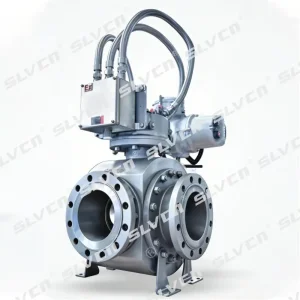
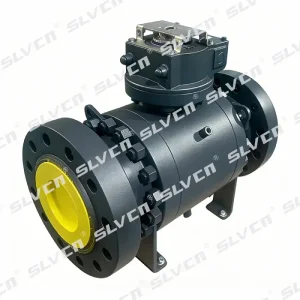
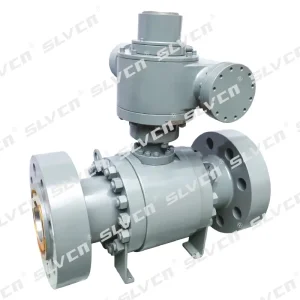
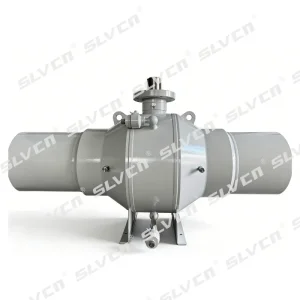
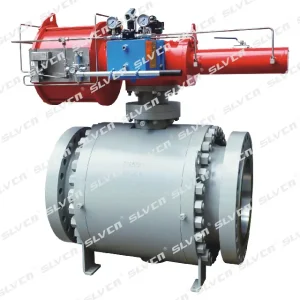
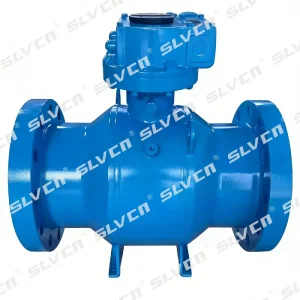
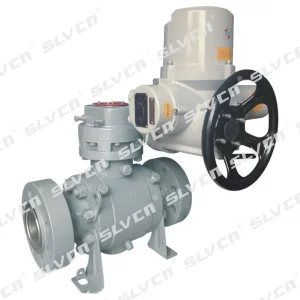
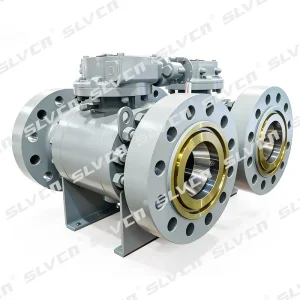
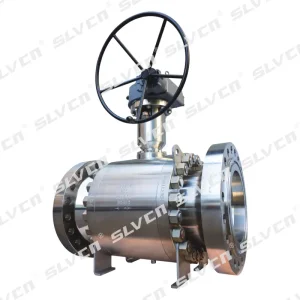
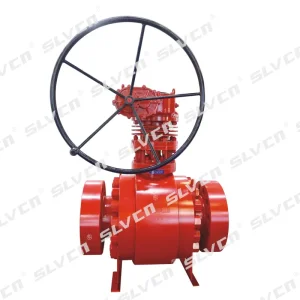
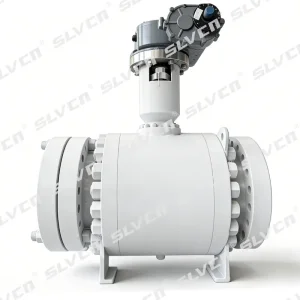
Engineered for extreme temperature, high pressure, and zero-leakage isolation in critical petrochemical pipelines and storage installations.
As Europe's second-largest port and home to the largest integrated chemical cluster in Europe, the Port of Antwerp-Bruges presents some of the world's most demanding process environments. The local refineries, chemical storage terminals, and hydrocarbon transportation pipelines operate under high pressures, extreme temperatures, and corrosive media conditions. In this critical infrastructure, pipeline isolation is paramount.
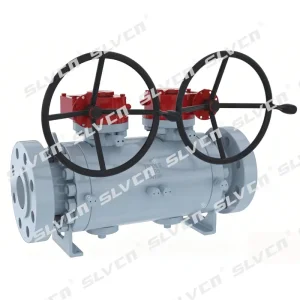
Trunnion mounted ball valves (TMBVs) serve as the primary mechanism for emergency shutdown, pipeline segmentation, and product isolation. For companies operating along the Scheldt river or within the Antwerp petrochemical zone (including players like BASF, Covestro, and TotalEnergies), selecting the correct valve specification determines plant safety, regulatory compliance, and environmental protection. High-integrity Double Block and Bleed (DBB) valves are particularly vital to avoid cross-contamination of chemical shipments during transfer and storage operations.
Unlike floating ball valves where the pressure forces the ball against the downstream seat, a trunnion mounted design mechanically anchors the ball at the top and bottom. This prevents the ball from displacing under high differential pressures, transferring the hydraulic load directly into the valve body.
Given the saline atmosphere of the Port of Antwerp and the aggressive nature of chemicals handled (such as ethylene oxide, chlorine, and ammonia), selection of pressure-containing materials is critical. While standard forged carbon steel (ASTM A105N or LF2) is common for general hydrocarbon service, corrosive environments demand premium alloys:
Global procurement managers in Antwerp require three things: uncompromising quality, transparent documentation, and lead-time reliability. Chinese manufacturing facilities have evolved beyond high-volume production to become centers of advanced valve engineering. By implementing vertical integration (from raw forging shops to automated CNC machining and cryogenic test labs), our China-based factories guarantee:
1. **Strict Quality Assurance:** 100% material traceability with EN 10204 3.1 and 3.2 certification, NDT (Non-Destructive Testing) such as Radiographic, Ultrasonic, Magnetic Particle, and Dye Penetrant testing. 2. **Regulatory Compliance:** Our valves conform fully to API 6D, API 607 (fire safe), CE-PED (Pressure Equipment Directive), and ATEX for explosive atmospheres. 3. **Cost and Logistics Advantages:** Efficient manufacturing processes combined with direct logistics paths from Chinese ports to the Port of Antwerp ensure project deadlines are met without compromising CAPEX targets.
Engineered for high reliability, providing secure isolation across critical processing networks.
Valves ensure pipeline isolation and safe operation across upstream, midstream, and downstream networks in the Antwerp-Rotterdam-Amsterdam (ARA) pipeline corridor.
VIEW MOREMaintaining reliable bubble-tight sealing and stable operation in corrosive chemicals and high process thermal fluctuations.
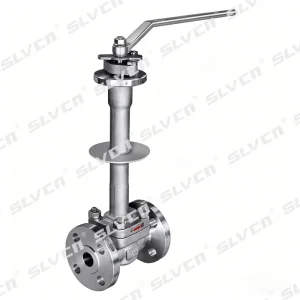
VIEW MOREExtended bonnet configurations providing high thermal insulation and bubble-tight sealing down to -196°C at LNG terminals.
VIEW MOREControlling critical high-pressure and high-temperature steam utility networks within Antwerp municipal and industrial power plants.
VIEW MORECorrosion-resistant duplex alloy valves designed for brackish water treatment and industrial cooling systems.
VIEW MOREZero-emission packing and tight metallic seals designed for high-pressure hydrogen storage and transmission grids.
VIEW MOREEvery step of the manufacturing process is certified to meet European safety directives and project specifications.
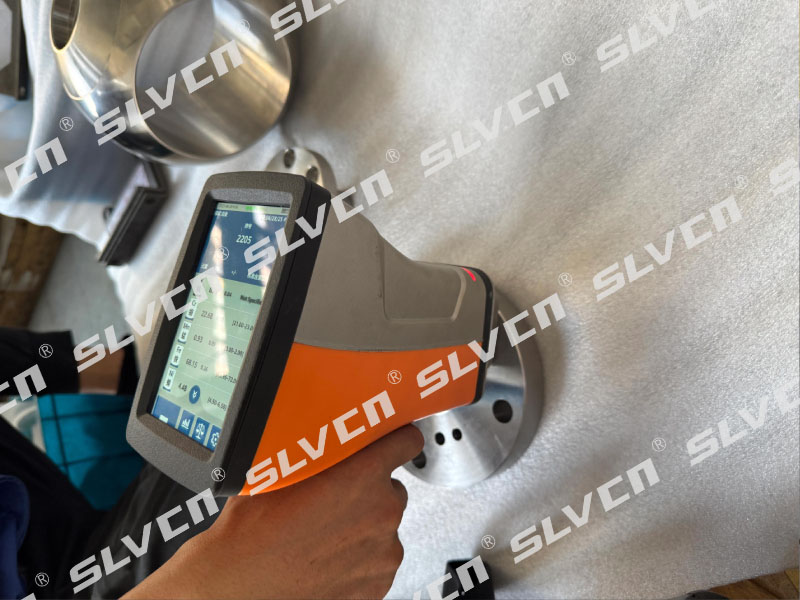
Full spectroscopic analysis and mechanical testing of forgings with complete traceability.
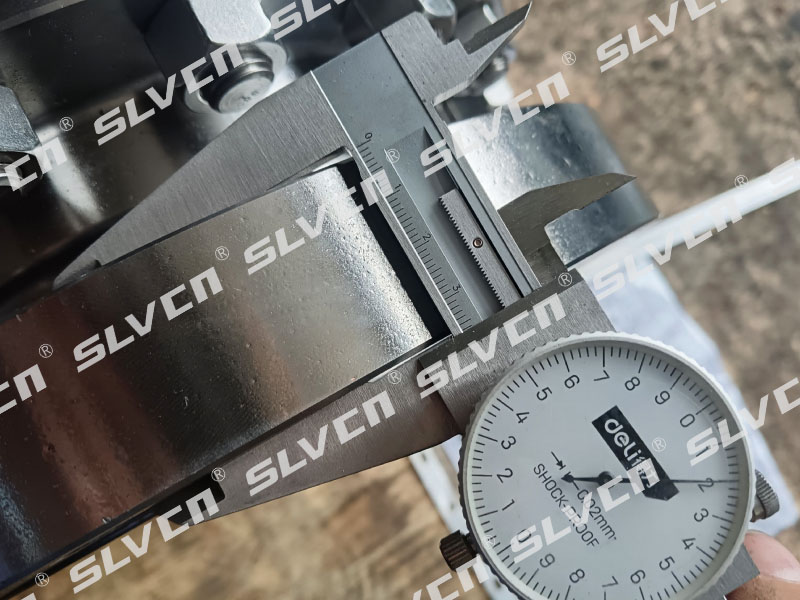
Tolerances within microns on spherical surfaces to ensure low operating torque and tight sealing.
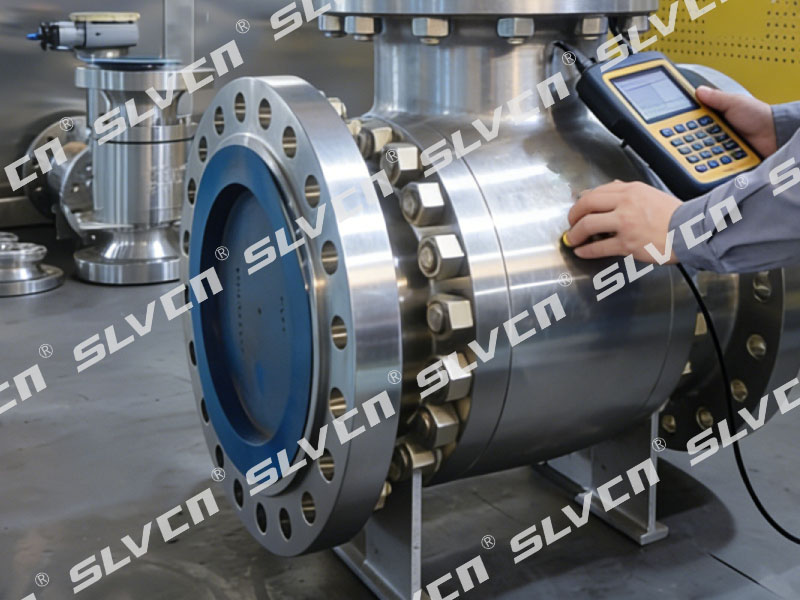
Assembled in dust-free zones by certified technicians to protect seat and seal integrity.
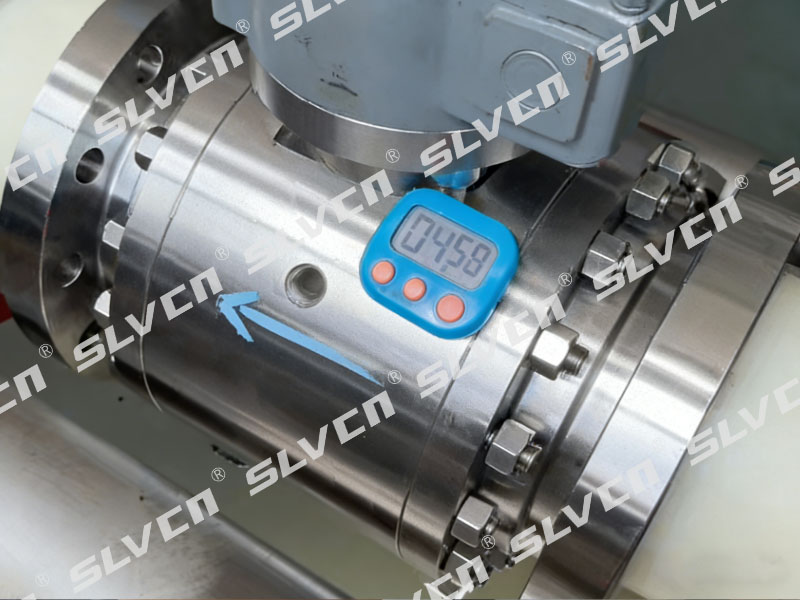
Hydrostatic shell, high/low pressure gas testing, and emissions sniffing to assure zero-leakage.
Addressing core engineering questions regarding Trunnion Ball Valve installation, certifications, and operations in Antwerp refinery projects.
Explore our highly certified trunnion and cryogenic valves designed to secure your heavy industrial systems.
 Shoulong Valve