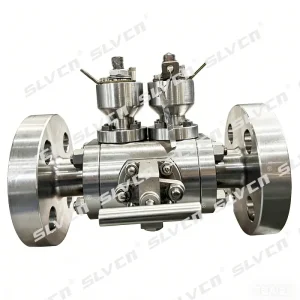
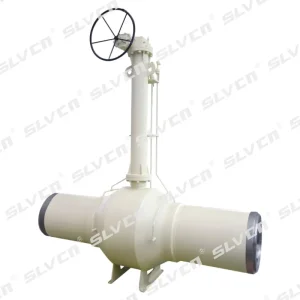
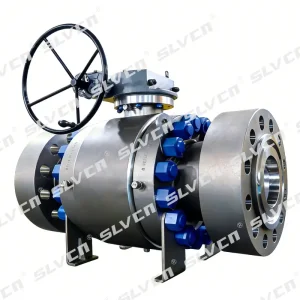
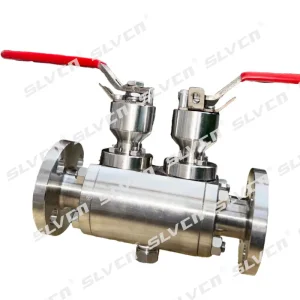
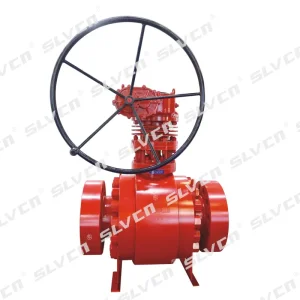
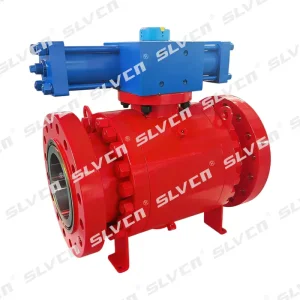
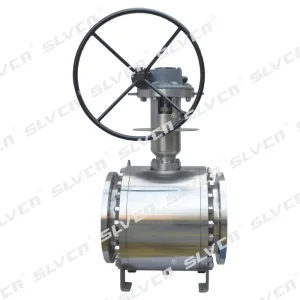
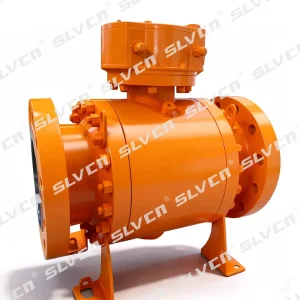
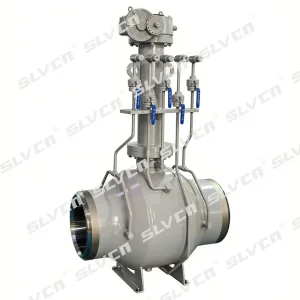
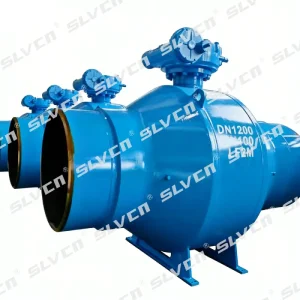
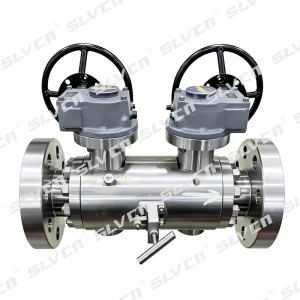
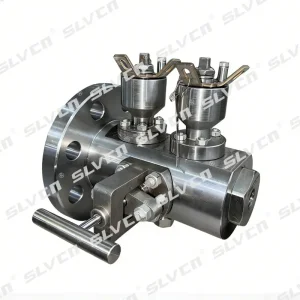
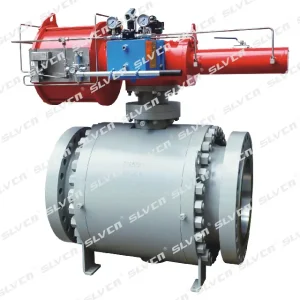
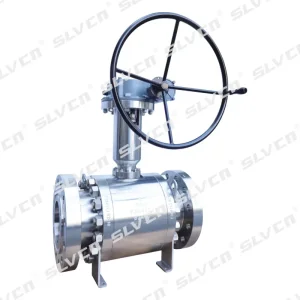
In the landscape of fluid control, the Ball Valve Extended Stem is not merely an accessory; it is a critical engineering safeguard. Designed primarily for cryogenic services, underground installations, and hazardous media management, the extended stem ensures that the valve's manual or automated operation remains accessible and protected from environmental stressors. As global industrial demands shift towards higher safety protocols, partnering with professional manufacturers and factories that specialize in these configurations has become the cornerstone of infrastructure resilience.
Integration of IoT sensors with valve stems allows for real-time monitoring of torque and seal integrity, reducing unplanned downtime in oil and gas refineries.
New material alloys for extended stems in LNG applications are improving thermal isolation, preventing ice formation at operating temperatures down to -196°C.
Manufacturers are shifting to low-emission manufacturing processes to meet global carbon footprint requirements, focusing on fugitive emission reduction.
The modern Chinese valve manufacturing sector has evolved beyond simple fabrication. Implementing Industry 4.0 standards, factories now utilize:
For international buyers, the "Extended Stem" is synonymous with custom engineering. Procurement teams now prioritize:
Extended stems enable safe operation from above ground level, allowing easy maintenance access without digging up the pipeline.
Cryogenic extended stems prevent the transfer of extreme cold to the valve's actuator or gearbox, protecting electronic and mechanical components.
Allows for physical separation between the actuator and the valve body, providing a safety buffer in case of seal leakage involving toxic media.
A: The length is determined by the installation depth, the thickness of insulation (for cryogenic applications), and the accessibility requirements of the actuator. Contact our engineering team for a customized assessment.
A: While most trunnion-mounted valves can be fitted with extended stems, it requires precise mechanical adjustment to ensure no misalignment or shear stress occurs during operation.
A: Reputable manufacturers operate under strict QMS (Quality Management Systems), utilizing non-destructive testing (NDT), hydrostatic testing, and third-party inspections to meet international standards (API/ASME).
 Shoulong Valve