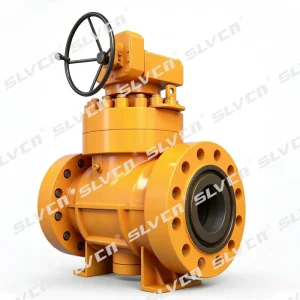
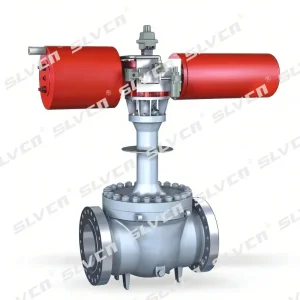
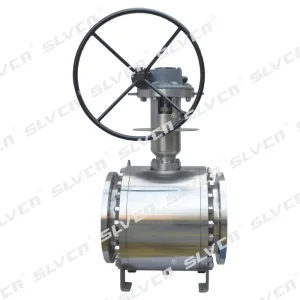
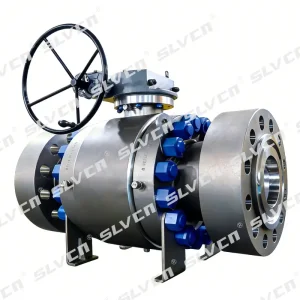
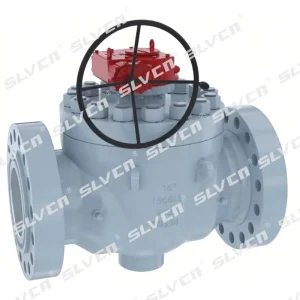
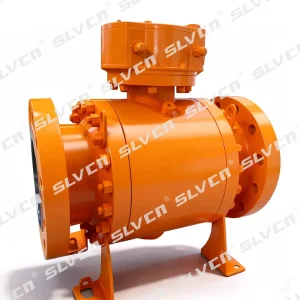
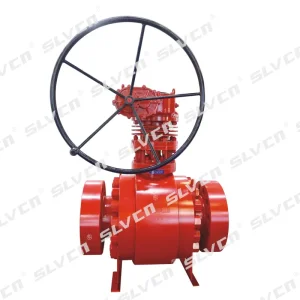
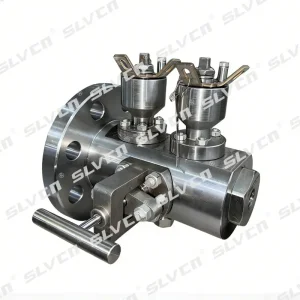
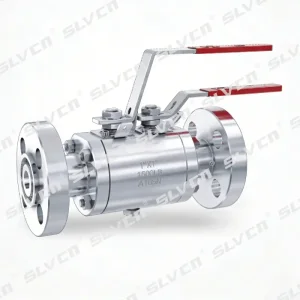
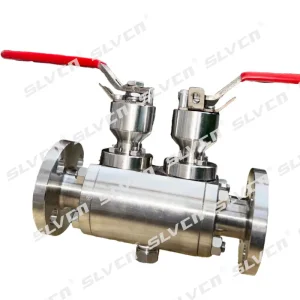
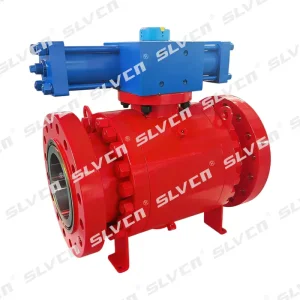
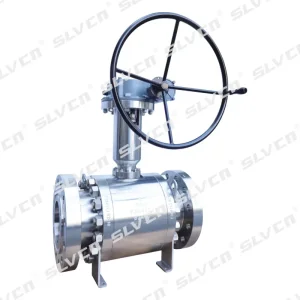
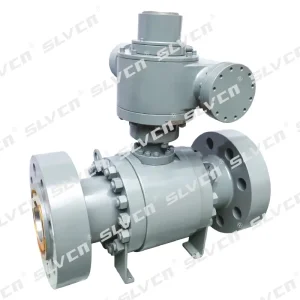
The global industrial valve market is undergoing a seismic shift driven by the "Industry 4.0" revolution. As a leading manufacturer, we observe three critical trends: Digitalization of Flow Control (integration of smart sensors for predictive maintenance), Material Science Innovation (adapting to Hydrogen blending mandates), and Modular Automation. Trunnion-mounted valves are no longer just isolation devices; they are the data-gathering heartbeat of modern piping systems.
Sourcing "High-Quality" suppliers in the current market requires moving beyond price benchmarking. Global enterprises are emphasizing:
Whether in the Middle East's oil fields or Europe's chemical processing hubs, localized support is the differentiator. Our strategy integrates localized engineering consulting with a centralized, high-efficiency manufacturing hub. This allows us to provide custom-engineered solutions for extreme environments—ranging from cryogenic -196℃ services to high-temperature metal-seated applications up to 550℃—without compromising lead times.
Our R&D roadmap focuses on "Zero-Leakage Assurance." By optimizing the trunnion-support structure and utilizing advanced coating technologies (HVOF), we are pushing the boundaries of what these valves can withstand. The future involves self-lubricating trim materials and enhanced anti-blowout designs, ensuring that even under the most volatile pressure surges, pipeline safety remains uncompromised.
Trunnion-mounted valves offer mechanical support to the ball, reducing operating torque significantly, especially in high-pressure (Class 600+) applications. This design ensures consistent sealing integrity regardless of line pressure.
The DBB configuration allows for the isolation of both upstream and downstream flow simultaneously, with a drain port in the center cavity to verify seal integrity. It is critical for maintenance safety in hazardous fluid transport.
Yes. Our engineering team utilizes specific trim materials and elastomers rated for H2 compatibility, preventing hydrogen embrittlement and ensuring long-term seal reliability.
We implement a multi-stage Quality Control plan: Raw material PMI (Positive Material Identification), 100% hydrostatic and pneumatic testing, and cycle life testing to meet international, non-negotiable performance benchmarks.
 Shoulong Valve