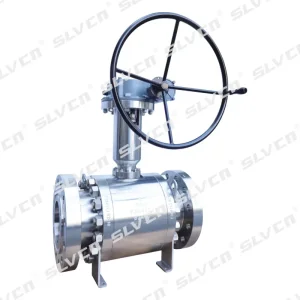
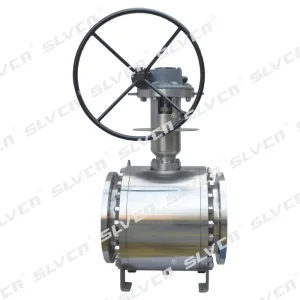
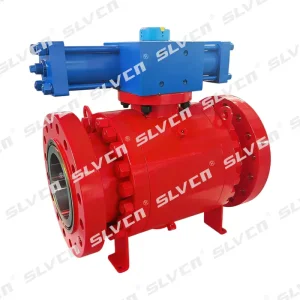
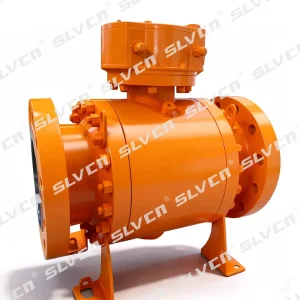
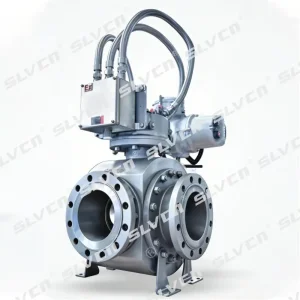
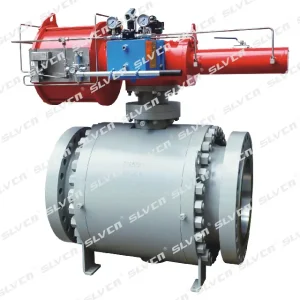
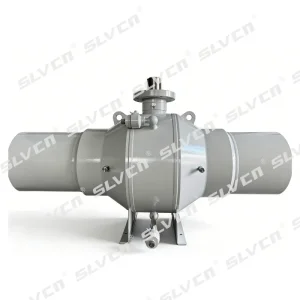
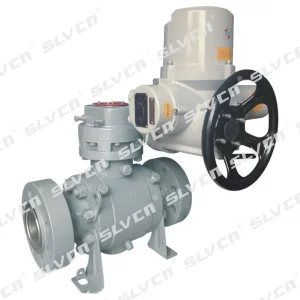
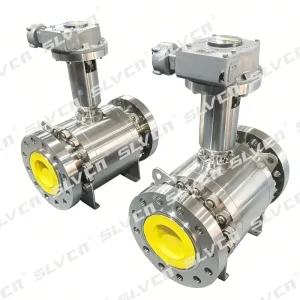
The pipeline ball valve industry is currently undergoing a structural shift driven by three primary factors: Decarbonization, Digitalization, and Extreme Environment Adaptation. As global energy transitions toward Hydrogen and LNG, traditional valve manufacturing is pivoting toward materials science that prevents hydrogen embrittlement while maintaining cryogenic stability at -196°C.
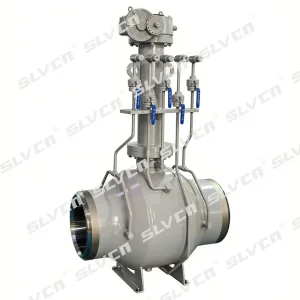
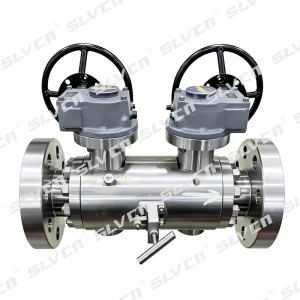
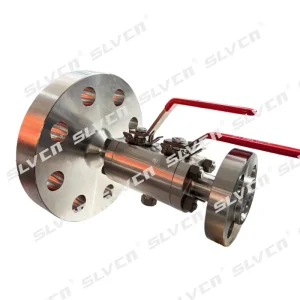
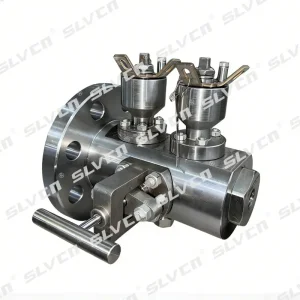
DBB (Double Block & Bleed) Evolution: Our commitment to zero-leakage is realized through precision machining of the valve seat and ball. By integrating dual-sealing mechanisms, our DBB valves offer critical isolation capabilities that prevent cross-contamination in multi-product pipelines.
Material Integrity: We utilize advanced forging technologies (A105, F316, F22) to ensure structural robustness in high-pressure (Class 2500) applications, essential for modern subsea and cross-country natural gas transport.
From petrochemical refineries to water desalination plants, our valves serve as the "heart" of the flow control system. We specialize in:
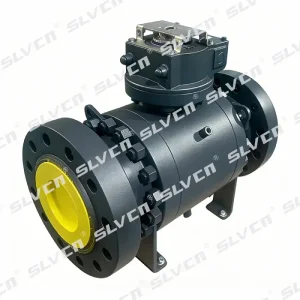
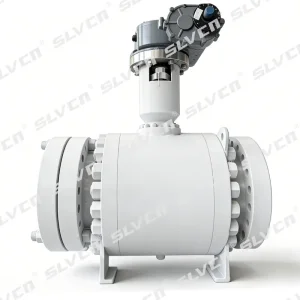
A: The Trunnion design secures the ball between two trunnions, reducing torque and ensuring that the seat remains in contact with the ball regardless of pressure fluctuations. This design is critical for high-pressure, large-diameter pipeline stability.
A: DBB valves provide two sealing surfaces with a bleed port in between, allowing operators to verify the seal integrity without disconnecting the valve from the line. This is essential for safety and maintenance in hazardous media applications.
A: We employ CNC precision machining and rigorous ISO 5211 testing standards. Every valve undergoes hydrostatic and pneumatic pressure testing to exceed API 6D and ASME standards, ensuring compliance for international projects.
 Shoulong Valve