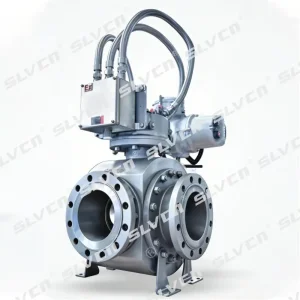
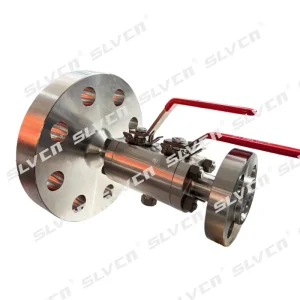
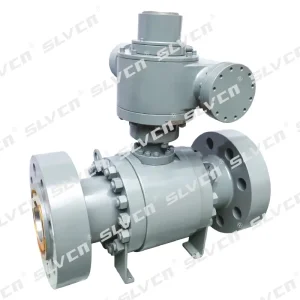
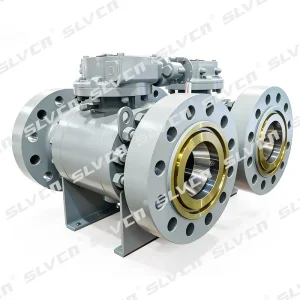
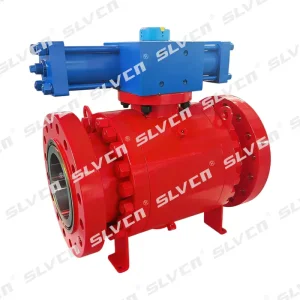
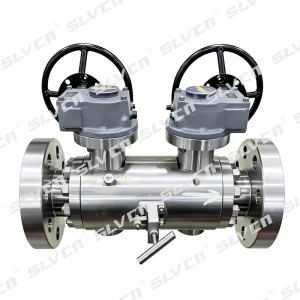
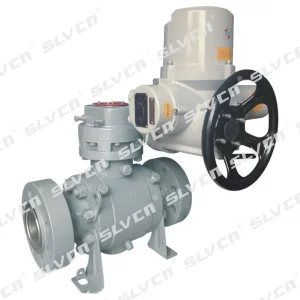
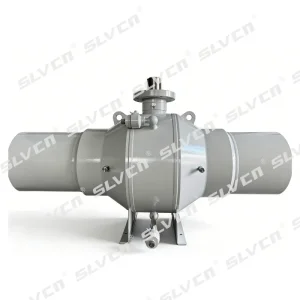
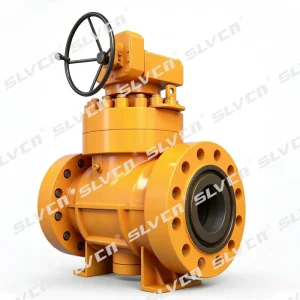
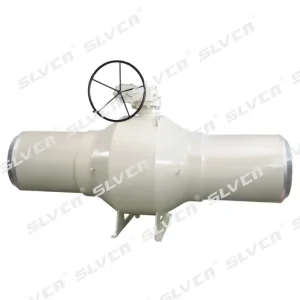
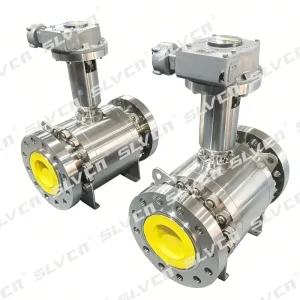
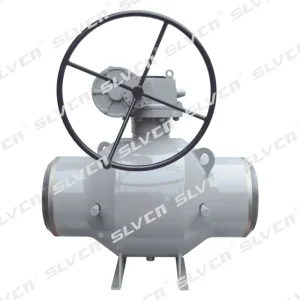
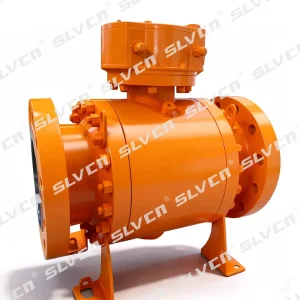
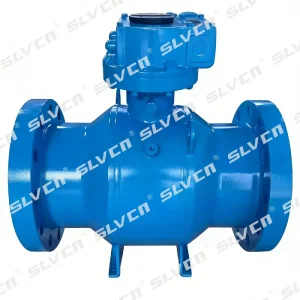
In the landscape of industrial fluid control, the selection between Full Bore and Reduced Port ball valves is a critical engineering decision. As a seasoned SEO Growth Director, I emphasize that "Reduced Port" does not imply a compromise in quality—it represents an engineering optimization for specific pressure drop management and cost efficiency. Reduced port valves are often preferred in throttling applications or where a slight pressure drop is acceptable to reduce the overall cost of the valve and the size of the required actuator.
Reduced port ball valves have evolved into specialized tools across various sectors. Their compact footprint makes them ideal for:
Why are global procurement managers increasingly turning to Chinese factories for OEM needs? The shift is not just about cost—it is about **Supply Chain Resilience**. Chinese valve manufacturing clusters (such as those in Zhejiang and Jiangsu) have vertically integrated. From raw material sourcing (forging, casting) to advanced CNC machining and NDT (Non-Destructive Testing) certification, these facilities offer a "turnkey" solution. By adhering to international standards (API 6D, ISO 5211, ASME B16.34), these factories ensure that their output meets the rigorous demands of global energy markets.
The future of the ball valve industry lies in the convergence of mechanical engineering and Industrial IoT (IIoT). We are currently in the transition phase of "Smart Valves":
True OEM success depends on bridge-building between the factory floor and the end-user's site. Leading Chinese manufacturers now provide:
Reduced Port valves are generally more cost-effective and lighter, and they require less torque to operate. This makes them ideal for systems where a slight pressure drop is acceptable and where you want to minimize actuator size and project costs.
Quality is ensured through a multi-stage process: raw material traceability (MTRs), in-house CNC precision machining, 100% hydrostatic and pneumatic testing, and rigorous adherence to international standards such as API 6D and fire-safe certifications.
Yes. Our engineering team specializes in material selection (such as Stellite hardfacing or specialized alloys) and design modifications (extended stems, cooling fins) to ensure reliable operation in environments up to 550℃.
 Shoulong Valve