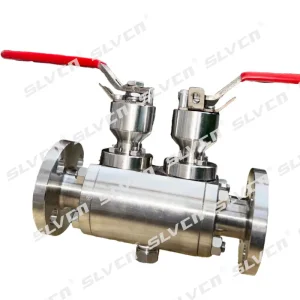
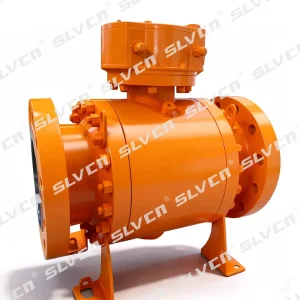
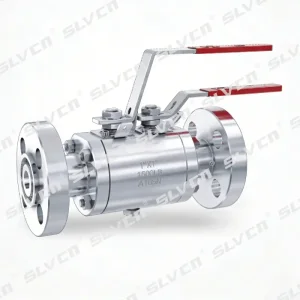
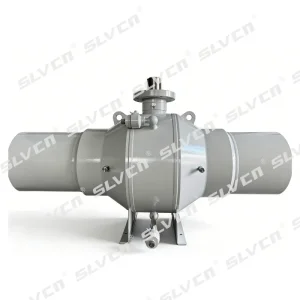
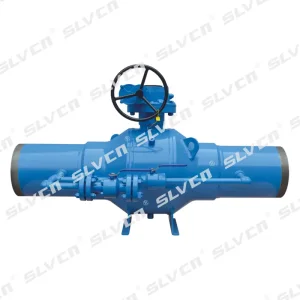
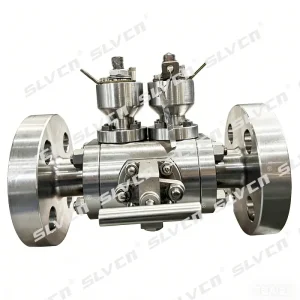
In the complex architecture of modern industrial infrastructure, stainless steel ball valves are not mere components; they are the gatekeepers of safety, efficiency, and environmental compliance. As a senior SEO Growth Director, I observe a distinct shift in search intent: global procurement managers are moving beyond simple price-searching toward “Contextual Authority”. They are seeking manufacturers who can demonstrate deep technical mastery in material science, pressure ratings, and leakage prevention—specifically, Double Block and Bleed (DBB) capabilities.
The manufacturing landscape for stainless steel ball valves in China has undergone a massive transformation over the last decade. It has transitioned from mass production to high-end, precision-engineered manufacturing. The "Factory-Direct" model, when paired with rigorous international certifications (API 6D, CE, ISO), offers a unique competitive edge:
The global demand is currently focused on three pillars: Zero-Leakage Technology, Automation Compatibility, and Material Versatility (Cryogenic/High-Temp). As energy infrastructure pushes into more extreme environments—from ultra-deepwater drilling to hydrogen transport—the "standard" ball valve is no longer sufficient. Buyers are prioritizing factories that offer "Engineering Solutions" rather than just a product catalog. This means asking for custom actuation mounts, fugitive emission testing reports, and long-term warranties that guarantee operational uptime.
We adhere to strict API 6D and API 598 testing protocols. Our quality control encompasses non-destructive testing (NDT), dye-penetrant inspection, and shell/seat pressure tests to ensure every valve meets the "Zero-Leakage" criteria required for hazardous media.
With over 30 years of experience, we do not just manufacture; we consult. Our engineering team helps clients select the right seal materials—whether PTFE, PEEK, or metal-to-metal seated—based on the specific chemical and thermal conditions of their project.
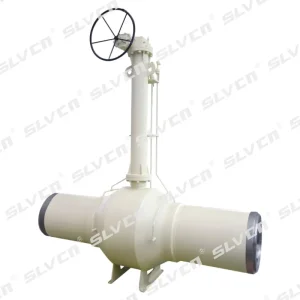
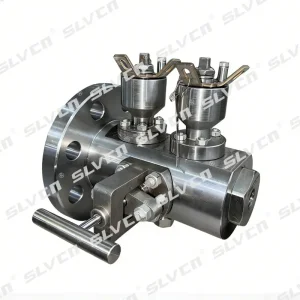
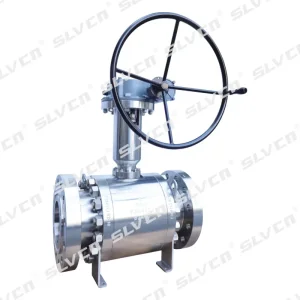
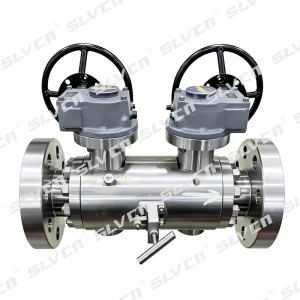
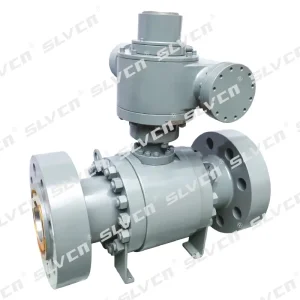
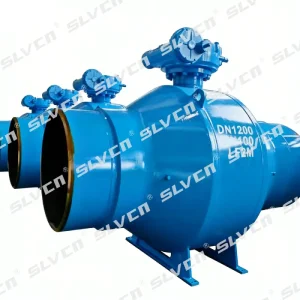
Quality is defined by the integrity of the material (ASTM grades), the precision of the trunnion-mounted design to reduce operating torque, the quality of soft seals vs. metal-to-metal seating, and the rigorous testing (API 6D/API 598) performed before shipping.
DBB valves provide two sealing surfaces that can be tested independently, ensuring absolute isolation in critical pipelines. They are essential for maintenance safety in oil and gas plants where leakage can be catastrophic.
Top-tier Chinese manufacturers now operate with full ISO 9001 compliance, CE marking, and specific API certifications. They maintain dedicated R&D departments to ensure compliance with international standards such as ASME B16.34 and API 6D.
While standard stock items ship quickly, custom-engineered valves (e.g., specific alloy, high-pressure actuation) typically require 4-8 weeks, depending on the complexity of casting/forging and pressure testing requirements.
 Shoulong Valve