Industry-leading valve designs for maximum reliability.
In-Line Maintenance & Operational Excellence for Global Infrastructure.
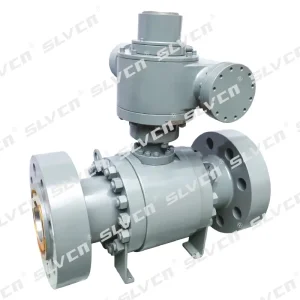
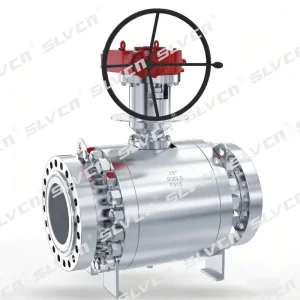
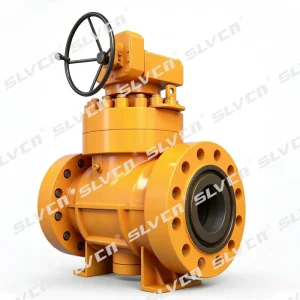
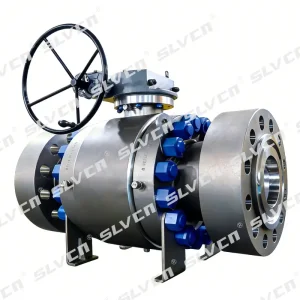
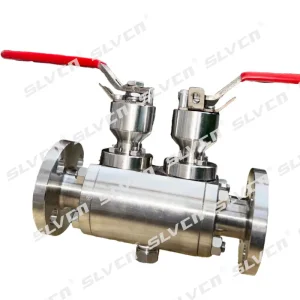
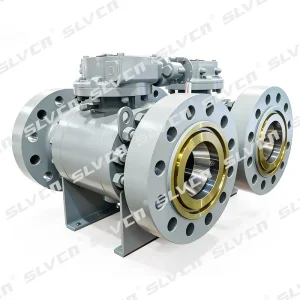
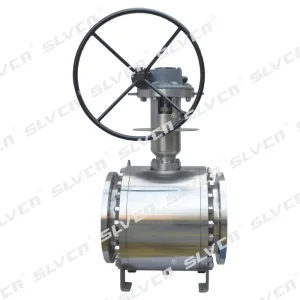
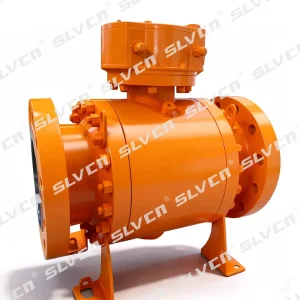
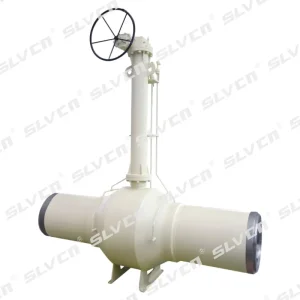
Unlike side-entry valves, the Top Entry Trunnion Mounted Ball Valve allows for internal component maintenance, seat replacement, and stem repair without removing the valve body from the pipeline. This drastically reduces downtime in critical midstream and downstream operations.
Designed with a one-piece forged body to eliminate potential leak paths. Our valves utilize Metal-to-Metal Seating with Tungsten Carbide or Stellite coatings, ensuring zero-leakage performance under high-pressure gas and abrasive media applications.
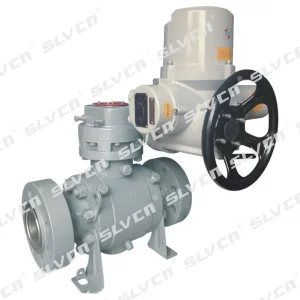
The trunnion mounting ensures the ball is fixed while the seats move, providing lower operating torque even at high differential pressures. This architecture is vital for automated systems using pneumatic or electric actuators.
As the global energy landscape shifts towards more complex recovery methods and cleaner energy alternatives, valve requirements have transcended "standard" specifications. SLVCN addresses these macro challenges with targeted engineering:

Adhering to non-negotiable safety standards across every continent.
Our OEM manufacturing process adheres to API 6D, ASME B16.34, API 608, and API 607 (Fire Safe). Every valve undergoes hydrostatic and air testing per API 598 or ISO 5208 before dispatch.
Compliance with ISO 15848-1 and API 622/641 ensures our valves meet the most stringent environmental regulations, preventing the escape of greenhouse gases into the atmosphere.
We provide localized engineering support through regional partners in Europe, the Middle East, and Southeast Asia, offering supervision during installation, commissioning, and preventive maintenance cycles.
Leading the way in valve digitalization and material science.
Integration of IoT sensors to monitor torque, cycle count, and leakage in real-time. We are developing Digital Twins for critical valves to predict failure points before they occur.
Research into Laser Cladding and High-Velocity Oxygen Fuel (HVOF) spraying to increase the lifespan of valve internals in abrasive slurry services by 300%.
Utilizing 3D metal printing for complex internal geometries and rapid prototyping of custom trim designs for specialized flow control requirements.
Valves ensure pipeline isolation and safe operation across upstream, midstream, and downstream systems, even under high-pressure conditions.
Valves maintain reliable sealing and stable operation in corrosive media and fluctuating temperatures.
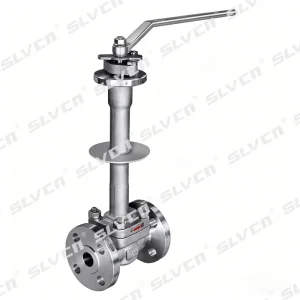
Valves deliver proven low-temperature performance, tight sealing, and safe pressure management for cryogenic systems.
Valves control steam and process flows in high-pressure, high-temperature environments for critical units.
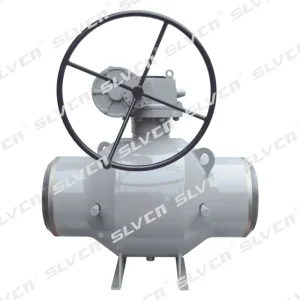
Valves offer excellent sealing integrity and safety design to prevent leakage under high-pressure conditions.
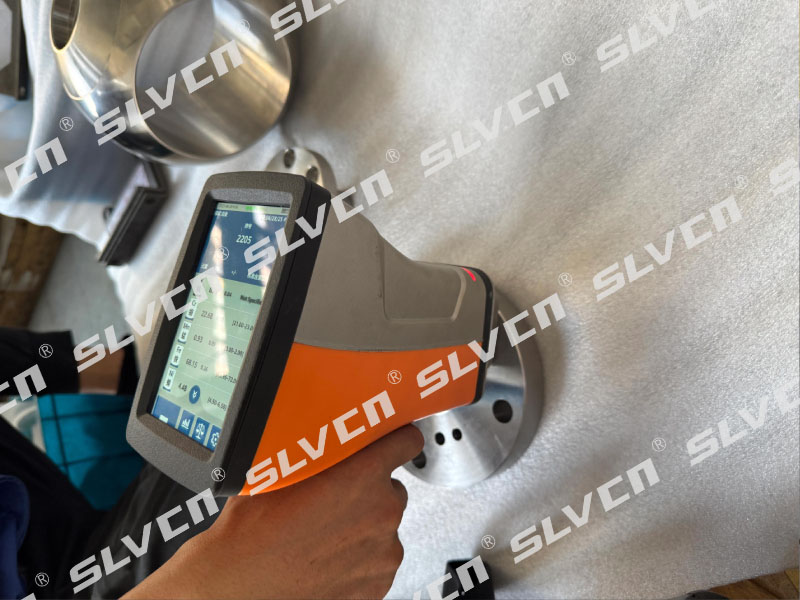
Verified Materials
Spectrographic analysis for all pressure-containing parts.
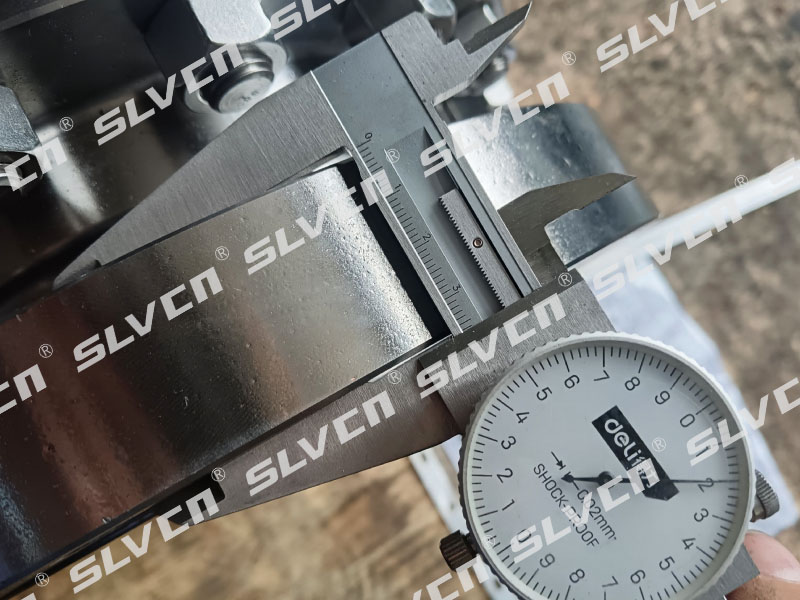
Precision Machining
CNC machining ensuring micron-level seat-to-ball tolerances.
Functional Testing
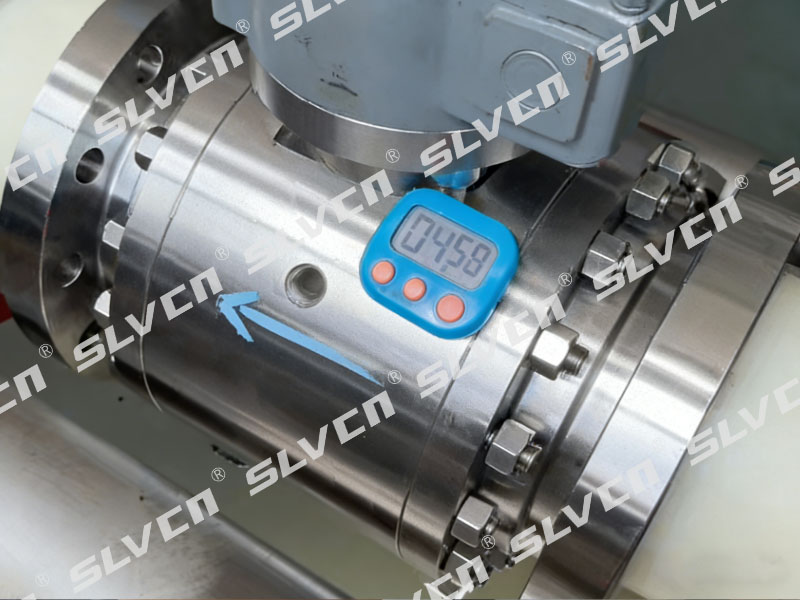
High-pressure gas testing and fire-safe validation.
The primary benefit is in-line repairability. Top entry valves allow the ball and seats to be removed from the top without disconnecting the valve from the pipeline. This is critical for large-diameter valves or those in buried or welded-in services where removal is costly and time-consuming.
Our valves are designed according to API 607 and API 6FA. In the event of a fire that destroys the soft primary seals, the secondary metal-to-metal seat makes contact with the ball to maintain shut-off and prevent external leakage through the stem and body joints.
We offer a wide range of materials including Carbon Steel (A105, WCB), Stainless Steel (316, 316L), Duplex and Super Duplex (F51, F53), and exotic alloys like Inconel 625 or Monel for highly corrosive service.
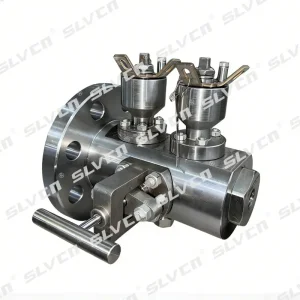
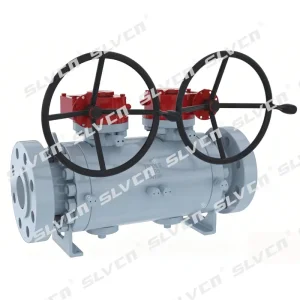
Yes. Our trunnion ball valves are inherently designed for DBB. Both upstream and downstream seats can independently block the pressure, allowing the body cavity to be bled or vented through a drain valve to verify seal integrity.
 Shoulong Valve