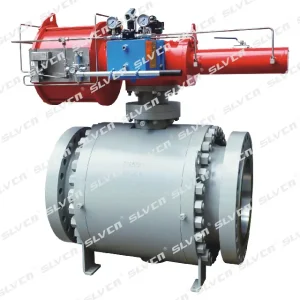
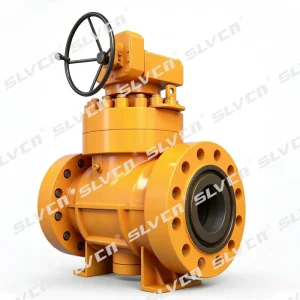
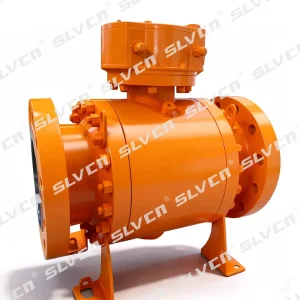
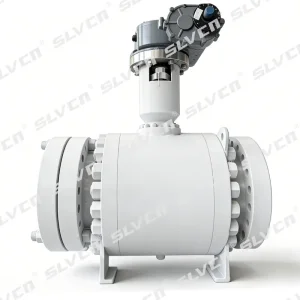
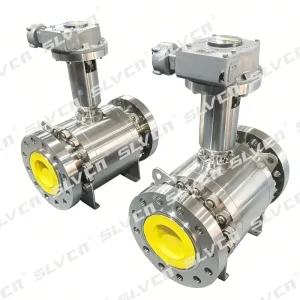
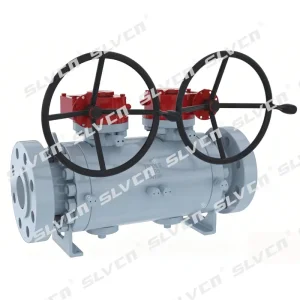
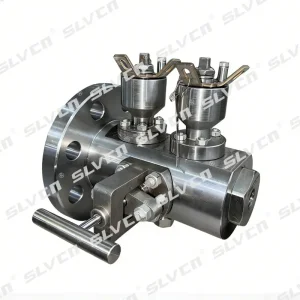
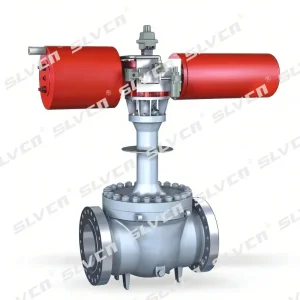
In the realm of industrial pipeline management, the Trunnion Mounted Ball Valve represents the gold standard for high-pressure, high-integrity service. Unlike floating ball valves, trunnion valves use mechanical anchoring (trunnions) at the top and bottom of the ball, ensuring the ball remains stationary under pressure. This critical design feature drastically reduces the torque required for operation and maintains a tight seal even in extreme service conditions.
The industry is currently pivoting toward Smart Actuation and Predictive Maintenance. Our R&D roadmap focuses on:
Why source from China? The Chinese industrial valve sector has matured into a global powerhouse, characterized by Vertical Integration. From raw material forging to advanced CNC precision machining and rigorous NDT (Non-Destructive Testing), our factories leverage high-volume efficiency without compromising on project-specific customization. This allows us to offer competitive lead times even for complex, large-diameter trunnion projects that require stringent API 6D and API 6A compliance.
Years Experience
Countries Served
Projects Delivered
Factory Facility
The global energy sector, particularly in LNG (Liquefied Natural Gas) and Hydrogen storage, demands valves that provide Zero-Leakage performance. Trunnion-mounted designs are no longer optional—they are a prerequisite for safety compliance in ESG-conscious industrial frameworks. Our commitment to global standards—including CE/PED, SIL3, and Fire-Safe certifications—ensures that our products seamlessly integrate into international EPC projects.
We understand that every region has unique regulatory frameworks. Whether it is CRN certification for Canadian markets, NORSOK standards for Norwegian offshore projects, or localized inspection services in the Middle East, our team provides the compliance documentation and on-site support necessary to ensure successful project commissioning.
A: Trunnion valves are superior for high-pressure and large-diameter applications. The ball is anchored at the top and bottom, reducing pressure on the seat and requiring lower operating torque.
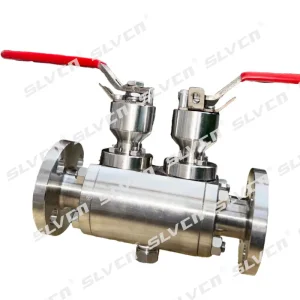
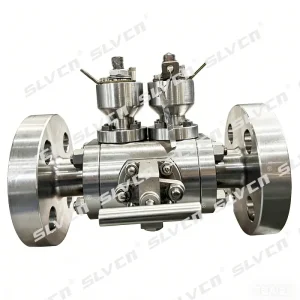
A: Yes, our catalog includes extensive DBB designs for critical isolation where preventing cross-contamination or leak verification is essential.
A: We employ full traceability from material certificate (MTR) through hydro-testing and NDT. Our products meet or exceed API, ASME, and ISO international benchmarks.
 Shoulong Valve