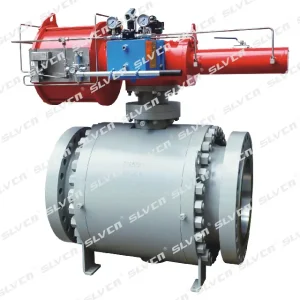
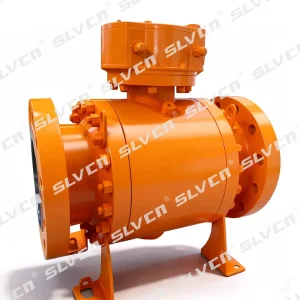
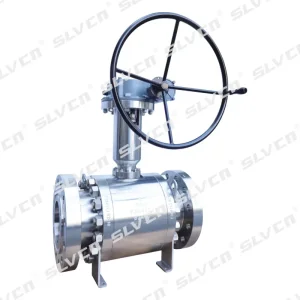
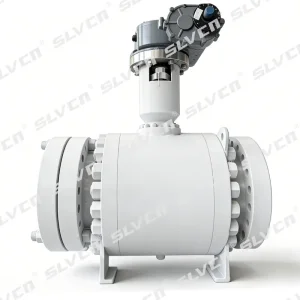
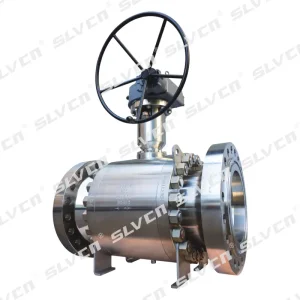
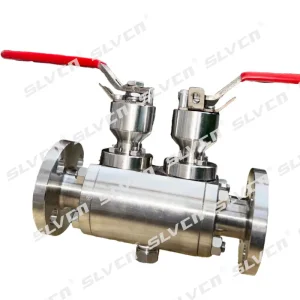
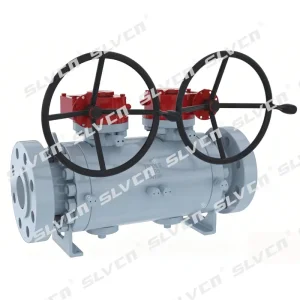
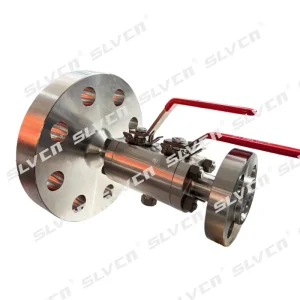
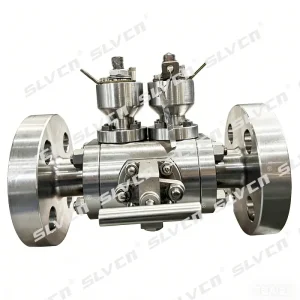
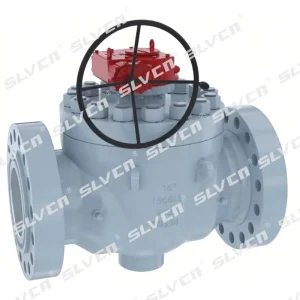
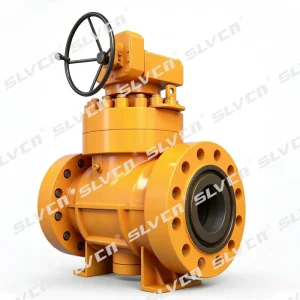
In the landscape of modern industrial infrastructure, the reliability of flow control systems is paramount. For Japanese industrial projects—renowned for their stringent adherence to safety, precision, and longevity—sourcing high-performance forged steel ball valves requires more than just a transaction; it demands a partnership based on shared engineering values and rigorous quality assurance.
Japan’s industrial sector, spanning from the petrochemical hubs in Chiba to the energy infrastructure in Hokkaido, operates under some of the world’s most demanding environmental and seismic conditions. Our commitment to providing forged steel ball valves to the Japanese market is anchored in our understanding of "Monozukuri"—the art of perfection in manufacturing. Japanese procurement managers prioritize:
When global enterprises source valves for Japanese projects, they face the challenge of information asymmetry. By utilizing advanced FEA (Finite Element Analysis) and CFD (Computational Fluid Dynamics), we provide our partners with technical dossiers that reduce risk. Our information gain approach involves providing not just a product, but a full lifecycle performance report, heat treatment certification, and material traceability back to the melt shop.
The future of flow control lies in intelligence and durability. Our R&D roadmap focuses on three pillars:
We are implementing digital tagging on all forged valve bodies, allowing Japanese maintenance teams to scan and retrieve real-time data on pressure, temperature, and maintenance history.
Advancements in Inconel-clad forging and Cobalt-based hardfacing for severe service conditions, ensuring our valves survive in high-corrosion, high-temperature environments.
A: Yes, we specialize in customizing our production to meet specific regional requirements, including JIS B2001 and other relevant Japanese industrial standards for valve design and pressure testing.
A: We provide dedicated multilingual engineering support and documentation, ensuring seamless communication with your local Japanese procurement and installation teams.
A: Absolutely. Our metallurgical team selects materials with low susceptibility to hydrogen embrittlement, combined with specialized sealing designs, making them ideal for the burgeoning hydrogen energy sector.
 Shoulong Valve