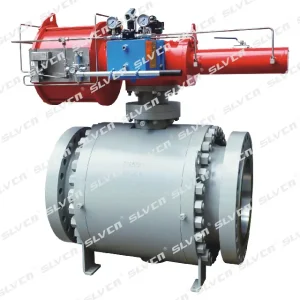
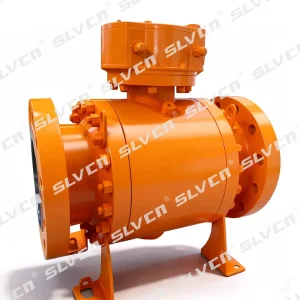
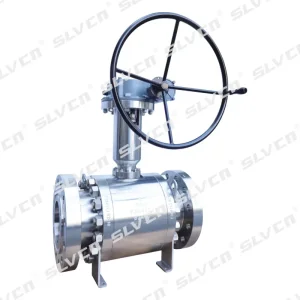
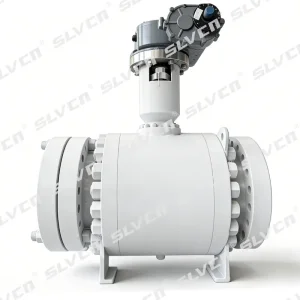
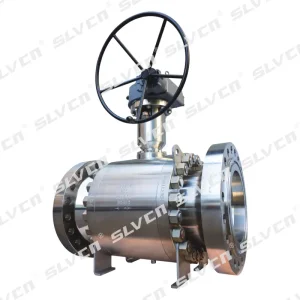
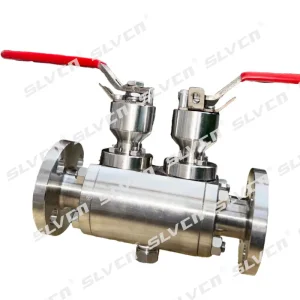
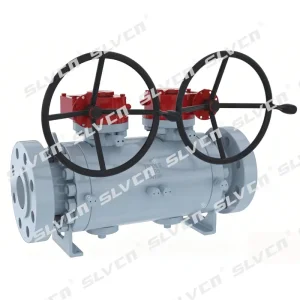
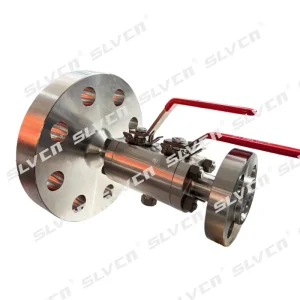
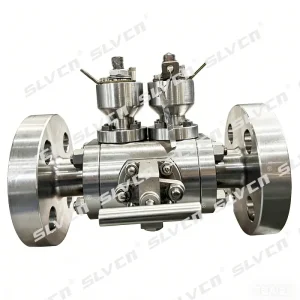
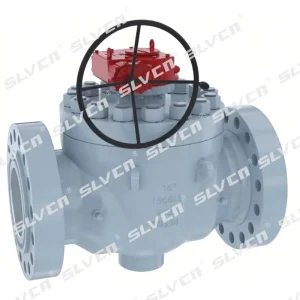
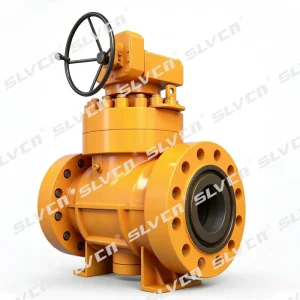
Singapore stands as a global hub for petrochemical, oil & gas, and energy transition industries. With infrastructure giants like those operating in Jurong Island and Tuas, the demand for high-integrity forged steel ball valves is critical. These industries cannot tolerate fugitive emissions or structural failures.
Forged steel ball valves offer superior structural integrity compared to cast alternatives, specifically addressing the requirements of high-pressure and high-temperature (HPHT) applications common in Singapore's refineries and subsea energy transport networks.
Chinese manufacturing has evolved from basic assembly to advanced, automated precision engineering. By leveraging state-of-the-art forging lines and rigorous API 6D/6A testing protocols, factories like ours provide a competitive advantage:
With Singapore's "Green Plan 2030," there is a massive pivot toward Hydrogen, LNG, and sustainable chemical processing. Our forged ball valves are engineered to support these transitions, featuring low-emission packing systems and cryogenically tested seats for LNG storage and hydrogen handling, reducing the carbon footprint of your industrial operations.
Forged steel provides a uniform grain structure, eliminating the porosity issues common in cast valves. In high-pressure environments like Jurong Island, this structural density is essential to prevent micro-leaks and ensure safety under extreme pressure surges.
Yes. Our valves are designed and manufactured in accordance with international standards (API 6D, ASME B16.34) which form the baseline for Singapore’s engineering specifications. We provide complete mill test reports (MTR) and material traceability documents.
We maintain an agile production schedule. Depending on the complexity and volume, typical production lead times for standard forged trunnion-mounted valves range from 4 to 8 weeks, with expedited shipping options via Singapore's major ports.
 Shoulong Valve