Mumbai, serving as the financial and commercial nerve center of India, is surrounded by critical industrial corridors, including the massive petrochemical hubs in Maharashtra and neighboring Gujarat. As the gateway for global trade via the Jawaharlal Nehru Port (JNPT), the demand for high-integrity forged steel ball valves in refineries, LNG terminals, and water desalination plants is escalating.
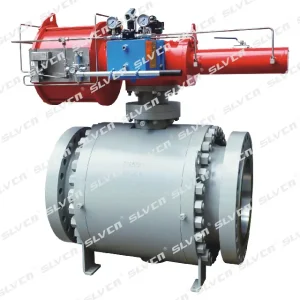
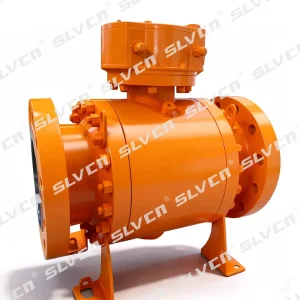
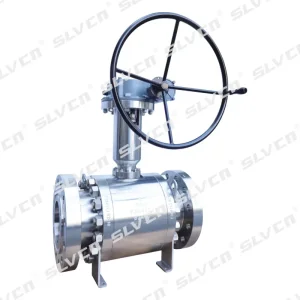
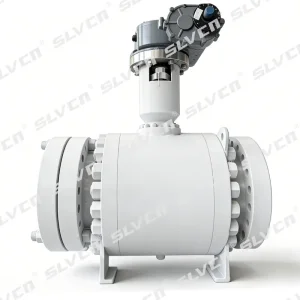
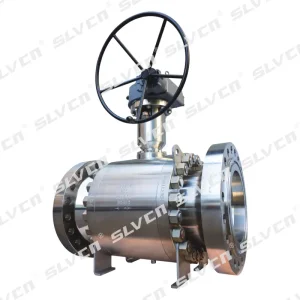
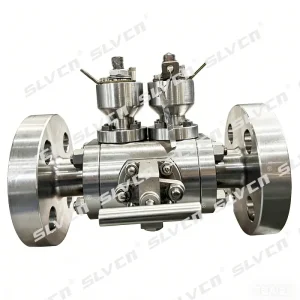
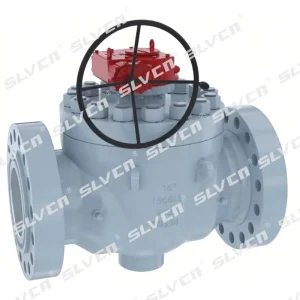
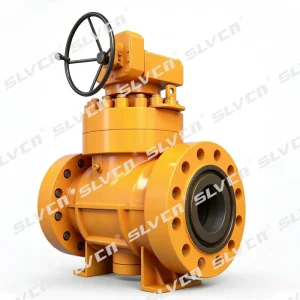
Unlike standard cast valves, Forged Steel Ball Valves provide superior mechanical strength and structural integrity, crucial for the high-pressure environments found in Mumbai’s downstream processing sectors. Our expertise lies in supplying valves that adhere to rigorous safety standards, specifically designed to withstand the corrosive coastal humidity and the demands of critical fluid control systems.
The manufacturing ecosystem in China offers an unparalleled balance of high-spec engineering and cost efficiency. For Indian procurement managers, our supply chain offers:
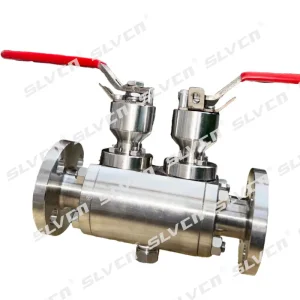
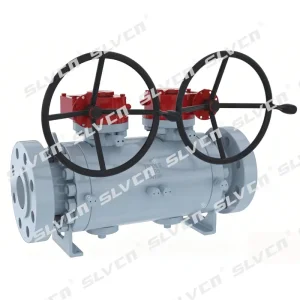
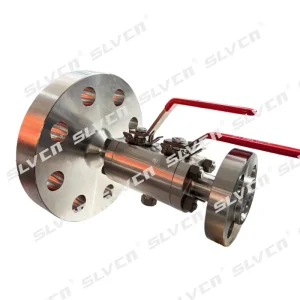
The future of valve technology for Mumbai's expanding Smart Cities and Energy sectors involves Double Block and Bleed (DBB) integration and IoT-enabled actuators. Our R&D team is focused on minimizing torque requirements while maximizing safety factors (Fire-safe API 607 compliance). We are currently pivoting towards lighter, high-performance alloys to assist Indian engineers in retrofitting aging refinery pipelines.
Q: Do you support technical certification requirements for Indian projects?
A: Yes. Our valves are manufactured according to API, ASME, and ISO standards, and we provide full MTC (Material Test Certificate) and third-party inspection support required for Indian procurement processes.
Q: What is the lead time for shipments to Mumbai?
A: We optimize production planning to ensure standard orders are ready for export within 4-6 weeks, with expedited shipping options via JNPT port for critical projects.
Q: Can you handle customized valves for severe service?
A: Absolutely. Our R&D engineering team specializes in tailoring seat materials (Stellite, Tungsten Carbide) and stem designs for high-pressure and abrasive media common in the petrochemical industry.
 Shoulong Valve