High-performance trunnion-mounted, cryogenic, fully welded, and double block & bleed ball valves verified for critical duties.
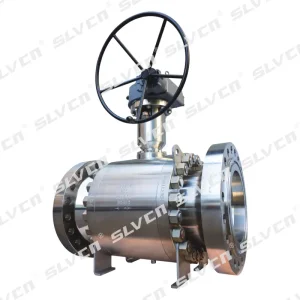
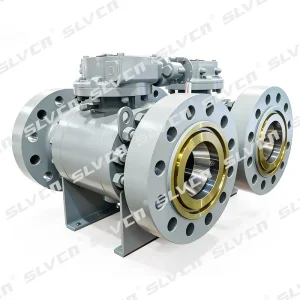
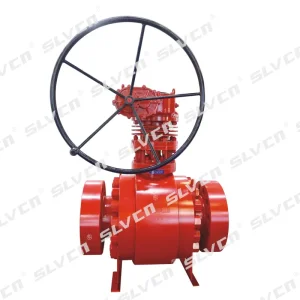
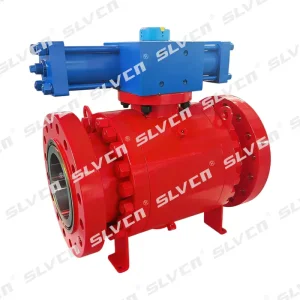
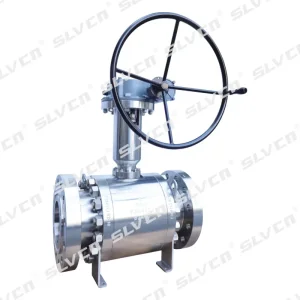
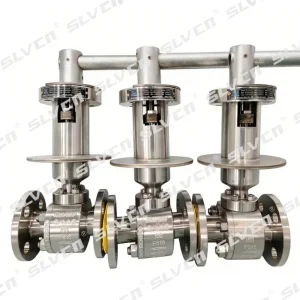
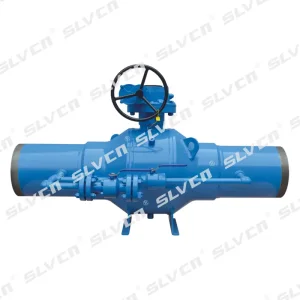
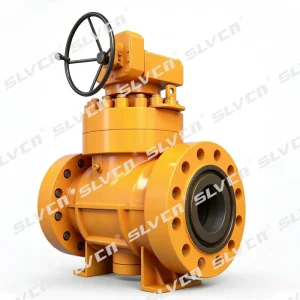
In modern process industries, pipeline security and absolute fluid control are non-negotiable. Modern factories and supply lines operate under extreme conditions, including cryogenic liquid transport (-196°C), severe cyclic high temperatures (up to 550°C), and ultra-high-pressure hydrocarbon processing (ASME Class 2500). Fluid dynamics and isolation systems have consequently moved away from off-the-shelf individual components toward integrated Ball Valve Kits.
A comprehensive ball valve kit comprises not only the primary pressure-containing valve body but also matches it with high-integrity actuation (pneumatic double-acting or spring-return actuators, heavy-duty electric actuators), multi-layer fugitive emission sealing systems, bypass lines, structural drains, and lockable safety devices. Designing and selecting these assemblies requires specialized material selection, engineering validation, and high-performance testing standards.
Depending on the system layout and chemical properties of the process medium, valve systems are classified into distinct sub-categories. Suppliers and engineering, procurement, and construction (EPC) contractors select these technologies based on detailed service envelopes:
Engineered to support global process plants, transmission pipelines, and energy conversion systems.
High-integrity piggable trunnion-mounted valves ensure absolute safety and isolation in both upstream extraction wells and cross-country natural gas transmission lines.
Specialized alloy configurations (Duplex, Super Duplex, Inconel, Monel) resist corrosive media and dynamic thermal stresses in critical hydrocarbon refineries.
Extended stem valves with customized bubble-tight sealing interfaces secure the storage, shipping, and regasification of liquefied natural gas down to cryogenic limits.
Steam isolation demands ultra-durable metal-seated valves. Our kits handle superheated steam bypass and isolation with structural class integrity up to ASME 2500.
Ensures high-volume flow and long-term corrosion resistance in high-pressure reverse osmosis water systems and municipal treatment hubs.
Engineered for tight molecule containment, low emission seal systems prevent hydrogen leakage and embrittlement, aiding future green transition networks.
To support design calculations and engineering reviews, suppliers provide deep documentation. Below is the typical baseline design comparison map utilized by mechanical designers when integrating customized valve configurations:
| Valve Type | Design Standards | Seat Material Options | Pressure Class Range | Primary Industrial Use Case |
|---|---|---|---|---|
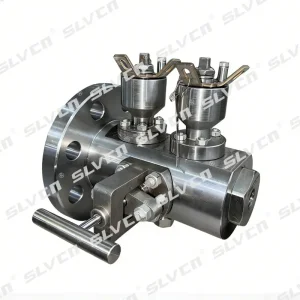
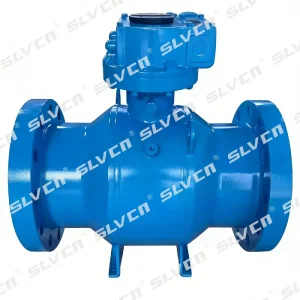
| Trunnion Mounted DBB | API 6D, ASME B16.34 | PTFE, Devlon, Metal-to-Metal | Class 150 – 2500 | Mainline Pipeline Isolation & Double Protection Isolation |
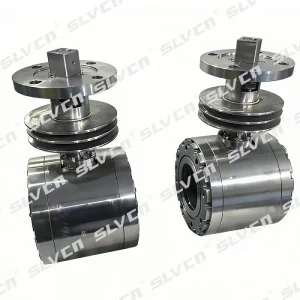
| Cryogenic Floating / Trunnion | BS 6364, ISO 28921 | PCTFE, TFM 1600, Metal Seat | Class 150 – 900 | LNG Tank Containment, Ethylene and Liquid Nitrogen Handling |
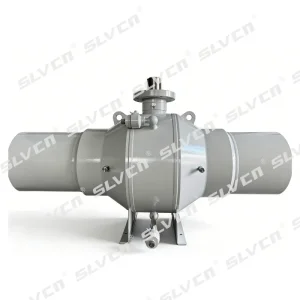
| Fully Welded Pipelines | API 6D, EN 14141 | Nylon, RPTFE, PEEK | Class 300 – 1500 | Underground Gas Transmission Lines, District Heating Systems |
| High-Temp Metal Seated | ASME B16.34, API 598 | Stellite 6, Chrome/Tungsten Carbide | Class 150 – 2500 | Catalytic Crackers, Slurry Lines, Power Station Bypass Lines |
A ball valve kit is only as robust as its materials. For forged components, utilizing high-quality source bars or ingots prevents internal cavity voids. Common structural body forgings include ASTM A105N (general carbon steel), ASTM A182 F316/F316L (stainless steel for corrosive duties), and ASTM A182 F51/F53 (Duplex and Super Duplex for offshore or desalination processes). For low-temperature applications, ASTM A350 LF2 and ASTM A182 F321 are chosen to prevent low-temperature brittle fractures.
Furthermore, internal sealing rings must maintain pressure integrity. Soft-seated options include Virgin PTFE, RPTFE (Reinforced PTFE), PEEK (Polyetheretherketone) for high-pressure durability, and Kel-F for low-temperature elasticity. In situations with sand, catalyst particles, or high temperatures, only hard metal-to-metal seating surfaces with specialized carbide coatings are recommended to prevent scouring and surface degradation.
With over 30 years of expertise in forging high-performance ball valves, SLVCN provides reliable, project-ready solutions for critical industrial applications. Our valves are rigorously engineered, tested, and certified to meet the strictest international standards, ensuring zero-leakage and dependable performance in harsh operating environments. Trusted by projects across Europe, the Middle East, and worldwide, we deliver the precision and reliability that demanding industrial systems require.
Every single product is manufactured and validated under strict testing protocols to guarantee field integrity.
All structural components, stems, and body forgings undergo rigorous raw chemical and mechanical verification, including NDT (Non-Destructive Testing) such as PT, UT, and MT examinations.
State-of-the-art CNC grinding machines achieve spherical tolerances on ball sphericity of within a few microns. This limits internal friction, stabilizes low operating torque, and guarantees tight seating.
Every kit is subjected to API 598 or API 6D pressure testing (low-pressure gas seat testing, high-pressure liquid shell testing, and fugitive emissions validation) before shipment.
Read latest technical articles and logistics dispatches regarding heavy-duty valves.
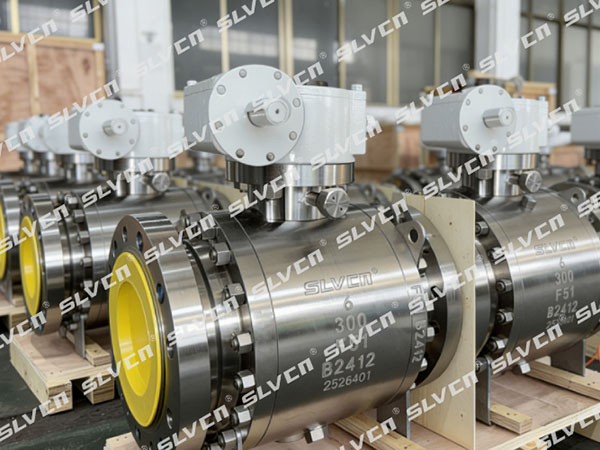
SLVCN is proud to announce the successful shipment of multiple 6" Class 300 RF forged trunnion-mounted ball valves engineered for regional gas pipelines...
READ MORE →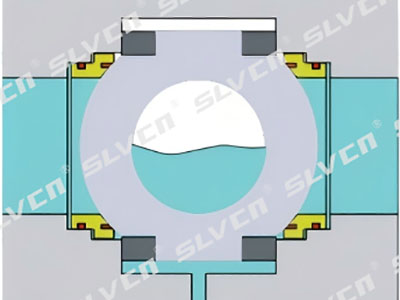
In high-stakes industries where safety and reliability are paramount - such as oil and gas, chemical processing, power plants, understanding Double Block and Bleed design is essential...
READ MORE →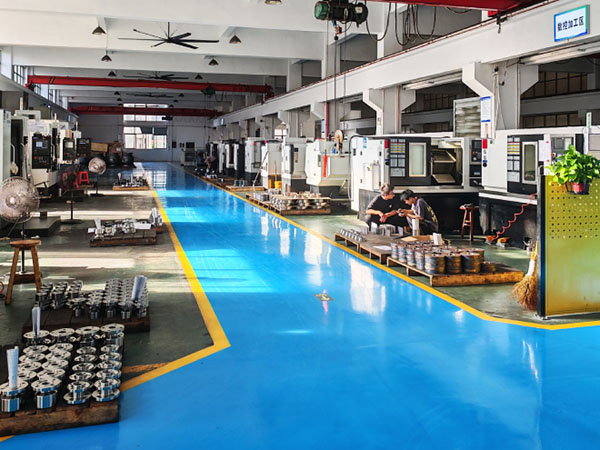
With over 30 years of experience, SLVCN designs and manufactures high-performance industrial valves for demanding international environments including Europe and the Middle East...
READ MORE →Answers to engineering design questions, material inquiries, and operational concerns.
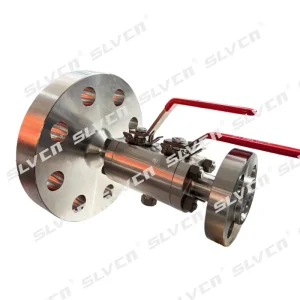
High-capacity valves, double block and bleed systems, and high-temperature options for process systems.
 Shoulong Valve