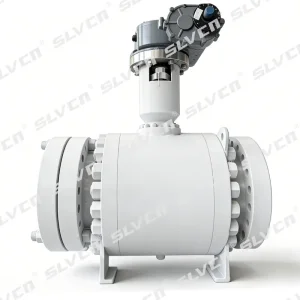
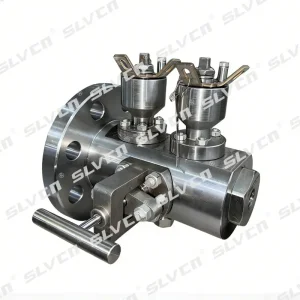
Engineered for Zero-Leakage Performance in Critical Pipelines
In the high-stakes world of fluid and gas management, the Double Isolation Valve (DIV), specifically Double Block and Bleed (DBB) and Double Isolation and Bleed (DIB) configurations, represents the pinnacle of safety engineering. As global industrial protocols transition toward "Zero Leakage" and "Maximum Operator Safety," understanding the nuances of these valves is no longer optional—it is a critical requirement for infrastructure integrity.
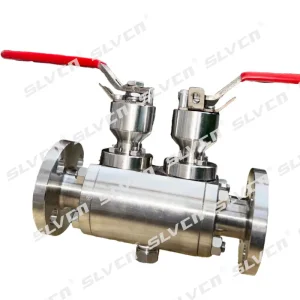
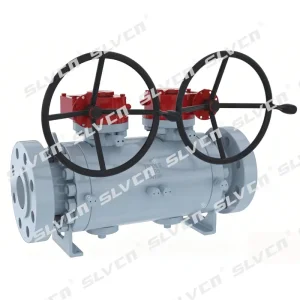
A Double Isolation Valve system essentially provides two independent seating surfaces which, when closed, provide a redundant seal against pressure from both ends of the valve. This design allows for the safe bleeding of the cavity between the seats, ensuring that downstream work can proceed without the risk of hazardous fluid bypass. For Double Isolation Valve factories, the challenge lies in maintaining micron-level tolerances while managing the stresses of high-pressure, high-temperature, and cryogenic environments.
Mapping the trajectory of high-performance valve manufacturing
Current industrial trends are heavily influenced by the move toward Hydrogen and Carbon Capture (CCUS). Double isolation is vital for managing volatile hydrogen molecules which are prone to leakage.
Modern factories are integrating digital twins and real-time pressure sensors within the DBB cavity to predict seal failure before it occurs, moving from reactive to predictive maintenance.
Usage of Super Duplex stainless steel and Inconel cladding has become the standard for offshore and high-salinity environments, extending valve lifecycle by 300%.
OSHA and international API 6D standards are increasingly mandating double isolation for "Confined Space Entry" protocols, driving massive demand for integrated DBB units over traditional multi-valve manifolds.
Years Engineering Expertise
Countries Served Globally
Major Industrial Clients
Tolerance for Leakage
Traditional ball valves relied on simple elastomeric seals. Future roadmaps for Double Isolation Valve factories involve "Metal-to-Metal" seating technology using Tungsten Carbide Coating (TCC). This allows for bubble-tight shutoff even in abrasive media like sand-laden crude oil or high-temperature steam.
Hydrogen molecules are the smallest in nature, making fugitive emissions a major risk. Leading factories are now implementing ISO 15848-1 certified stem sealing systems. The roadmap includes testing valves at 700 bar pressures to ensure that double isolation remains effective in the burgeoning green energy sector.
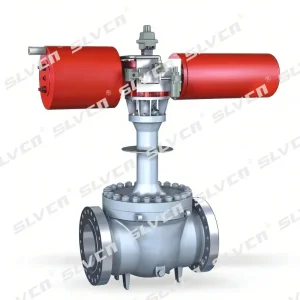
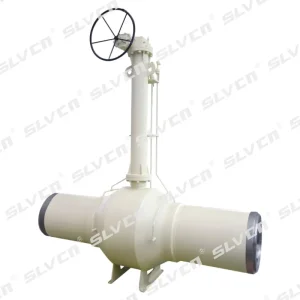
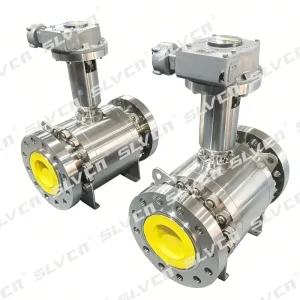
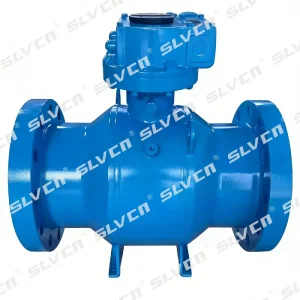
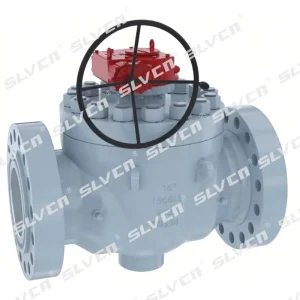
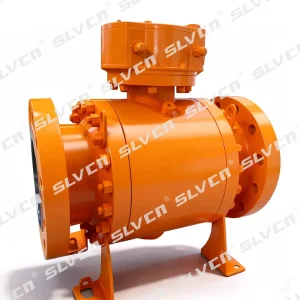
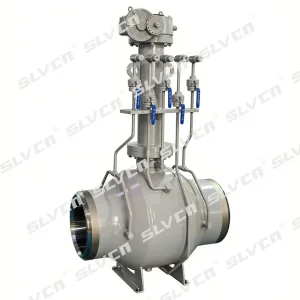
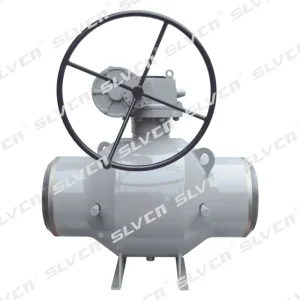
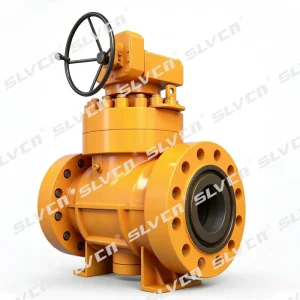
For buried pipelines, the move is toward Fully Welded DBB Trunnion Mounted Ball Valves. These minimize external leak paths. Conversely, for offshore platforms where space is premium and maintenance is difficult, Top-Entry DBB Valves allow for internal component replacement without removing the valve from the line.
Solving Complex Engineering Challenges Across Diverse Geographies
Focus: High Sand Content & Corrosive H2S. Solution: Metal-seated DBB valves with specialized debris-resistant seat designs to prevent scoring during operation.
Focus: Low-Temperature Brittle Fracture. Solution: LCC/LCB forged bodies tested at -196°C to ensure structural integrity in permafrost regions.
Focus: Saline Humidity & Rapid Thermal Cycling. Solution: Stainless Steel 316/316L dual-rated valves with ISO 5211 automation platforms for high-frequency switching.
A High-Quality Double Isolation Valve Factory does not just sell components; it provides system-wide safety solutions. In petrochemical plants, the integration of DBB valves reduces the physical footprint of the piping system by up to 60%. By replacing a traditional "Two Valve + Spool" setup with a single DBB unit, engineers eliminate multiple flanged connections—the most common points of leakage.
Furthermore, from a macro-economic perspective, the use of certified Double Isolation Valves significantly lowers insurance premiums for high-risk facilities. By providing a verifiable "Double Barrier," plant operators can prove compliance with international safety protocols during third-party audits.
Every valve is a testament to 30 years of forging excellence
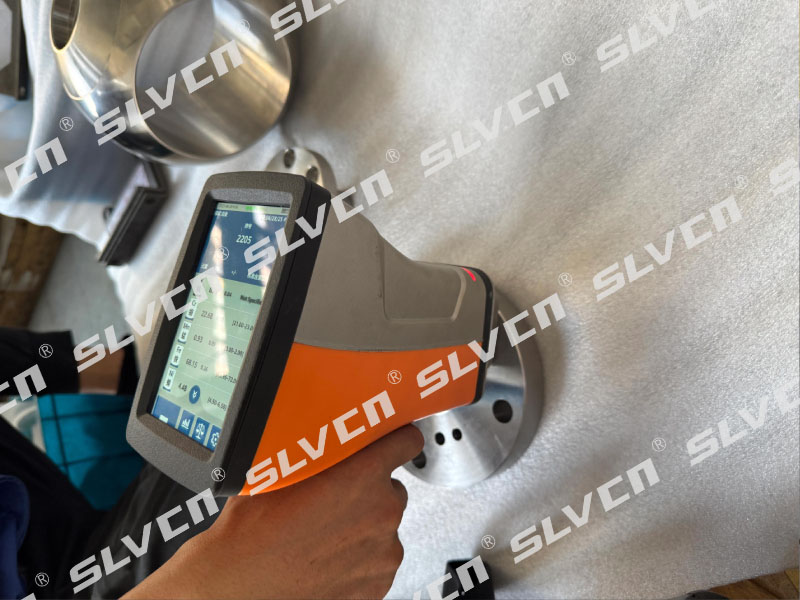
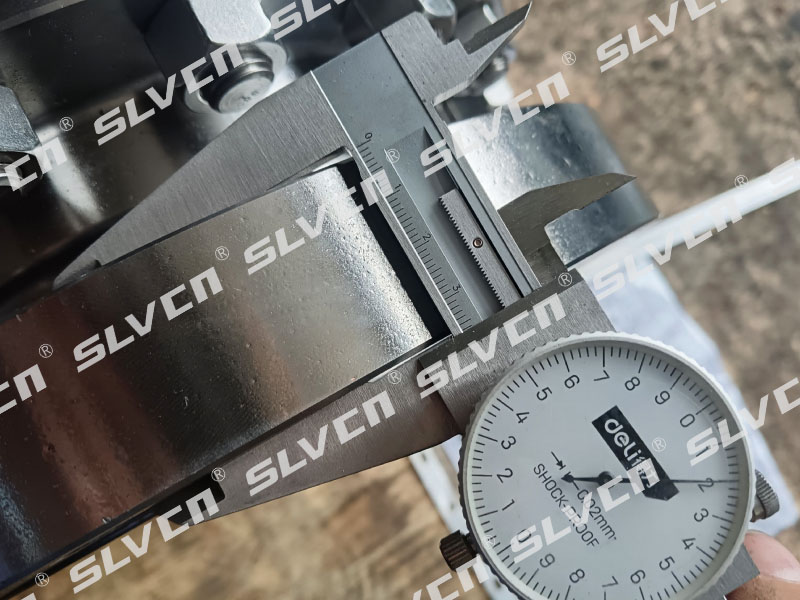
Deepening User Intent through Semantic Search Optimization
Industry-Leading Solutions for Oil, Gas, and Power Generation
 Shoulong Valve