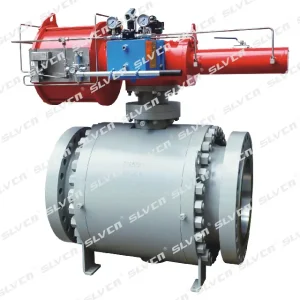
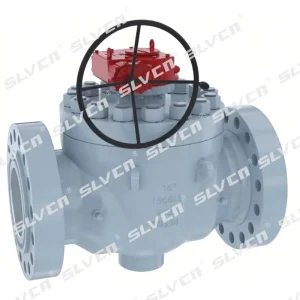
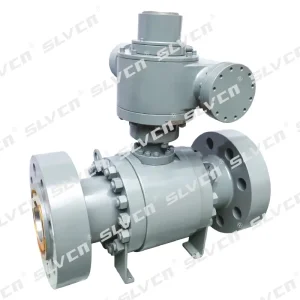
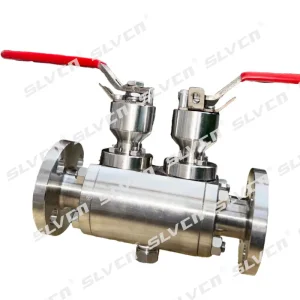
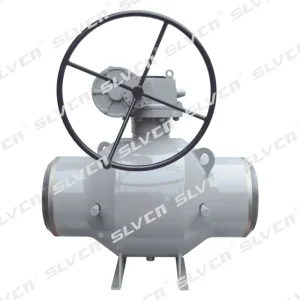
In the modern energy landscape, the procurement of Isolation Ball Valves is no longer just a commodity transaction—it is a critical engineering decision. As global demand for high-integrity piping systems increases, particularly in the oil, gas, and petrochemical sectors, international project managers are increasingly looking towards China’s advanced manufacturing ecosystem. However, navigating this market requires deep technical expertise in E-E-A-T (Experience, Expertise, Authoritativeness, and Trustworthiness).
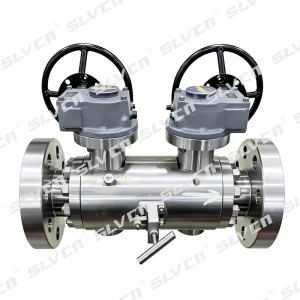
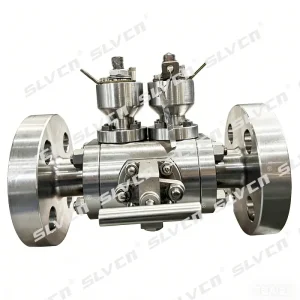
Isolation valves, especially Double Block and Bleed (DBB) configurations, serve as the last line of defense in protecting personnel and infrastructure. When sourcing from China, the focus must shift from lowest cost to lifecycle value—balancing metallurgical integrity, machining precision, and regulatory compliance (API 6D, ISO 14313, CE/PED).
From cryogenic LNG terminals to high-temperature superheated steam lines, we provide specialized isolation valves engineered for extreme duty cycles and hazardous environments.
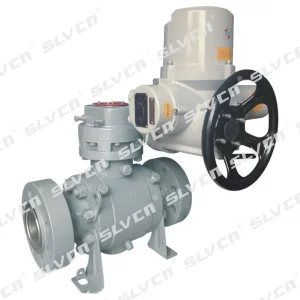
We are pioneering the integration of IoT-ready actuation, predictive seal-wear diagnostics, and advanced metal-to-metal seating technologies to extend maintenance intervals.
Full document traceability (MTRs), PMI testing, and NDE certification ensure our valves meet the stringent audit requirements of international EPCs and National Oil Companies (NOCs).
The next decade of valve manufacturing is defined by the convergence of Material Science and Smart Diagnostics. As isolation valves are buried in pipelines or installed in remote, inaccessible offshore sites, "zero-leakage" is not a target—it is the baseline.
Traditional mechanical isolation is evolving. Our R&D roadmap focuses on:
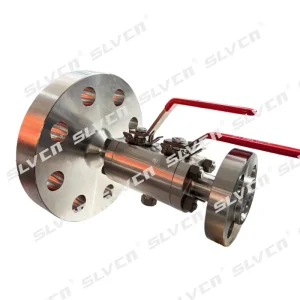
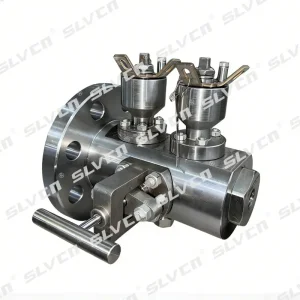
A DBB valve provides two seating surfaces and a bleed path in between. This allows for positive proof of isolation—if you bleed the cavity and nothing comes out, you have a verified, pressure-tight seal. It is essential for maintenance safety in hazardous media.
Leading Chinese manufacturers leverage ISO 9001, API 6D, and CE/PED certifications. By utilizing third-party inspections (TPI) from agencies like SGS, BV, or TUV during fabrication, and demanding full Material Test Reports (MTR), international buyers can ensure the steel chemistry and forging quality meet ASTM or ASME standards.
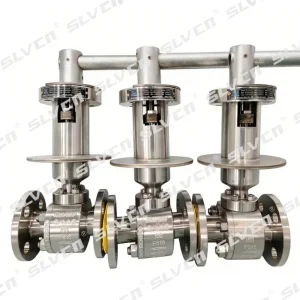
Cryogenic valves require extended bonnets to isolate the stem packing from extreme cold, preventing the lubricant from freezing and locking the stem. Materials like LCC, LC3, or Stainless Steel F316 are mandatory to maintain fracture toughness at temperatures as low as -196°C.
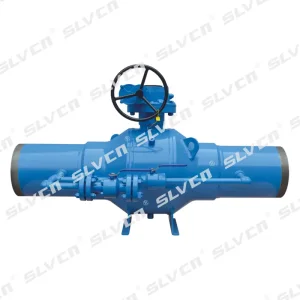
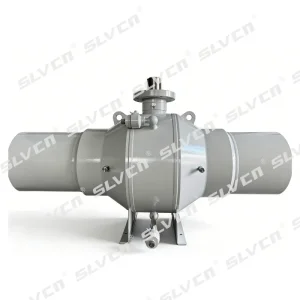
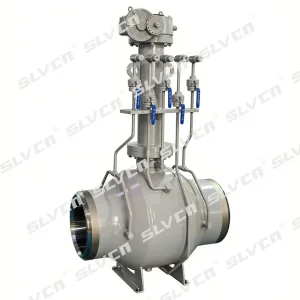
Fully welded trunnion-mounted valves eliminate body-to-flange leak paths. They are ideal for buried underground service where periodic maintenance is impossible, offering the highest level of structural integrity and safety for gas transmission pipelines.
 Shoulong Valve