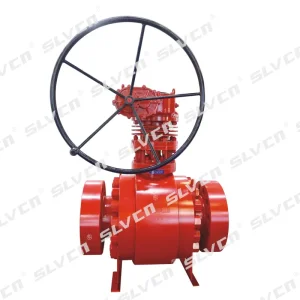
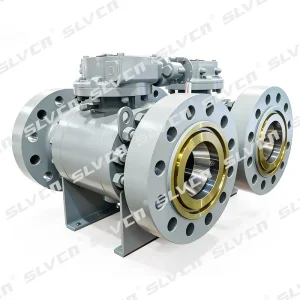
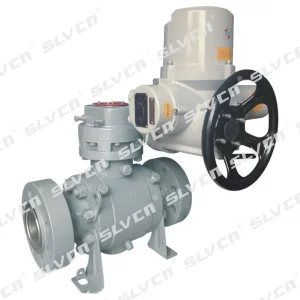
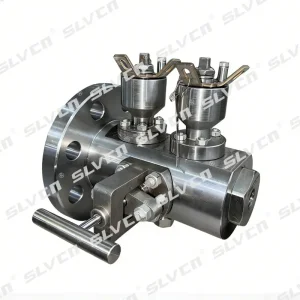
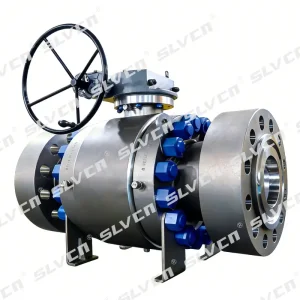
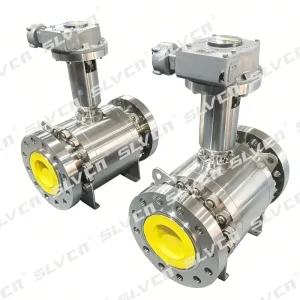
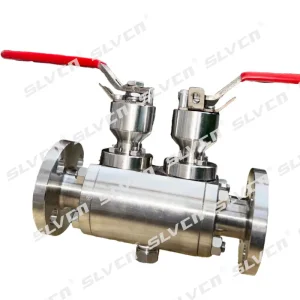
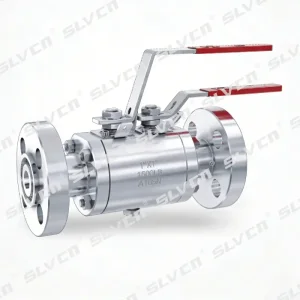
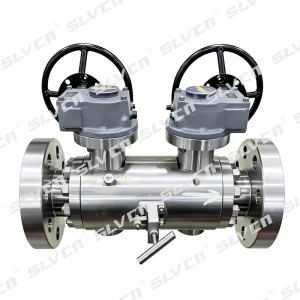
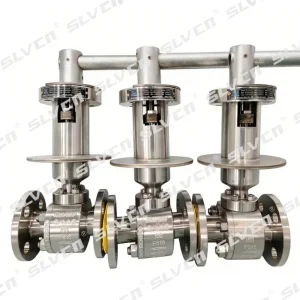
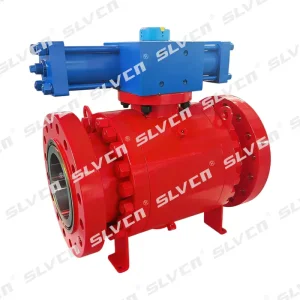
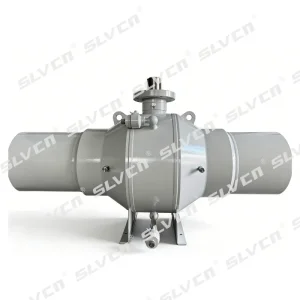
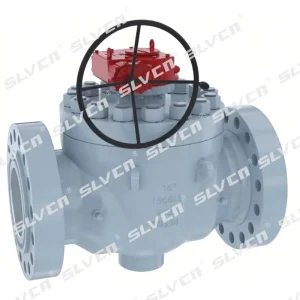
In the landscape of industrial flow control, SS304 (Stainless Steel Grade 304) stands as the most versatile and widely utilized material for ball valves. Known for its excellent corrosion resistance and mechanical strength, SS304 is the preferred choice for general-purpose, petrochemical, and water treatment applications. Understanding the "Why" behind OEM manufacturing of these components provides critical insights for procurement professionals.
SS304 is an austenitic stainless steel containing 18% chromium and 8% nickel. This composition provides exceptional resistance to atmospheric corrosion and moderate chemicals. In an industrial valve context, choosing an OEM factory that specializes in SS304 ensures that you are receiving products that adhere to strict pressure-temperature ratings. Unlike inferior materials, authentic SS304 ensures longevity, reducing the total cost of ownership (TCO) for pipeline infrastructure.
China has evolved into a global powerhouse for valve manufacturing, shifting from simple fabrication to high-precision engineering. By collaborating with specialized OEM SS304 ball valve factories in China, global enterprises benefit from:
The valve industry is currently undergoing a digital transformation. Trends such as Smart Valve Integration (IOT-enabled valves) and Green Manufacturing are at the forefront. Procurement managers are no longer just looking for a product; they are looking for a partner that offers "Lifecycle Solutions." This includes customized coating technologies (e.g., QPQ, Stellite hard facing) and valve automation packages (Pneumatic/Electric actuators) that are seamlessly integrated at the factory level.
When sourcing from OEM factories, "Information Gain" is your competitive edge. Don't just ask for a quote; evaluate the factory based on:
A: SS304 is ideal for water, air, and non-corrosive liquids. SS316, which contains molybdenum, is superior in environments involving chlorides, salt water, or highly corrosive acids. Choosing the right material grade is essential to prevent premature valve failure.
A: OEM manufacturers offer better customization, lower costs by removing the middleman, direct access to technical support, and the ability to handle large-scale volume production with consistent quality standards.
A: Always verify if the factory has third-party inspection certifications, ask for factory site video tours, check for in-house testing equipment (spectrometers, pressure testers), and request samples for critical testing before bulk ordering.
A: Yes. High-pressure ball valves require specific wall thicknesses and seal designs. Our engineering team specializes in high-pressure applications and can provide FEA (Finite Element Analysis) reports for customized designs.
 Shoulong Valve