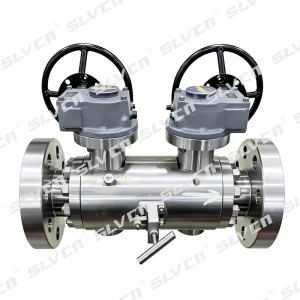
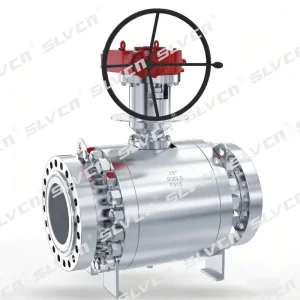
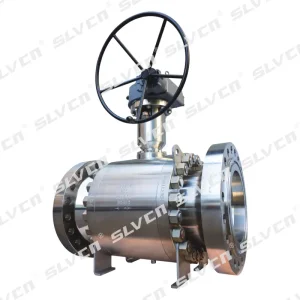
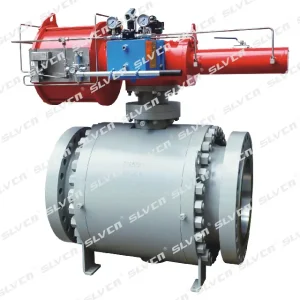
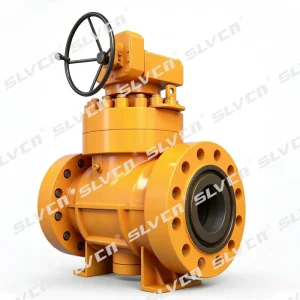
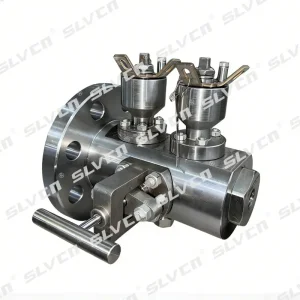
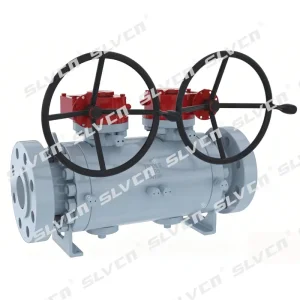
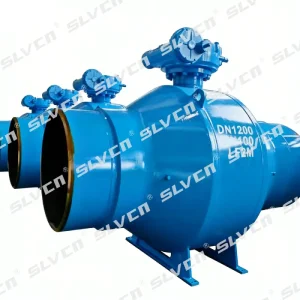
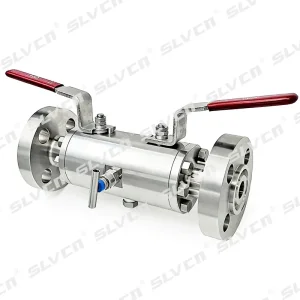
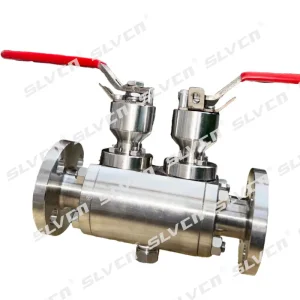
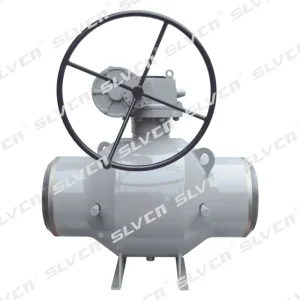
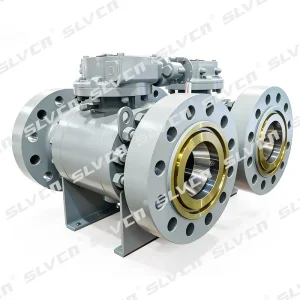
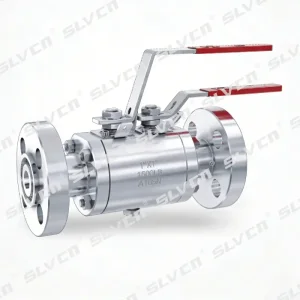
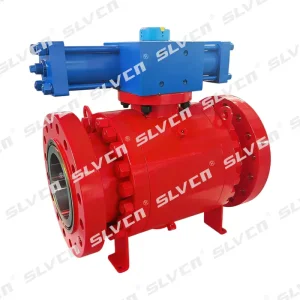
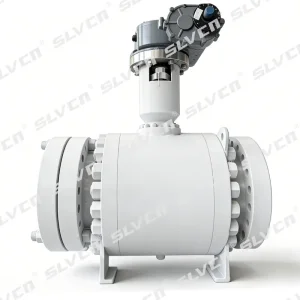
In the contemporary energy landscape, the requirement for Double Block and Bleed (DBB) ball valves has surged. Procurement managers from Fortune 500 energy companies are increasingly looking towards China for high-integrity DBB valve solutions. Why? It is not merely about cost efficiency; it is about vertical integration. Chinese manufacturers have evolved into Tier-1 suppliers, utilizing advanced forging techniques, automated precision machining, and rigorous API 6D testing protocols.
Successful procurement in this sector requires a deep understanding of Total Cost of Ownership (TCO). A valve that fails in a midstream pipeline can cost millions in downtime. Therefore, our expert guidance focuses on identifying factories that utilize third-party inspections (TPI), offer full material traceability (MTR), and comply with international fire-safe standards like API 607.
Integrating IIoT sensors directly into DBB valves for real-time condition monitoring, predictive maintenance, and leakage detection.
Developing superior alloys for extreme cryogenic (-196°C) and high-temperature (up to 550°C) applications in green hydrogen and LNG.
Focusing on fugitive emission standards (ISO 15848) to align with global net-zero commitments and environmental regulations.
Navigating global compliance is the cornerstone of our service model. We ensure every DBB valve supplied meets regional certification requirements:
A: Double Block and Bleed provides two sealing surfaces and a bleed path between them. This allows the operator to verify that both seals are holding pressure, providing an extra layer of safety for maintenance and operational continuity.
A: Our engineering teams review your P&ID (Piping and Instrumentation Diagram) and technical data sheets. We offer modular designs, custom actuators, and specific coating technologies (ENP, Stellite, Carbide) tailored to your media properties.
A: Lead times depend on forging availability and specific testing requirements. However, our optimized manufacturing throughput usually allows for competitive delivery schedules, often faster than traditional western lead times without compromising quality.
 Shoulong Valve