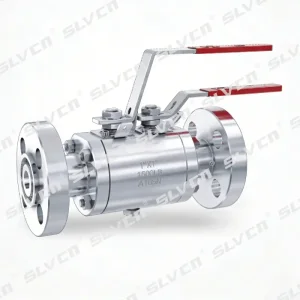
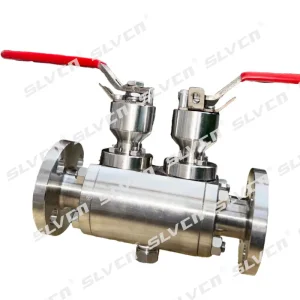
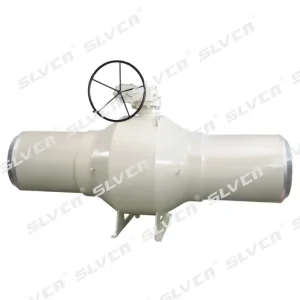
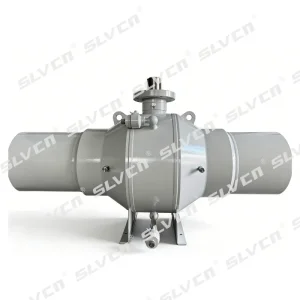
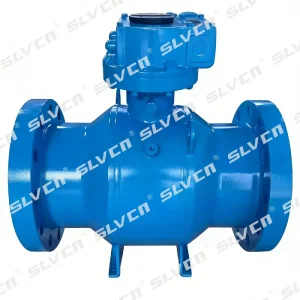
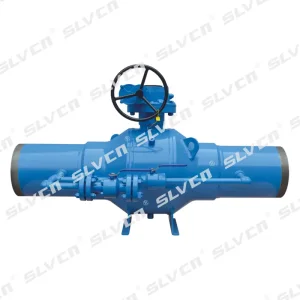
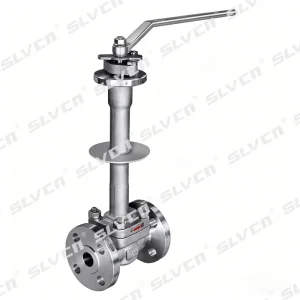
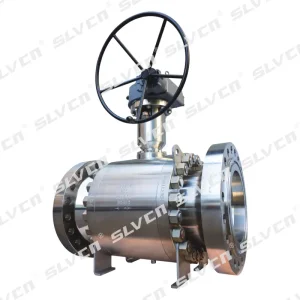
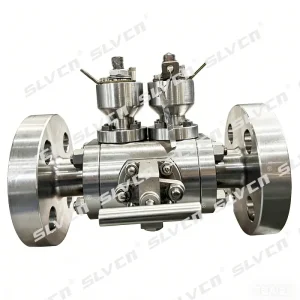
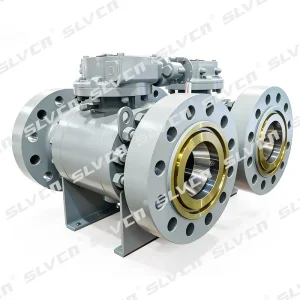
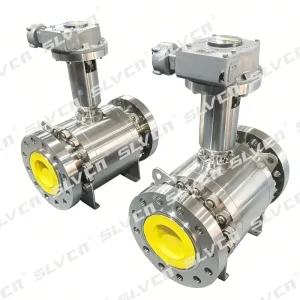
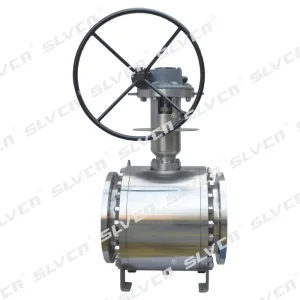
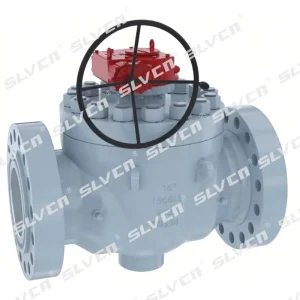
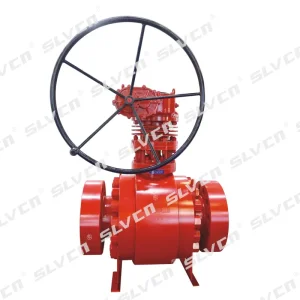
The global demand for industrial safety, particularly in the oil, gas, and chemical sectors, has catalyzed the evolution of Double Block & Bleed (DBB) ball valve technology. As an OEM leader, we recognize that the future of valve manufacturing lies in predictive maintenance, material science, and automation. Our technical roadmap focuses on transitionary energy solutions, including hydrogen compatibility and carbon capture (CCUS) infrastructure. We are integrating IoT sensors into our DBB designs to provide real-time monitoring of seat integrity, allowing operators to preemptively manage fugitive emissions before they escalate into compliance violations.
Our macro-industry solutions bridge the gap between heavy-duty mechanical engineering and modern digital operational efficiency. Whether for deep-sea extraction or high-pressure LNG terminals, our valves are engineered to withstand extreme thermal fluctuations and high-velocity abrasive media.
By leveraging Industry 4.0 principles, we have transformed traditional manufacturing into a data-driven ecosystem. Our "China Factory 4.0" initiative utilizes automated precision CNC machining, robotic welding stations, and AI-powered quality control systems. This ensures that every DBB valve leaving our facility meets global tolerances with zero deviation. By digitalizing our supply chain, we offer clients unprecedented transparency, real-time production tracking, and a level of scalability that allows us to fulfill large-scale global projects with shortened lead times while maintaining strict cost-efficiency.
Navigating international procurement requires more than just high-quality hardware; it requires a deep understanding of local compliance and regulatory landscapes. We provide localized support, adhering to API 6D, ISO 5211, and ASME standards. Our dedicated global service team ensures that whether you are in the Middle East, Europe, or the Americas, you receive comprehensive documentation, material traceability, and on-site technical consultation. We bridge the distance between Chinese manufacturing prowess and global site requirements.
 Shoulong Valve